Standing in the adhesives aisle, it’s tempting to grab whatever says waterproof and move on. More protection has to be better, surely?
Not always. Waterproof glues often cost more, and some foam or expand as they cure, which means extra clamping and clean-up. For a bookshelf in the lounge room, that’s effort with no payoff. For a garden bench that sits through a Queensland wet season, though, it’s the difference between a joint that lasts and one that lets go by autumn.
Three questions settle it. Answer them honestly and the right glue becomes obvious.
What the Labels Actually Mean
Wood glue labels use two terms that sound alike but aren’t. Water resistant means the cured glue handles some moisture without failing. Waterproof means it copes with repeated or prolonged soaking.
Many PVA wood glues are rated on the European D-scale, which runs from D1 to D4. D1 is for dry indoor use. D2 handles occasional moisture. D3 covers frequent short-term contact with water and high humidity, plus outdoor items sheltered from the weather. D4 is for long-term exposure, including outdoor use with a protective finish.
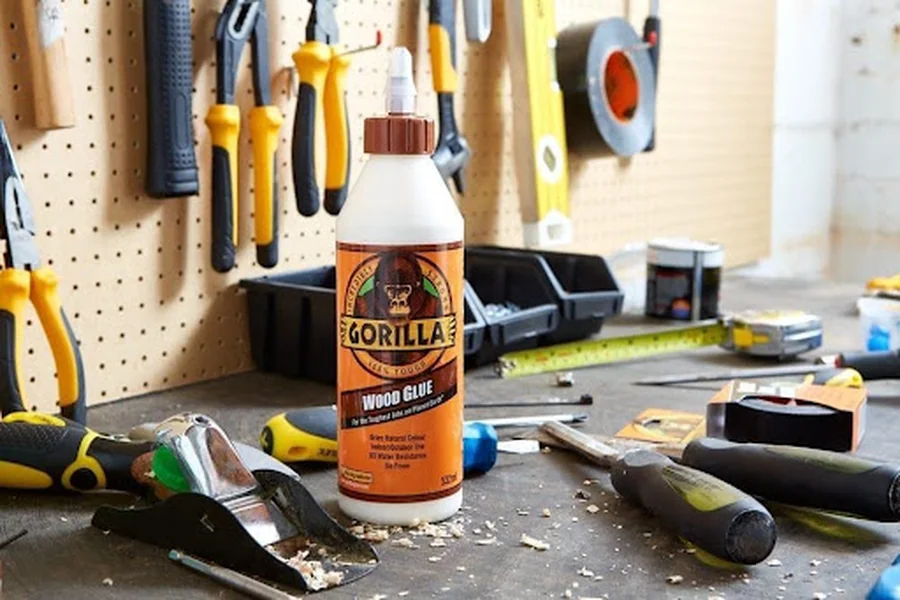
Gorilla Wood Glue, for instance, is a PVA rated D3 and sold for indoor and outdoor use. That rating tells you far more than the word “outdoor” printed on a bottle.
Ask Where the Project Will Live
Location is the first filter. Indoor furniture in a dry room, picture frames, drawer boxes and most craft projects never see enough water to trouble a standard PVA.
Bathrooms, laundries and kitchens sit in the middle. Steam from a shower and splashes beside a sink are short-term exposure, which is exactly what D3 is built for. A timber bathroom shelf or a kitchen spice rack belongs here.
Outside is where it gets interesting, because “outdoors” covers a huge range. A potting bench under a covered verandah is a very different job from a raised garden bed packed with wet soil.
Heat is worth a thought here as well. Gorilla Wood Glue holds once cured between -18°C and 66°C, which suits most sheltered spots around an Australian home. A dark-stained bench baking in full western sun all afternoon is pushing harder against those limits than one tucked under the eaves, so placement is part of the decision too.
Ask How Long Water Will Sit on the Joint
Most people skip this question. It matters more than the others. Rain that runs off a painted fence picket in a few minutes is short-term exposure. Water that pools in the joint of an outdoor table, or soil that stays damp against a planter box for months, is long-term exposure.
Try picturing the joint after a week of rain. If it dries out between showers, a D3 glue on a well-sealed project will generally hold up fine. If it stays wet, or sits in standing water or soil, go fully waterproof.
Coastal homes deserve a mention. Salt air and constant humidity keep timber damp for longer than inland conditions do, so if you live near the beach, lean towards the stronger option.
Ask What Else the Glue Has to Do
Water isn’t the only factor. A standard PVA is made for wood, cork and cardboard, so it won’t bond timber to metal or stone. A polyurethane glue such as Gorilla Glue Original is waterproof and sticks to a long list of materials. It also expands as it sets, which helps on uneven surfaces and stubborn end-grain joints. The catch is that it needs a little moisture on the surface to activate, and that expansion means firm clamping and some trimming of cured foam afterwards.
Gaps are the other issue. PVA wants tight joints, so an outdoor repair with gaps you can’t close is better suited to epoxy, which fills while it bonds.
A rundown of the different types of wood glue shows where PVA, polyurethane, epoxy and super glue each fit. Handy to have open before an outdoor build.
Putting the Decision Together
So, do you need waterproof wood glue? For indoor and sheltered projects, almost certainly not. A good D3 PVA covers furniture, shelving, bathroom pieces and covered outdoor items. It dries a natural colour, too, and wipes up with a damp cloth while still wet.
If you want a quick shortcut, run the three questions in order. Dry room? Standard PVA. Damp now and then, or sheltered outside? A D3 PVA. Wet for long stretches, in soil, or joining wood to something that isn’t wood? That’s polyurethane or epoxy territory.
Save waterproof glue for joints that will stay wet, sit in soil or face full weather with no shelter. And whichever you choose, seal the finished piece. Paint, oil or varnish keeps water out of the timber itself, and no glue can rescue a joint once the wood around it has swollen and split.