
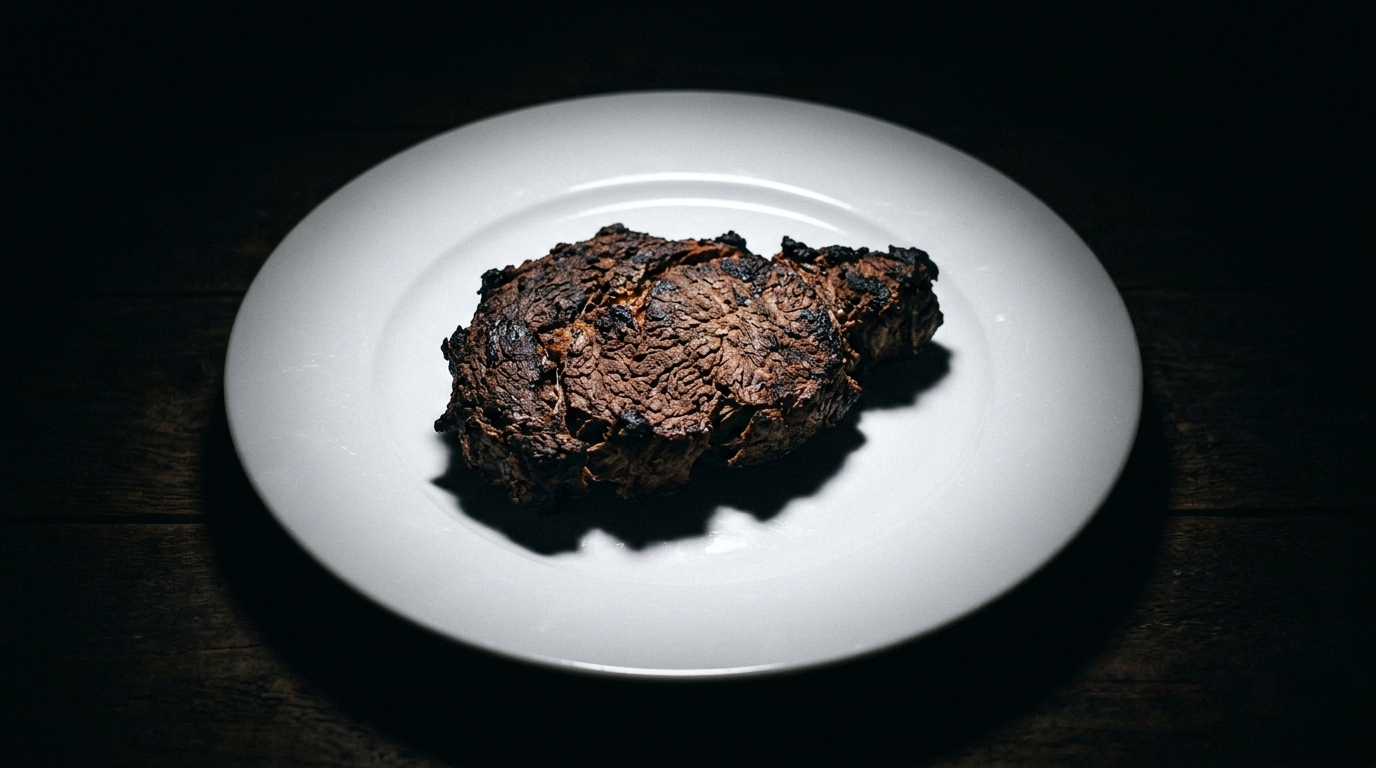
Even experienced home cooks fall into certain habits that quietly undermine their results. Small missteps in technique or preparation can be the difference between a mediocre meal and a genuinely delicious one. Here are some of the most common cooking mistakes and simple adjustments that can make a noticeable difference in your cooking.
Preparation Mistakes
Not Reading the Recipe Fully First
Jumping into cooking without reading through the entire recipe often leads to surprises, like discovering a step requires marinating time you don’t have. Reading through completely before starting helps you plan accordingly.
Skipping Mise en Place
Failing to prep and measure ingredients before you start cooking can lead to rushed, uneven results, especially in recipes where timing matters. Having everything measured and ready beforehand keeps the cooking process smoother.
Using Dull Knives
A dull knife is not only less efficient, it’s actually more dangerous than a sharp one, since it requires more force and is more likely to slip. Keeping knives properly sharpened improves both safety and precision.
Heat and Cooking Mistakes
Overcrowding the Pan
Adding too much food to a pan at once lowers the temperature and traps steam, leading to soggy, unevenly cooked results instead of a proper sear. Cooking in batches when necessary yields much better texture.
Not Preheating Properly
Adding food to a pan or oven before it’s fully preheated often results in uneven cooking or food sticking unnecessarily. Taking the extra few minutes to preheat properly makes a noticeable difference.
Constantly Moving Food Around
Flipping or stirring food too frequently, especially when searing meat, prevents proper browning from developing. Allowing food to cook undisturbed for the recommended time creates better flavor and texture.
Seasoning Mistakes
Under-Seasoning Throughout Cooking
Adding all your salt at the end, rather than seasoning in stages throughout cooking, often results in a less balanced, flatter-tasting dish. Seasoning as you go allows flavors to develop more fully.
Not Tasting as You Cook
Failing to taste and adjust throughout the cooking process means missing opportunities to correct seasoning before it’s too late. Regular tasting helps you catch and fix issues along the way.
Forgetting Acid and Balance
Dishes that taste flat often just need a splash of acid, like lemon juice or vinegar, to brighten flavors and create better balance, rather than needing more salt or seasoning.
Meat and Protein Mistakes
Cooking Meat Straight from the Fridge
Cold meat added directly to a hot pan cooks unevenly, often resulting in an overcooked exterior and undercooked center. Letting meat come closer to room temperature before cooking helps it cook more evenly.
Not Letting Meat Rest
Cutting into meat immediately after cooking allows juices to escape, resulting in a drier final product. Letting meat rest for several minutes before slicing helps retain moisture.
Overcooking Due to Guesswork
Relying solely on visual cues rather than a meat thermometer often leads to overcooked or unevenly cooked proteins. Using a thermometer takes the guesswork out of achieving the right doneness.
Final Thoughts
Many common cooking mistakes come down to small, easily correctable habits rather than a lack of skill. By slowing down during preparation, managing heat properly, seasoning thoughtfully throughout the process, and using tools like a meat thermometer, home cooks can significantly improve their results without needing advanced techniques, just a bit more attention to the fundamentals.