Home window tinting can improve indoor comfort, privacy and energy efficiency. Window films help regulate indoor temperatures, reduce glare and protect furnishings from harmful ultraviolet (UV) rays. For homeowners considering home window tinting in the Hills District, understanding these benefits can help them choose a suitable solution for their property.
Temperature Control and Energy Efficiency
One of the main benefits of window tinting is its ability to reduce solar heat entering a home. During warmer months, window films help limit heat gain, keeping indoor spaces cooler and reducing the need for air conditioning.
Some window films also provide insulation benefits by helping reduce heat transfer through windows. This can contribute to more stable indoor temperatures throughout the year. By reducing the demand for heating and cooling systems, window tinting may also help lower household energy costs.
Reduced Glare for Everyday Comfort
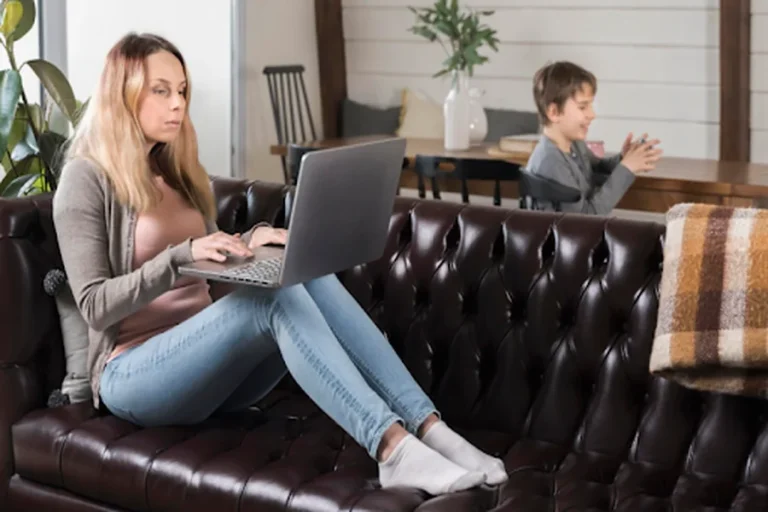
Excessive sunlight can create glare on television screens, computers and other reflective surfaces. This can make everyday activities such as reading, watching television and working from home less comfortable.
Window films help reduce glare while still allowing natural light into the property. This creates a more comfortable indoor environment without requiring homeowners to keep their curtains or blinds closed throughout the day.
Protection from Harmful UV Rays
Ultraviolet rays from sunlight can contribute to skin damage and cause household furnishings to fade over time. Prolonged exposure can affect furniture, carpets, flooring, curtains and artwork.
Many window films block up to 99% of harmful UV rays, depending on the product selected. This helps reduce UV exposure inside the home while protecting interior materials from premature fading and deterioration.
Improved Privacy Without Blocking Natural Light
Window tinting can provide additional privacy, particularly for homes with windows facing streets, neighbouring properties or shared outdoor spaces.
Homeowners can choose from reflective, frosted and darker window films depending on their requirements. These options can limit visibility from outside while allowing natural light to enter the home. However, the level of privacy provided depends on the film type and lighting conditions, as some reflective films offer less privacy at night when indoor lights are switched on.
Added Safety and Security
Window films can also improve household safety by helping hold broken glass together if a window is accidentally damaged. This reduces the likelihood of glass fragments scattering across the surrounding area and causing injuries.
Certain safety and security films are designed to provide additional resistance against impact. Although they do not make windows unbreakable, they can make it more difficult for glass to shatter completely, providing an additional layer of protection for occupants and household belongings.
Aesthetic Improvements
Window tinting can complement a property’s existing design. With different shades, colours and finishes available, homeowners can select films that suit their windows and architectural style.
Some films provide a subtle appearance, while others create a darker or frosted finish. These options allow homeowners to improve the appearance of their windows while gaining practical benefits such as glare reduction and increased privacy.
Long-Term Savings and Environmental Benefits
Although window tinting requires an initial investment, it can provide long-term savings through reduced energy consumption. By limiting solar heat gain, suitable window films can reduce the workload of air conditioning systems during warmer periods.
Lower energy consumption can also help reduce a household’s carbon footprint. This makes window tinting a practical consideration for homeowners looking to improve energy efficiency and adopt more sustainable household practices.
Window films can also help extend the lifespan of interior furnishings by reducing UV exposure. These combined benefits may make window tinting a worthwhile addition to a home improvement project.
Modern Window Film Technology
Advancements in window film technology have introduced products with different performance features. Modern options include ceramic, metallic and other specialised films designed to improve heat rejection, UV protection and light transmission.
Ceramic films, for example, can reduce solar heat without relying on a highly reflective appearance. Other films may focus on privacy, glare control or additional glass protection.
The most suitable option depends on the property’s window type, orientation and specific requirements. Comparing available products can help homeowners select a film that provides the desired balance of performance and appearance.
Customisation and Maintenance
Window films are available in various shades, thicknesses and finishes, allowing homeowners to choose products based on their needs. Some prioritise heat reduction, while others focus on privacy, safety or UV protection.
Once professionally installed, most window films require relatively little maintenance. Regular cleaning with a soft cloth and suitable glass cleaner helps maintain their appearance. Homeowners should follow the manufacturer’s cleaning recommendations to avoid damaging the film.
The lifespan of window tinting depends on the product quality, installation method and exposure to sunlight. Choosing a suitable film and ensuring proper installation can help maintain its performance over time.
Professional Installation for Better Results
Professional installation plays an important role in the performance and appearance of window films. Experienced installers can assess the windows, recommend suitable products and apply the film correctly.
Proper installation helps prevent common issues such as air bubbles, creases and uneven application. It also ensures that the selected film is compatible with the existing glass, reducing the risk of problems caused by unsuitable products.
Homeowners should consider the type of glass, window condition and intended use before choosing a film. Professional advice can help identify an appropriate solution for each area of the property.
Conclusion
Home window tinting offers several practical benefits, including improved temperature control, reduced glare, UV protection and increased privacy. It can also contribute to energy efficiency, interior protection and household safety.
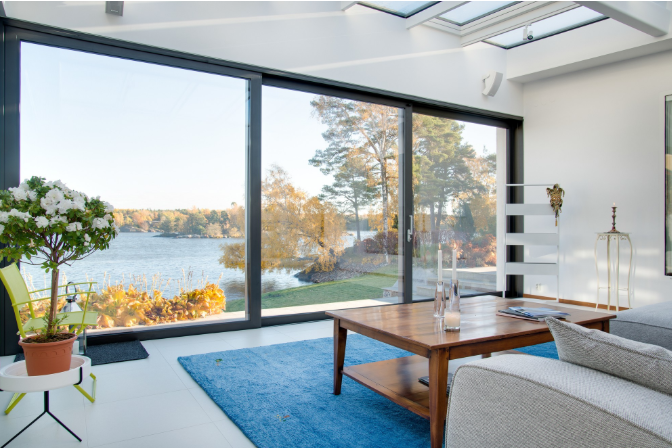
By considering the available film types and choosing professional installation, homeowners can improve indoor comfort while maintaining natural light and outdoor views. These features make window tinting a useful option for properties seeking greater comfort and efficiency.