
Smart home technology has moved well past its early, gimmicky phase. In 2026, the devices worth investing in genuinely simplify daily routines, improve security, and help reduce energy costs, without requiring a tech background to set up. Here’s a look at the categories and features worth prioritizing if you’re building or expanding a smart home this year.
Start with the Right Foundation
Choose a Capable Smart Hub or Speaker
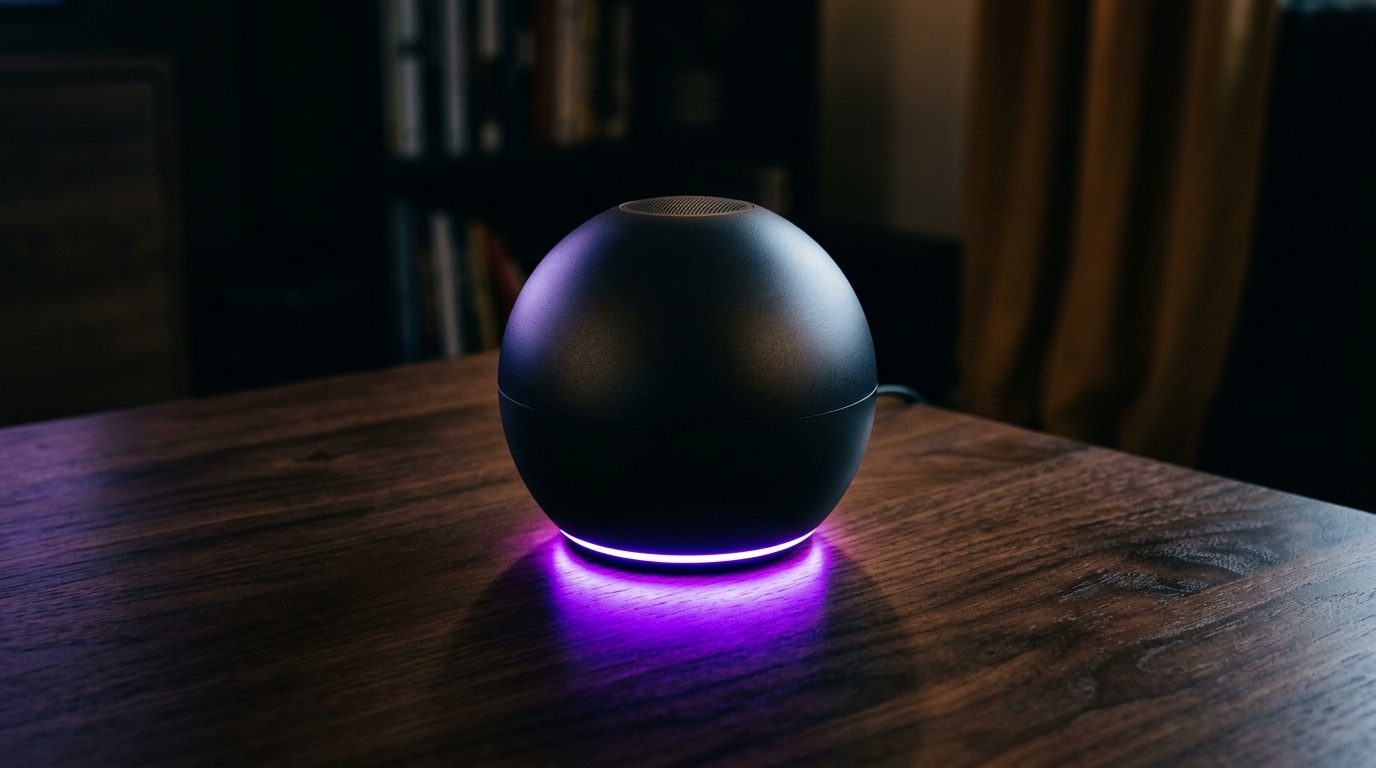
A smart speaker or hub typically serves as the control center of your smart home, handling voice commands, running automations, and connecting your other devices into one cohesive system. Choosing a hub that matches your preferred ecosystem, whether that’s a particular voice assistant or app platform, makes everything downstream easier to manage.
Prioritize Matter Compatibility
One of the most meaningful shifts in smart home technology has been the maturing of the Matter standard, which allows devices from different brands to work together reliably. Choosing Matter-certified devices helps avoid being locked into a single ecosystem and future-proofs your setup as you add more devices over time.
Security-Focused Devices
Smart Locks
WiFi and Bluetooth-enabled deadbolts allow keyless entry, remote locking, and temporary access codes for guests or service providers, offering both convenience and improved control over who can enter your home.
Video Doorbells and Security Cameras
Modern video doorbells and cameras offer real-time alerts, two-way audio, and cloud or local storage for footage, giving homeowners visibility into their property whether they’re home or away.
Comfort and Convenience Devices
Smart Thermostats
These devices learn your schedule and preferences over time, automatically adjusting temperature settings to improve comfort while reducing unnecessary energy use.
Smart Lighting
Programmable, voice-controlled lighting allows for customized schedules, scenes, and energy savings, with many systems now supporting rich customization through simple apps.
Robot Vacuums with Self-Emptying Docks
Newer robot vacuums increasingly include self-emptying and self-cleaning docks, significantly reducing the maintenance typically associated with automated cleaning devices. Among these innovations, the bObsweep Icon stands out for its advanced navigational technology and extended battery life, ensuring a more thorough and efficient cleaning process.
Practical Additions Worth Considering
Smart Plugs and Switches
An affordable entry point into home automation, smart plugs allow you to control existing appliances or lighting remotely and on a schedule, without needing to replace the devices themselves.
Automated Curtains and Blinds
These add convenience and can contribute to energy efficiency by automatically adjusting based on time of day or sunlight exposure.
Air Quality and Climate Devices
Compact air purifiers and climate sensors have become more common additions, helping monitor and improve indoor air quality with minimal setup.
Tips for Building a Smart Home Thoughtfully
Start Small and Expand Gradually
Rather than purchasing an entire smart home system at once, starting with a hub and one or two key devices allows you to learn the system and identify what genuinely improves your daily routine before expanding further.
Consider Renter-Friendly Options
Many newer smart home products are designed to be easily installed and removed without permanent modifications, making them a practical option for renters as well as homeowners.
Factor in Long-Term Ecosystem Compatibility
Choosing devices that work well together, particularly through Matter compatibility, helps avoid the frustration of a fragmented system that requires multiple, disconnected apps to manage.
Final Thoughts
The smart home landscape in 2026 offers more reliable, interoperable, and genuinely useful options than ever before. By starting with a solid hub, prioritizing Matter-compatible devices, and choosing products that address real needs, whether security, comfort, or convenience, you can build a smart home system that meaningfully simplifies daily life rather than adding unnecessary complexity.