
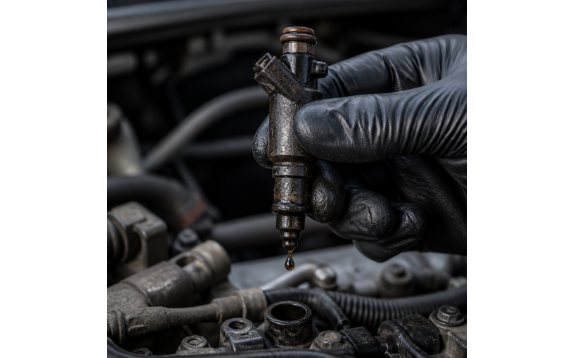
Your vehicle’s fuel injectors are among the most precise components in the entire engine system. Engineered to deliver microscopic bursts of fuel at exact intervals, they operate under intense pressure and heat every time you turn the key. Yet despite their critical role, fuel injectors are frequently overlooked during routine maintenance — and that neglect has consequences. Clogged injectors reduce fuel efficiency, compromise engine performance, and can lead to costly repairs if left unaddressed. Understanding what causes this problem and how to prevent it is essential knowledge for any car owner who wants to protect their investment.
Why Fuel Injectors Clog in the First Place
Fuel injectors don’t clog overnight. The process is gradual, driven by a combination of fuel chemistry, heat cycles, and driving habits. Modern gasoline contains detergent additives designed to keep injectors clean, but these additives aren’t always sufficient — especially in lower-grade fuels or in vehicles that sit idle for extended periods.
The most common culprit is carbon buildup. As fuel burns inside the combustion chamber, residue accumulates on the injector tips. Over time, this residue hardens into deposits that restrict the spray pattern and reduce the volume of fuel delivered. The result is an uneven air-fuel mixture that forces the engine to work harder, consume more fuel, and produce more emissions.
Low-Quality Fuel and Its Long-Term Impact
Not all gasoline is created equal. Fuel purchased from stations with high turnover and reputable sourcing tends to contain more effective detergent packages. Cheaper alternatives may lack the additives necessary to prevent deposit formation. Consistently filling your tank with low-quality fuel accelerates the buildup process significantly, shortening the effective lifespan of your injectors and increasing the frequency of maintenance required.
Short Trips and Stop-and-Go Driving
Driving patterns matter more than most people realize. Short trips don’t allow the engine to reach its optimal operating temperature, which means fuel residue doesn’t burn off as efficiently. Stop-and-go urban driving compounds this issue by creating repeated heat-soak cycles — moments when the engine shuts off while still hot, causing fuel in the injectors to vaporize and leave behind sticky deposits. Drivers who primarily navigate city traffic are at significantly higher risk of injector clogging than those who regularly take highway routes.
Recognizing the Warning Signs Early
Catching injector problems early can save you from a much larger repair bill. The symptoms are often subtle at first but become increasingly difficult to ignore as the clogging worsens. A rough idle, hesitation during acceleration, noticeable drops in fuel economy, and a misfiring engine are all red flags that deserve immediate attention. In some cases, you may also notice a strong fuel smell or increased exhaust emissions — both signs that fuel is not being combusted efficiently.
For a detailed breakdown of what these symptoms look like in practice, this expert guide on bad fuel injector symptoms from Firestone Complete Auto Care offers a thorough and practical overview that can help you identify issues before they escalate.
The Role of Fuel Filters in Injector Health
A clogged fuel filter is one of the most underappreciated contributors to injector problems. The filter’s job is to catch contaminants before they reach the injectors — but when it becomes saturated, it can no longer do its job effectively. Particles, rust flakes, and sediment then pass through and settle inside the injector nozzles. Replacing your fuel filter at the manufacturer’s recommended intervals is one of the simplest and most cost-effective ways to protect your injectors from premature wear.
Prevention Strategies That Actually Work
Prevention is always more affordable than repair, and fuel injector maintenance is no exception. A proactive approach involves a combination of quality fuel choices, periodic use of fuel system cleaners, and adherence to your vehicle’s service schedule. Fuel injector cleaning additives — when used correctly and at appropriate intervals — can dissolve light deposits and restore spray patterns without requiring a full mechanical service.
Professional injector cleaning services go a step further, using pressurized cleaning solutions to flush out stubborn deposits that additives alone cannot remove. This is particularly valuable for older vehicles or those that have been driven primarily in urban environments for several years.
Understanding the Full Scope of Fuel Injector Clogging
One of the most comprehensive resources available on this subject comes from Goldfarb Inc., a trusted name in automotive parts and fuel system components. Their detailed analysis of Fuel Injector Clogging covers the primary causes behind deposit formation, the chemistry of fuel degradation, and actionable prevention strategies tailored to different vehicle types and driving conditions. Whether you’re dealing with a performance vehicle or a daily commuter, their guidance provides a solid foundation for understanding and addressing this common issue.
How Routine Maintenance Connects to Injector Longevity
Fuel injector health doesn’t exist in isolation — it’s deeply connected to the overall condition of your vehicle. A well-maintained engine with clean oil, a functioning air filter, and a healthy cooling system creates an environment where injectors can operate as intended. Neglecting other components puts additional stress on the fuel system and accelerates the rate at which deposits form.
If you’re looking to build a comprehensive maintenance routine that protects every major system in your vehicle, extending the life of your car with simple maintenance is an excellent starting point. The principles outlined there apply directly to fuel system care and can help you develop habits that keep your injectors — and your entire engine — performing at their best for years to come.
When to Seek Professional Help
There’s a point at which DIY solutions are no longer sufficient. If your vehicle is experiencing persistent misfires, significant power loss, or a check engine light related to fuel trim or injector performance, it’s time to consult a qualified mechanic. Modern diagnostic tools can pinpoint which injectors are underperforming and determine whether cleaning or full replacement is the appropriate course of action. Delaying professional intervention at this stage typically results in greater damage and higher repair costs.
About Goldfarb Inc.
Goldfarb Inc. has built a strong reputation in the automotive aftermarket industry by providing high-quality fuel system components and expert technical knowledge. Their blog and resource library reflect a genuine commitment to helping vehicle owners understand the mechanics behind common problems and make informed decisions about maintenance and repair. For anyone serious about protecting their engine’s performance and longevity, Goldfarb Inc. is a reliable and authoritative source of guidance.
Conclusion
Fuel injector clogging is a slow, silent process that can significantly degrade your vehicle’s performance before you even notice something is wrong. By understanding the root causes — from fuel quality and driving habits to neglected filters and heat cycles — you can take targeted steps to prevent the problem before it starts. Regular maintenance, quality fuel choices, and periodic professional servicing are the cornerstones of a healthy fuel system. Don’t wait for symptoms to appear. Invest in prevention now, and your engine will reward you with years of reliable, efficient performance.