
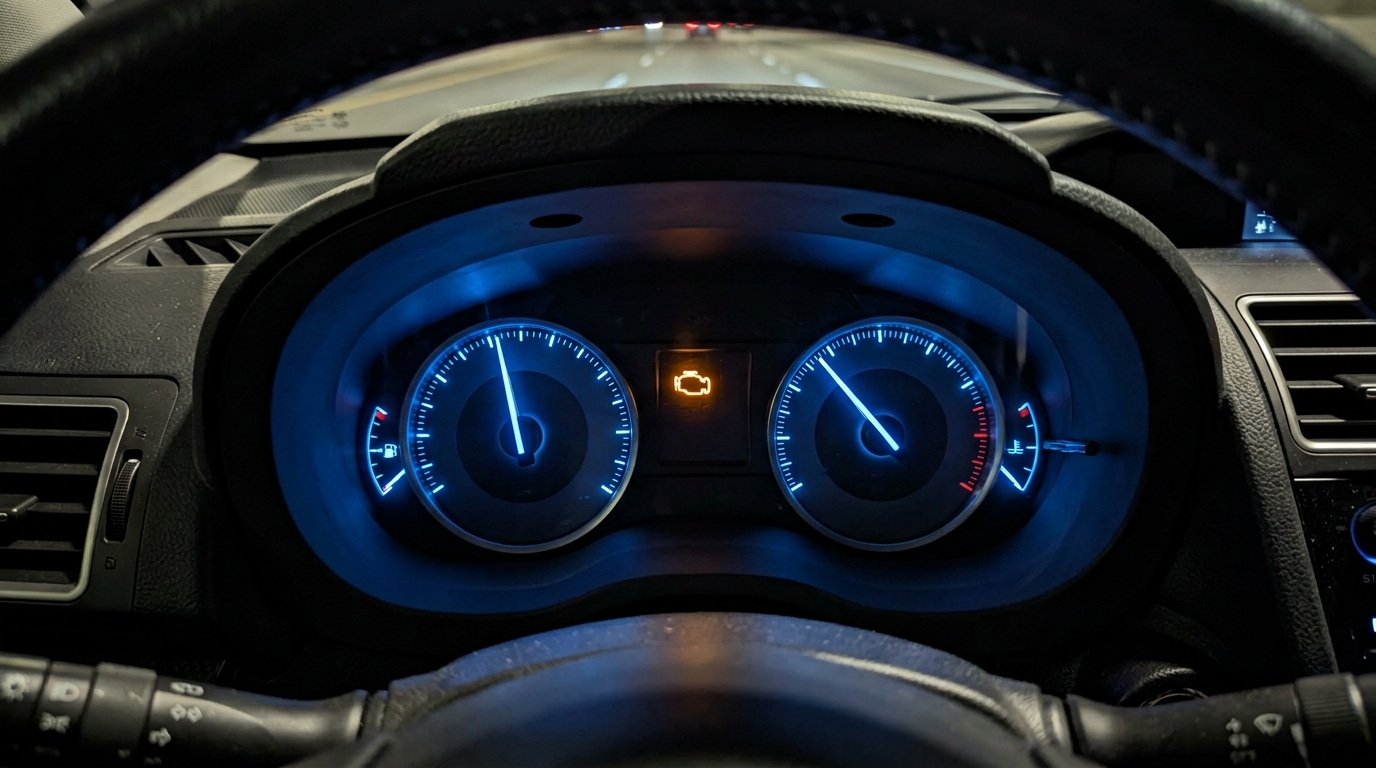
Few things are more unsettling than an unfamiliar light suddenly appearing on your dashboard. While some warning lights signal minor issues, others demand immediate attention. Knowing what these icons mean can help you respond appropriately and avoid costly damage or dangerous situations on the road.
Understanding the Color System
Red Lights: Stop and Address Immediately
Red warning lights indicate a serious issue that needs urgent attention. If a red light appears, it’s often safest to pull over and assess the situation before continuing to drive.
Yellow or Orange Lights: Caution Needed
Yellow or orange lights typically mean something needs attention soon, but it may not be an immediate emergency. Still, these shouldn’t be ignored for long.
Green or Blue Lights: Informational
These simply indicate that a system is active, like your headlights or cruise control, and don’t signal a problem.
The Most Common Warning Lights
Check Engine Light
This is one of the most misunderstood warning lights. It can indicate anything from a loose gas cap to a serious engine problem. If it’s flashing rather than steady, this usually signals a more urgent issue, and you should reduce speed and get it checked promptly.
Oil Pressure Warning
Shaped like an oil can, this light means your engine isn’t getting adequate oil pressure. Driving with low oil pressure can cause severe engine damage quickly, so it’s best to stop driving and check your oil level as soon as possible.
Battery/Charging System Warning
This light indicates a problem with your car’s charging system, often related to the battery or alternator. If you see this, your car may lose power unexpectedly, so it’s wise to get it inspected soon.
Brake System Warning
This could mean your parking brake is engaged, your brake fluid is low, or there’s an issue with the brake system itself. Given the safety implications, this light should never be ignored.
Tire Pressure Warning (TPMS)
This light means one or more tires have low pressure. Underinflated tires affect handling, fuel efficiency, and tire lifespan, so it’s worth checking pressure levels as soon as convenient.
Temperature Warning
This indicates your engine is overheating. Continuing to drive can cause serious engine damage, so it’s important to pull over safely and let the engine cool before checking coolant levels.
ABS Warning Light
This means there’s an issue with your anti-lock braking system. While your regular brakes may still work, ABS plays a key role in preventing skids during hard braking, so it shouldn’t be ignored.
Airbag Warning Light
This indicates a fault in the airbag system, which could mean your airbags won’t deploy properly in a crash. This warrants a prompt inspection.
What to Do When a Light Appears
- Don’t panic — assess whether the light is red, yellow, or informational.
- Check your owner’s manual for the exact meaning, since symbols can vary slightly by manufacturer.
- Address red lights immediately, pulling over if necessary.
- Schedule service soon for yellow or orange lights.
- When in doubt, have it checked — a quick diagnostic scan can save you from bigger problems later.
Final Thoughts
Dashboard warning lights exist to protect both your vehicle and your safety. Learning to recognize the most common ones helps you respond quickly and confidently, rather than guessing what’s wrong. When something unfamiliar lights up, a little knowledge goes a long way toward keeping small issues from becoming expensive repairs.