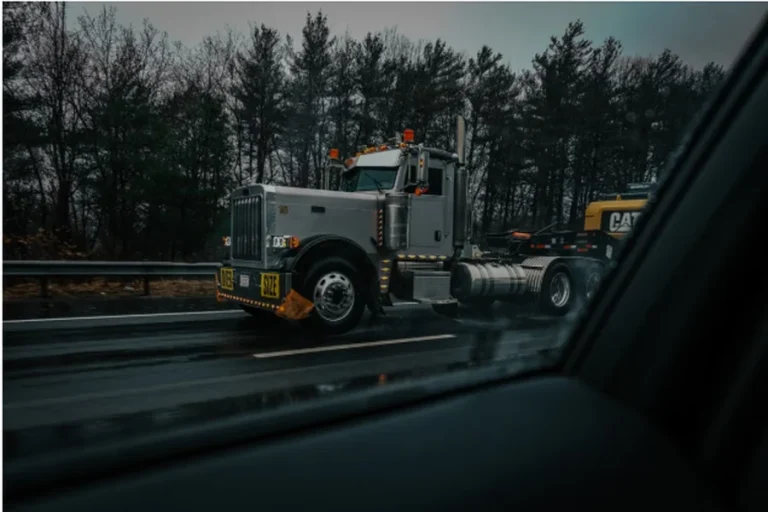
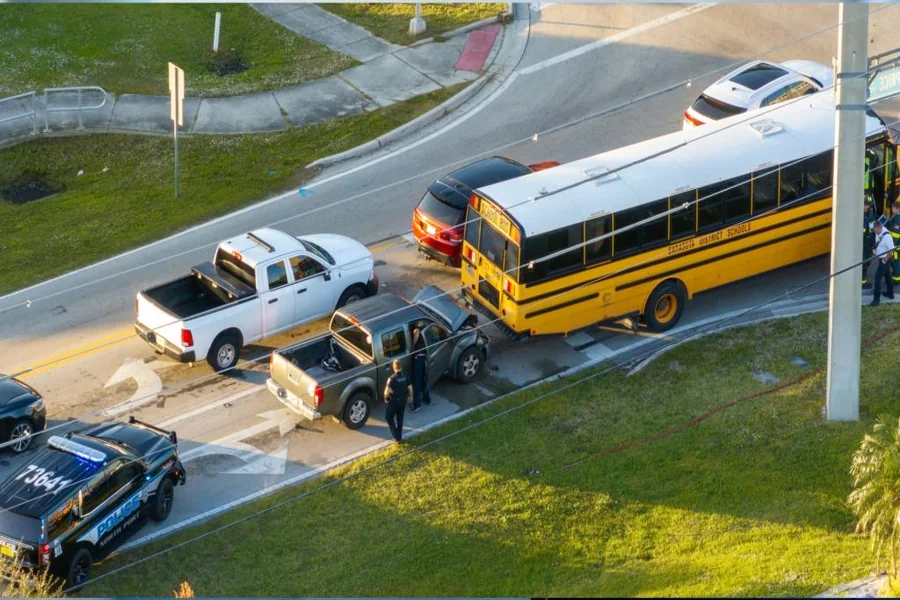
A serious truck collision can create a dangerous roadway condition after the first impact. A tractor-trailer may block lanes, scatter cargo or vehicle parts, damage barriers, or leave motorists stopped in unexpected locations. The Federal Highway Administration defines a secondary crash as one that results from an original crash and occurs within the incident scene or the resulting queue or backup.
The vehicles in a later collision may never have contacted the truck in the first impact. They may instead encounter stopped traffic, debris, emergency vehicles, or drivers making evasive maneuvers upstream. Reconstructing the event can therefore require examining how the first truck crash changed traffic conditions and whether those changes contributed to another collision.
A Disabled Truck Can Suddenly Block the Normal Travel Path
A damaged tractor-trailer can occupy a lane, shoulder, intersection, or median. Because commercial vehicles are large, even a truck partly within one lane may force approaching drivers to brake, merge, or move around the scene. FHWA notes that traffic incidents disrupt normal flow and increase the likelihood of secondary crashes.
The hazard can grow when the first collision happens near a curve, hill, or interchange where motorists cannot see the obstruction early. A driver may have little distance to recognize that the lane ahead is blocked. Skid marks, final vehicle positions, roadway geometry, and video can help establish how much warning approaching traffic had.
Traffic Queues Can Create Rear-End Crashes Far From the Scene
The danger is not limited to the original impact point. When lanes close, traffic can slow rapidly and form a queue beyond the visible crash scene. FHWA identifies the end of an incident-related queue as a critical location because motorists may be surprised by sudden slowing when the original incident is too far away to see.
This can lead to a secondary rear-end collision involving vehicles that were never close to the truck. The queue position can also change as congestion grows or clears. Traffic-camera footage, police records, navigation data, and witness accounts may help show when the backup formed and where the later collision occurred.
Cargo and Vehicle Debris Can Create Additional Hazards
Truck collisions can leave tires, body panels, cargo, fluids, or other material across active lanes. FHWA traffic-incident materials identify highway debris and spilled loads among incidents that can affect roadway safety and mobility. A motorist may strike the material or swerve into another lane while trying to avoid it.
Cargo can create a broad hazard area if it spreads beyond the truck’s final position. Investigators may need to identify what fell, where it landed, and whether drivers received warning before encountering it. Photographs, cargo records, dash-camera video, and roadway evidence can help distinguish damage from the primary impact from damage caused later.
Another Driver’s Reaction Can Become Part of the Causation Analysis
A secondary crash can involve several driving decisions. One motorist may brake abruptly at stopped traffic, another may follow too closely, and a third may change lanes to avoid the developing collision. Illinois pattern jury instructions recognize that a proximate cause does not have to be the only cause of an injury and can combine with another cause.
When a Naperville truck accident attorney evaluates this sequence, the inquiry may extend beyond who made the final contact. The investigation can consider whether the original truck collision created the hazard, whether later drivers reacted reasonably, and whether multiple acts contributed to the injuries. The later collision does not automatically erase the significance of the first event.
Darkness, Weather, and Road Geometry Can Reduce Advance Warning
Secondary collisions can become more likely when motorists have difficulty seeing the incident or queue. Darkness, rain, fog, glare, curves, hills, and roadside obstructions can reduce the distance available to recognize stopped vehicles, debris, or emergency activity.
These conditions affect how physical evidence is interpreted. A vehicle’s distance from the original crash does not show by itself that its driver had enough time to react. Investigators may compare visibility, roadway grade, lighting, weather records, vehicle speeds, and warning devices to determine when an approaching driver reasonably could have identified the hazard.
Emergency Response Can Change Traffic Patterns Again
Police, firefighters, paramedics, highway personnel, and tow operators may arrive after a major truck crash. Their vehicles can occupy lanes or shoulders while responders treat injuries, investigate, remove cargo, or recover damaged vehicles. FHWA notes that motorists near an incident are vulnerable to secondary crashes caused by sudden slowing, lane changes, and emergency-vehicle movements.
Illinois law requires drivers approaching qualifying emergency scenes to proceed with due caution, reduce speed, and move into a nonadjacent lane when possible and safe. Emergency vehicles can therefore affect both the roadway configuration and the actions expected of approaching motorists.
A Secondary Crash Can Occur in the Opposite Direction
Not every secondary collision happens behind the first truck crash. FHWA’s definition includes crashes in queues or backups in either direction when they result from the original incident. Opposing traffic may slow because debris crosses the median, emergency vehicles occupy nearby space, or drivers are distracted by activity across the roadway.
Determining whether an opposite-direction collision was truly secondary requires more than proximity. Investigators need evidence connecting the later crash to conditions created by the first one. Timing, traffic flow, witness accounts, roadway cameras, and the location of debris or emergency equipment may help establish that connection.
A Complete Timeline Can Connect the Primary and Secondary Events
Reconstruction often depends on showing how roadway conditions changed over time. Useful evidence may include:
1.police and crash reports;
2.traffic or surveillance footage;
3. dash-camera recordings;
4. commercial vehicle GPS or telematics data;
5. 911 and dispatch records;
6. photographs of debris and vehicle positions; and
7. emergency-response and towing records.
FHWA identifies secondary crashes through their relationship in time and location to the original incident, including crashes within the scene or associated queue. These records can help determine whether the later collision was independent or part of the chain created by the truck crash. That distinction can be important when several vehicles, drivers, and causes are involved.