
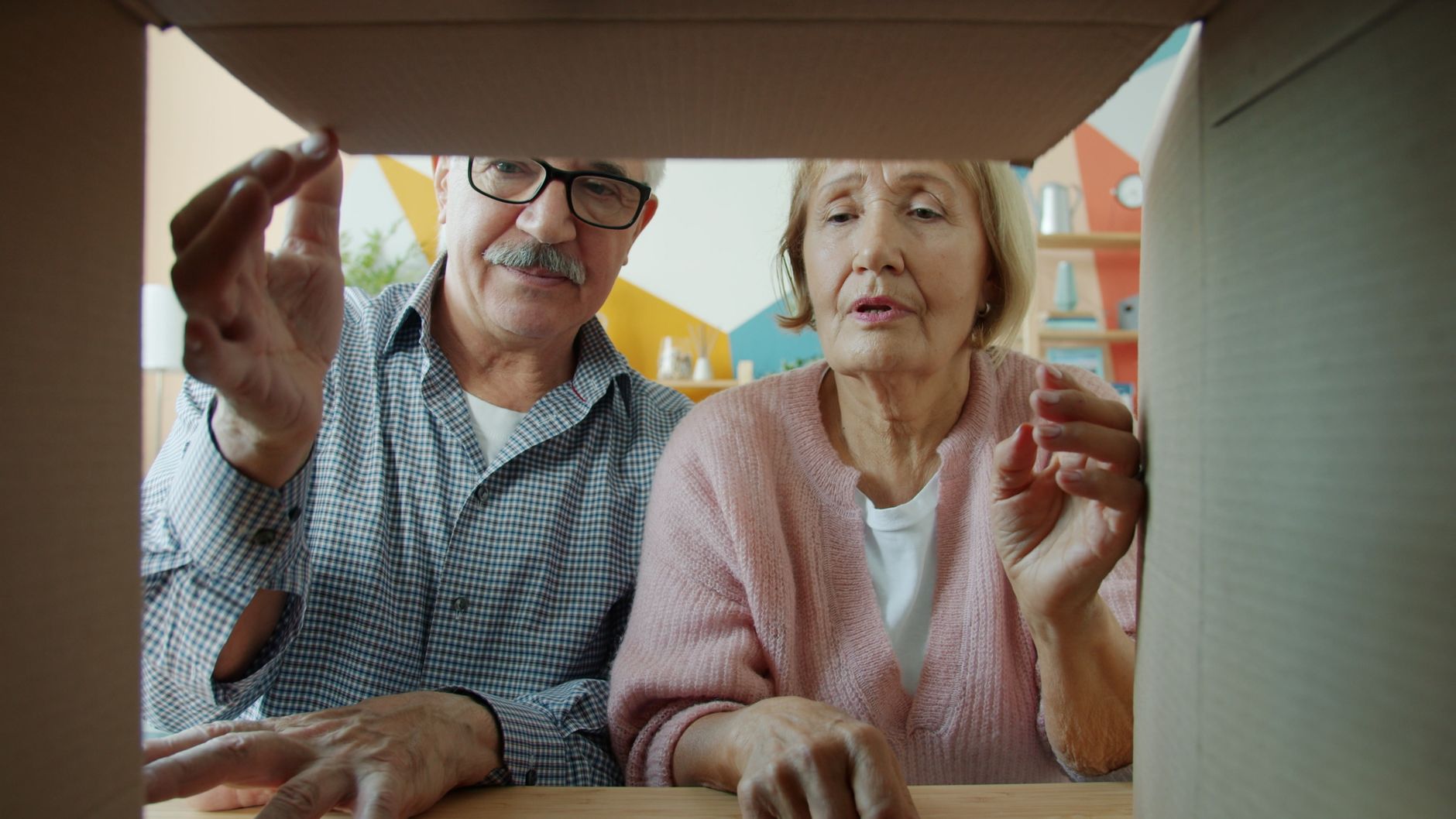
Moving later in life carries a different weight than moving at twenty-five or forty. A home accumulated over decades holds more than furniture; it holds routines, memories, and a sense of control that can feel fragile once it starts to shift. Families often approach a senior move the way they would approach any other logistical project: pack the boxes, hire the truck, unpack on the other end. That approach can work for the physical move itself, but it tends to miss what actually determines whether the transition feels manageable or overwhelming for the person at the center of it. A thoughtful plan treats independence, routine, sentimental belongings, and emotional steadiness as equally important to the timeline and the truck rental. The sections that follow look at each of these in turn, along with practical ways families can keep them intact through the process.
Why the Emotional Side of the Move Deserves Equal Planning
A change of address at this stage of life often follows a loss, a health change, or a difficult realization that a longtime home no longer fits current needs. That context shapes how the move is experienced. Even when the decision is the right one, it can still carry grief, since leaving a home often means leaving behind a version of daily life that felt familiar and self-directed.
Families sometimes assume that handling the physical details quickly, before emotions have time to complicate things, is the kinder approach. In practice, rushing tends to have the opposite effect. When an older adult feels that decisions are being made around them rather than with them, anxiety about the move can increase even if the new living situation is objectively better. Building in time for conversation, questions, and reconsideration is not a delay tactic. It is what allows the emotional processing to happen alongside the logistical planning instead of being skipped entirely.
Protecting a Sense of Independence Throughout the Process
Independence rarely disappears all at once during a move. More often, it erodes through a series of small decisions made on someone’s behalf: which boxes to pack first, which furniture makes the trip, which day feels right to start. Each of these choices, handed over without discussion, chips away at a person’s sense of agency over their own life.
Giving an older adult real decision-making power, not just the appearance of it, changes how the entire process feels. This can mean letting them set the pace for sorting through certain rooms, offering a short list of options rather than open-ended choices when decision fatigue is a concern, and being honest when a preference genuinely cannot be accommodated rather than quietly overriding it. Small adjustments, such as asking where a favorite chair should go in the new space instead of simply placing it, communicate respect in a way that logistics alone cannot.
Keeping Daily Routines Intact Before and After the Move
Routine provides a kind of quiet stability that becomes more noticeable once it is disrupted. A consistent wake-up time, a particular chair by a window, a regular phone call with a neighbor, these patterns often matter more to day-to-day comfort than the size or layout of a home. When families plan a transition with services such as senior moving by Next Step, one of the more practical steps is mapping out which routines matter most before the move date is even set, so the new environment can be arranged to support them from day one rather than weeks later.
Recreating familiar patterns does not require an identical floor plan. It might mean keeping a medication schedule visible in the same style of pillbox, placing a favorite lamp within reach of a reading chair, or preserving the timing of a morning walk even if the route itself has changed. Continuity in small, repeated actions tends to ease the disorientation that comes with an unfamiliar space far more effectively than any single large gesture.
Deciding What to Keep: Sentimental Belongings and Thoughtful Downsizing
Downsizing is frequently the most emotionally difficult part of a senior move, since it forces decisions about which physical reminders of a life get to continue forward. Photographs, handwritten letters, a child’s old drawing kept for forty years, none of these hold much resale value, yet parting with them can feel disproportionately hard. Coordinating with a team experienced in senior moving by Next Step or a comparable specialist often helps here, since sorting through decades of belongings benefits from patience and a process, not just extra hands.
A few strategies tend to make this stage more manageable rather than more painful. Photographing items that cannot make the move preserves the memory without requiring the physical space. Setting aside a single, clearly defined memory box rather than trying to keep everything gives sentimentality a home without overwhelming the new one. Offering keepsakes to specific family members by name, rather than leaving them in a general donation pile, often turns a loss into something closer to a gift being passed along.
Supporting Emotional Well-Being Through the Transition
Even a well-planned move includes hard days. Sadness, irritability, or a sudden wave of missing the old home can surface weeks after the boxes are unpacked, not just on moving day itself. Families do not need to fix these feelings so much as make space for them. A few signs are worth watching for as the transition unfolds, since they usually call for more conversation or support rather than more logistics:
•Withdrawal from activities or people they were previously engaged with in the new setting
•Repeated requests to return to the old home well beyond the initial adjustment period
•Noticeable changes in sleep, appetite, or energy that persist past the first few weeks
•Difficulty locating or talking about specific belongings that did not make the move
Staying connected through regular visits and phone calls, rather than assuming the hardest part ends once the moving truck leaves, tends to matter more than any single gesture. The table below outlines how the emotional focus can shift across the different phases of a move.
| Phase | Primary Focus | Helpful Actions |
| Before the move | Involvement and preparation | Include the older adult in decisions, sort belongings gradually, document routines to recreate later |
| Moving week | Stability and reassurance | Keep familiar items accessible first, avoid rushing unpacking, maintain regular meal and rest times |
| After the move | Connection and adjustment | Schedule regular visits, watch for prolonged distress, help build new small routines in the space |
Key Takeaways
A senior move goes well not because every box arrives on schedule, but because the person at the center of it still recognizes their own life inside the new space. That recognition comes from being included in decisions, from routines that carry over in recognizable form, from sentimental items that are handled with care rather than convenience, and from a family that stays attentive after the move rather than considering the job finished once the last box is unpacked. None of this requires perfection. It requires attention to the parts of the process that do not show up on a moving checklist but shape how the transition is actually remembered.