
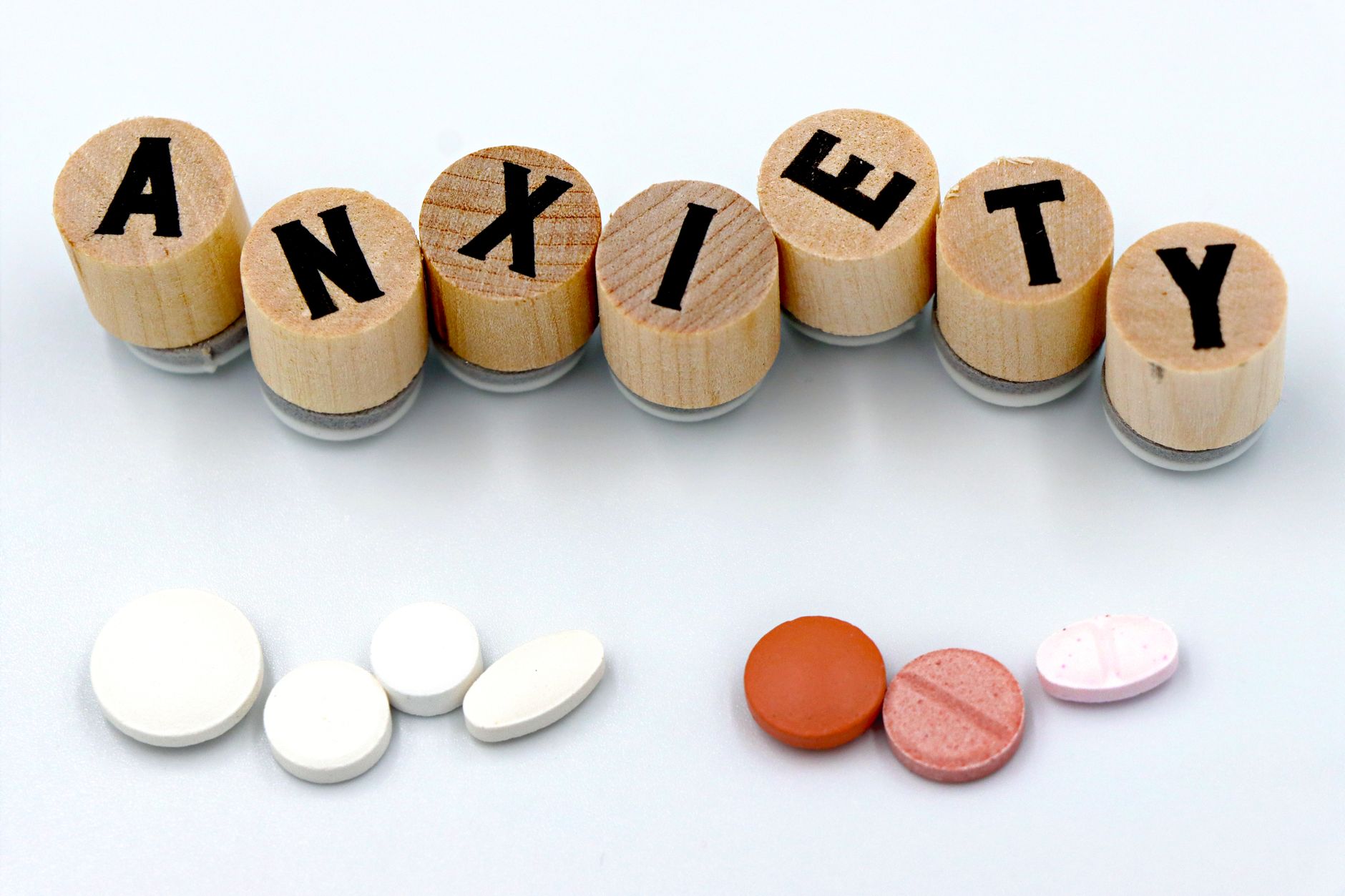
Anxiety has a way of making ordinary moments feel unbearable. A routine work meeting, a grocery run, a phone call from an unknown number. For millions of people, that feeling is not occasional stress. It is a persistent, often disabling experience that has a name, a clinical profile, and, crucially, effective treatment options. Understanding the distinction between everyday worry and a genuine anxiety disorder is the first step toward doing something about it.
This article breaks down the main types of anxiety disorders, how clinicians recognize them, why some people are more vulnerable than others, and what the treatment process actually looks like. The goal is to give you a clear, grounded picture so that whether you are experiencing symptoms yourself or supporting someone who is, you can make informed decisions.
What Separates an Anxiety Disorder From Normal Worry
Worry is a normal part of being human. It primes the brain to anticipate threats, which is genuinely useful in some situations. What distinguishes a clinical anxiety disorder is a cluster of specific features: the anxiety is disproportionate to the actual situation, it persists over time rather than resolving once a threat passes, and it interferes with the person's ability to function at work, in relationships, or in daily life.
According to the National Institute of Mental Health, anxiety disorders are the most common mental illness in the United States, affecting roughly 19 percent of adults in any given year. That figure makes them more prevalent than depression, though the two conditions frequently co-occur. What this prevalence also means is that anxiety disorders are among the most studied and best-understood psychiatric conditions, which is encouraging from a treatment standpoint.
Clinicians use the Diagnostic and Statistical Manual of Mental Disorders, fifth edition (DSM-5), to determine whether a person's anxiety rises to the level of a disorder. The criteria vary by specific disorder, but they generally require that symptoms be present for a defined minimum period, cause meaningful distress or impairment, and not be better explained by a medical condition or substance use.
The Main Types of Anxiety Disorders
Anxiety disorders are not a single condition. They are a family of related but distinct diagnoses, each with its own pattern of triggers, symptoms, and duration. Knowing the differences matters because treatment can look quite different depending on the specific diagnosis.
|
Disorder |
Core Feature |
Typical Duration Criteria |
|
Generalized Anxiety Disorder (GAD) |
Excessive, hard-to-control worry about multiple areas of life |
Symptoms present most days for at least 6 months |
|
Panic Disorder |
Recurrent unexpected panic attacks plus persistent fear of future attacks |
At least 1 month of concern or behavior change following an attack |
|
Social Anxiety Disorder |
Intense fear of social situations due to possible scrutiny or embarrassment |
Symptoms present for 6 months or more |
|
Specific Phobia |
Marked fear of a particular object or situation (e.g., heights, needles) |
Typically 6 months or more |
|
Agoraphobia |
Fear and avoidance of situations where escape might be difficult |
6 months or more |
|
Separation Anxiety Disorder |
Excessive fear about separation from attachment figures |
4 weeks in children, 6 months in adults |
Obsessive-compulsive disorder (OCD) and post-traumatic stress disorder (PTSD) were once grouped with anxiety disorders in earlier diagnostic editions. The DSM-5 moved them into separate categories, though they share overlapping features with anxiety disorders and are sometimes treated with similar therapeutic tools.
Recognizing the Symptoms
Anxiety disorders produce both psychological and physical symptoms, and the physical ones often catch people off guard. Someone experiencing a panic attack for the first time, for example, may genuinely believe they are having a heart attack. Understanding the full symptom picture can prevent unnecessary emergency room visits and help people seek the right kind of care sooner.
Psychological Symptoms
- Persistent, intrusive worry that is difficult to control
- A sense of dread or impending doom with no clear cause
- Difficulty concentrating because the mind keeps returning to feared thoughts
- Heightened irritability, especially when anxiety is chronic
- Avoidance of situations, places, or people that trigger anxiety
- Feeling detached from oneself or surroundings (depersonalization or derealization)
Physical Symptoms
- Racing or pounding heartbeat (palpitations)
- Shortness of breath or a feeling of being unable to get enough air
- Sweating, trembling, or shaking
- Nausea, stomach upset, or diarrhea
- Dizziness or lightheadedness
- Muscle tension or headaches
- Sleep disturbances, including difficulty falling or staying asleep
Physical symptoms arise because anxiety activates the sympathetic nervous system, triggering the body's fight-or-flight response. That response is designed for genuine danger. When it fires repeatedly in the absence of real threats, it becomes exhausting and can contribute to longer-term health issues including cardiovascular strain and immune suppression, according to research published in journals such as Psychosomatic Medicine.
Risk Factors and Contributing Causes
No single cause explains why one person develops an anxiety disorder while another does not. Research points to a combination of biological, psychological, and environmental factors that interact in complex ways.
- Genetics: Having a first-degree relative with an anxiety disorder increases a person's risk, suggesting a heritable component to anxiety sensitivity.
- Brain chemistry: Dysregulation in neurotransmitter systems, particularly serotonin, gamma-aminobutyric acid (GABA), and norepinephrine, is associated with anxiety disorders.
- Early life experiences: Childhood trauma, neglect, or chronic stress can wire the brain toward heightened threat detection.
- Personality traits: People who score high on neuroticism or who have a naturally inhibited temperament tend to be more vulnerable.
- Chronic stress: Prolonged exposure to stressors at work, in relationships, or through financial hardship can erode a person's coping capacity over time.
- Medical conditions: Thyroid disorders, heart arrhythmias, and certain neurological conditions can mimic or exacerbate anxiety symptoms, which is why a medical workup is often part of the assessment process.
Understanding that anxiety disorders have genuine biological underpinnings is important because it counters the misconception that people can simply choose to feel less anxious. The brain's threat-processing circuits, particularly the amygdala, are functioning in a heightened state. That is not a character flaw. It is a neurological pattern that responds to targeted intervention.
How Anxiety Disorders Are Treated
Effective treatment for anxiety disorders typically involves psychotherapy, medication, or a combination of both. The choice depends on the specific disorder, its severity, the person's history, and their preferences. There is no universal protocol, and a good clinician will tailor the approach accordingly.
Psychotherapy
Cognitive behavioral therapy (CBT) is the most extensively researched psychotherapy for anxiety disorders. It works by helping people identify distorted thought patterns, challenge them, and gradually change the behaviors, particularly avoidance, that maintain the anxiety cycle. A specific component called exposure therapy is often central to treatment for phobias, panic disorder, and social anxiety. Exposure involves the systematic, controlled confrontation of feared situations until the anxiety response diminishes, a process called habituation. People seeking anxiety disorder treatment who engage consistently with CBT-based approaches tend to show durable improvements that persist well after therapy ends, which is one of the method's key advantages over medication alone.
Medication
Selective serotonin reuptake inhibitors (SSRIs) and serotonin-norepinephrine reuptake inhibitors (SNRIs) are the first-line medications for most anxiety disorders. They are not habit-forming and typically take two to four weeks to produce noticeable effects. Buspirone is another non-addictive option particularly used for GAD. Benzodiazepines, such as lorazepam or clonazepam, act quickly and can be useful for short-term symptom management, but their potential for dependence makes them less appropriate as a long-term strategy for most people. Beta-blockers are sometimes prescribed for situational anxiety, such as performance anxiety, where they reduce physical symptoms like trembling and rapid heart rate.
Complementary Approaches
A growing body of evidence supports the role of lifestyle-based strategies as adjuncts to formal treatment. Regular aerobic exercise has been shown in multiple controlled trials to reduce anxiety symptoms, with some studies suggesting effects comparable to medication for mild to moderate cases. Mindfulness-based stress reduction (MBSR) and mindfulness-based cognitive therapy (MBCT) have also demonstrated efficacy, particularly for GAD and recurring depressive episodes that co-occur with anxiety. These are not replacements for clinical care in more severe cases, but they can meaningfully extend and reinforce the gains made in therapy.
What the Treatment Process Actually Looks Like
A common barrier to seeking help is not knowing what to expect from the process. People often imagine a vague, open-ended experience that feels intimidating to start. In practice, anxiety disorder treatment tends to be structured, goal-oriented, and time-limited for many people, particularly those receiving CBT.
- Initial assessment: A clinician gathers a detailed history of symptoms, duration, triggers, and impact on functioning. Medical causes are ruled out. A formal diagnosis is made.
- Treatment planning: The clinician and patient agree on specific goals and the approach that best fits the diagnosis and the person's circumstances.
- Active treatment: Weekly or biweekly sessions address thought patterns, build coping skills, and include graduated exposure where appropriate. Medication adjustments happen during this phase if medication is part of the plan.
- Progress review: At regular intervals, progress is measured against baseline symptoms, often using validated scales like the GAD-7 or the Penn State Worry Questionnaire.
- Maintenance and relapse prevention: As symptoms improve, sessions may become less frequent. The focus shifts to recognizing early warning signs and applying skills independently.
Improvement is rarely linear. Most people experience some setbacks during treatment, and that is a normal part of the process rather than a sign that treatment is failing. The key variable across studies is consistent engagement. People who attend sessions regularly and complete between-session practice tasks tend to achieve the best outcomes.
When to Seek Professional Help
Knowing when self-help strategies are sufficient and when professional support is warranted is genuinely difficult, partly because anxiety often involves avoidance, which can delay help-seeking. A few practical markers are worth keeping in mind.
If anxiety has been present most days for several weeks, if it is causing you to miss work, avoid social situations, or withdraw from activities that used to bring satisfaction, or if physical symptoms are frequent and distressing, those are meaningful signals that professional evaluation would be worthwhile. The same applies if anxiety is accompanied by depression, substance use, or thoughts of self-harm. Early intervention generally leads to better outcomes than waiting for symptoms to become severe.
Anxiety disorders are genuinely treatable conditions. The research base is strong, the tools available to clinicians are effective, and most people who engage with appropriate care experience significant relief. The hardest part for many people is the first step: acknowledging that what they are experiencing deserves attention and that asking for help is not a sign of weakness. It is, if anything, the most practical thing a person can do.




1 thought on “Anxiety Disorders: Types, Symptoms & How Treatment Works”