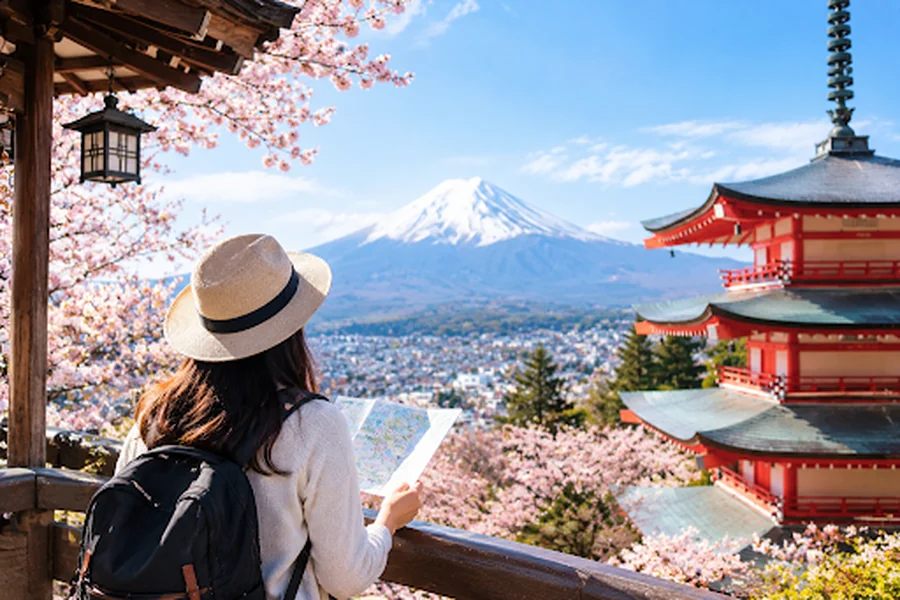
Japan offers a travel experience shaped by contrasts. Ancient temples stand alongside modern skyscrapers, quiet rural towns provide a break from busy city life, and regional cuisines reflect centuries of local tradition. For travellers from Singapore, these differences make Japan an appealing destination, whether the plan involves a short city break, a family holiday or a longer journey across several regions.
However, fitting everything into one trip takes careful planning. Distances between destinations, seasonal weather, transport connections and accommodation choices can all affect the experience. Working with a Singapore tour agency to Japan can help travellers organise these details, choose suitable destinations and make better use of their time. With a well-planned itinerary, it becomes easier to explore Japan at a comfortable pace while leaving room for unexpected discoveries.
What Makes Japan an Appealing Travel Destination?
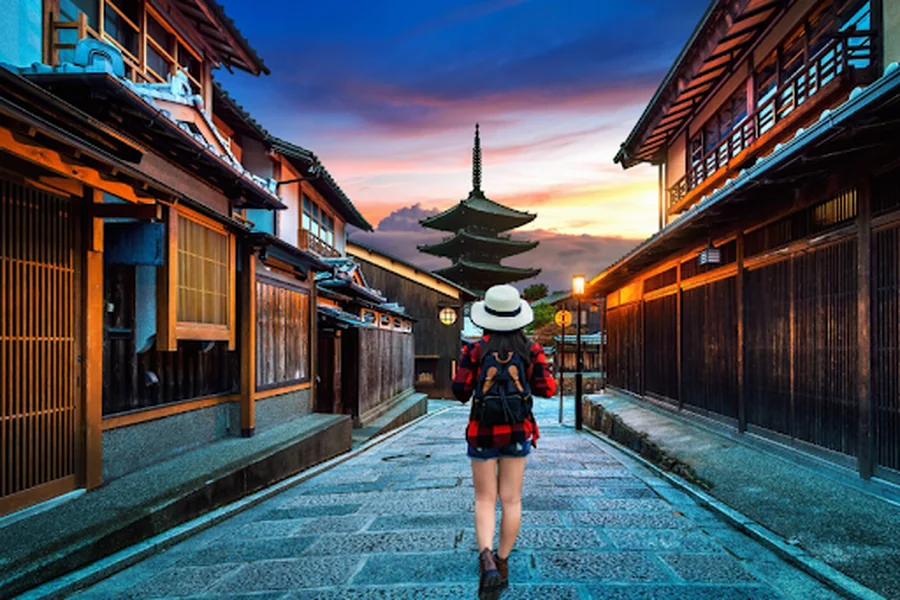
Japan’s appeal lies partly in how much it offers different types of travellers. Tokyo and Osaka attract visitors with their shopping districts, entertainment venues and varied food scenes. Kyoto offers a closer look at traditional architecture, Buddhist temples and Shinto shrines, while smaller towns provide opportunities to experience a quieter side of Japanese life.
The country’s landscapes also change considerably from one region to another. Hokkaido is known for its snowy winters, ski resorts and summer flower fields. In contrast, Okinawa offers subtropical beaches and a distinct island culture. Travellers can explore mountain scenery, coastal communities, historic districts and contemporary cities within the same country.
How a Singapore Tour Agency Can Help Plan Your Japan Trip
Planning a holiday in Japan involves more than choosing a few attractions. Travellers need to consider train routes, hotel locations, luggage arrangements, restaurant bookings and the amount of time required to move between destinations. These details can become difficult to manage when an itinerary covers several cities.
A tour agency familiar with Japan can help coordinate these arrangements before departure. Depending on the package, this may include flights, accommodation, transport, guided sightseeing and selected meals. Having the main components organised in advance can reduce the amount of time spent making arrangements during the holiday.
Food Beyond the Familiar Favourites
Food is an important part of travelling in Japan because many dishes reflect the ingredients, climate and traditions of individual regions. Sushi and ramen are widely recognised internationally, but they represent only a small part of the country’s culinary range.
In Osaka, visitors can try takoyaki, which consists of batter cooked around pieces of octopus, and okonomiyaki, a savoury dish prepared with cabbage and other ingredients. Kyoto is associated with traditional sweets, seasonal dishes and refined preparations that draw on its historic culinary culture. Hokkaido, meanwhile, is known for seafood, dairy products and hearty noodle dishes.
Markets and local shopping streets offer opportunities to sample regional food without committing to a formal dining experience. Food tours can be particularly useful for travellers who want to understand unfamiliar ingredients, ordering customs or the stories behind certain dishes.
Dietary requirements should be discussed before departure if meals are included in a tour package. Travellers with allergies or strict dietary restrictions may need to confirm ingredients directly with restaurants, as some dishes use broths, sauces or seasonings that are not immediately obvious. Preparing a translated dietary note can also help when communicating with restaurant staff.
Japanese Customs Before You Travel
Learning a few basic customs can help visitors feel more comfortable and show consideration for local communities. Although practices vary by setting, awareness of common expectations makes everyday interactions easier.
Bowing is widely used as a greeting or expression of thanks, but visitors do not need to master every variation. A polite greeting and respectful behaviour are generally sufficient in most tourist situations.
Arranging Transport and Accommodation
Japan’s transport network makes travelling between major cities relatively straightforward, but choosing the right connections still requires planning. Shinkansen bullet trains link many major destinations, while local trains and buses provide access to neighbourhoods and regional attractions. Private transfers may be useful for families, travellers with mobility requirements or groups carrying substantial luggage.
The most suitable transport option depends on the route. A rail pass is not automatically the cheapest choice for every trip, so travellers should compare the cost of individual tickets with any available passes before making a decision. It is also important to account for station transfers, luggage storage and the time needed to reach attractions after arriving.
Planning Around Festivals and Seasonal Events
Japan’s festivals offer a chance to experience local traditions beyond the country’s permanent attractions. Cherry blossom viewing takes place in spring, although the timing varies by region and year. Summer brings numerous local festivals, many featuring traditional performances, food stalls and fireworks.
Kyoto’s Gion Matsuri is one of Japan’s best-known festivals, with events throughout July and major processions featuring elaborate floats. Other regions host celebrations tied to local history, religious traditions and seasonal changes.
These events can add considerable value to a holiday, but they also affect travel arrangements. Hotels may become more expensive, public transport can be crowded, and popular viewing areas may require arriving early. Travellers planning a trip around a major festival should confirm event dates and accommodation availability before finalising the rest of the itinerary.
Making More Responsible Travel Choices
Responsible tourism involves respecting the places people visit and considering how travel affects local communities. In Japan, this can mean following signs at historic sites, keeping noise down in residential neighbourhoods and avoiding behaviour that obstructs residents.
Visitors should dispose of rubbish properly, carry waste when suitable bins are unavailable and follow recycling instructions where provided. At temples, shrines and other cultural sites, it is important to observe photography restrictions and avoid touching objects that are not intended for public handling.
Final Thoughts
Japan offers a wide range of experiences, from the historic streets of Kyoto to Tokyo’s modern attractions and Hokkaido’s seasonal landscapes. Getting the most out of a visit depends on choosing destinations that match your interests, allowing enough time to explore and understanding the practical details of travelling between regions.
For travellers departing from Singapore, a suitable tour agency can help coordinate transport, accommodation and sightseeing while guiding local customs. Before committing to a package, compare the itinerary, inclusions, hotel locations and amount of free time available. With careful preparation and realistic expectations, a trip to Japan can offer a rewarding introduction to its food, culture, landscapes and everyday life.