By late 2026, the Australian automotive landscape has completely transformed, with fully electric vehicles reaching a record 19.5 percent market share of all new cars sold. Drivers now have an unprecedented choice of 196 different electric models ranging from compact city hatchbacks to versatile family SUVs. As families gear up for summer road trips, transitioning to an EV brings unique lifestyle considerations, especially when navigating the notoriously harsh Australian summer. Understanding how your vehicle reacts to the environment is the first step toward a seamless driving experience.
Passive Protection for Electric Vehicles
The southern hemisphere summer means UV intensity here is significantly higher than in the northern hemisphere, leading to rapid heat build-up inside parked cars. Because extreme cabin temperatures cause long-term damage to modern vehicle electronics, upholstery, and large touchscreens, owners are increasingly taking preventative action. Given that BYD and Tesla collectively account for nearly 47 percent of all electric vehicles sold in Australia, there is massive demand for premium accessories that completely block harsh UV rays. Investing in custom-fitted BYD car shades is a simple yet highly effective way to protect interior trims from UV degradation while significantly lowering the initial cabin temperature. Keeping the sun out entirely means your vehicle’s climate control system will not have to work overtime when you first turn the car on.
The Hidden Cost of Cabin Heat on Battery Range
While traditional internal combustion engines generate their own mechanical heat, electric models face a completely different thermal challenge. Extreme ambient temperatures directly impact the high-voltage battery efficiency and total driving range. The real enemy of summer EV driving is not just the hot outside air, but the intense greenhouse effect created by expansive automotive glass. Tests by the Royal Automobile Club of Victoria (RACV) reveal that a parked vehicle’s interior can exceed 70 degrees Celsius in mere minutes on a standard 30-degree summer day. Highlighting this rapid heat accumulation, the Royal Automobile Club of Western Australia responded to over 300 lock-in emergencies in Perth alone during the 2025 financial year, proving just how quickly a vehicle cabin can become dangerously hot. This level of heat saturation forces the car’s cooling systems to work exceptionally hard.
Cooling down a deeply heat-soaked cabin requires a significant amount of electrical energy. While maintaining a comfortable cabin temperature only uses about 1 kW of electrical power, the initial cooldown phase draws a heavy 3 to 5 kW from your high-voltage battery pack. This heavy air conditioning reliance has a noticeable and immediate impact on how far you can drive before needing a recharge. According to a study by AAA, electric vehicles can experience an 8.5 percent loss in driving range in extreme heat compared to moderate temperatures, largely due to air conditioning demands. Finding practical, energy-free ways to bypass that high-drain cooling phase is essential for overall range preservation, particularly on longer highway journeys between regional charging stations.
Practical Summer Maintenance Strategies
Beyond utilising sunshades, adopting smart daily habits helps maintain battery efficiency and keep your car’s interior safe from the relentless sun. General strategies for mitigating vehicle interior extreme heat often involve a clever combination of parking choices, route planning, and modern technological features built into the car’s software. To maximise your EV’s performance and longevity this summer, consider implementing the following practical steps to keep both you and your battery pack cool:
- Remote Pre-conditioning: Automotive experts highly recommend using your smartphone app to cool the cabin while the vehicle is still plugged into a charger. This pulls electricity directly from the grid rather than depleting the car’s battery before you hit the road.
- Strategic Parking: Park in the shade or in underground garages whenever possible. Even partial afternoon shade prevents the cabin from reaching extreme temperatures that trigger long, battery-draining cooling cycles.
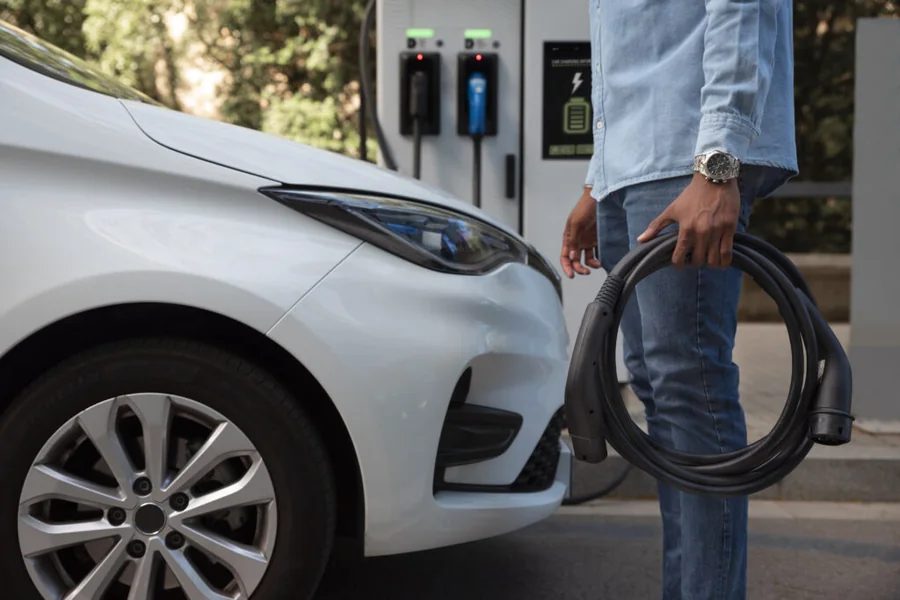
- Scheduled Charging: Set your vehicle to charge during the cooler nighttime hours. Fast charging generates internal heat, and doing it during peak summer daylight puts unnecessary thermal stress on the battery management system.
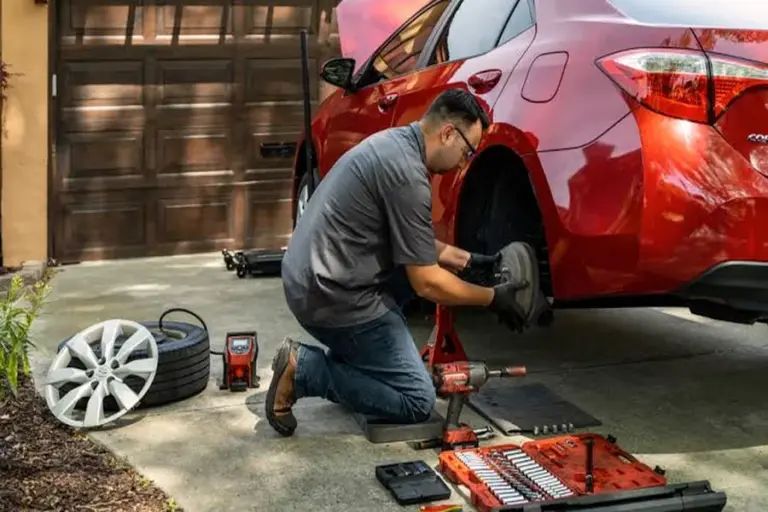
- Regular Tyre Checks: Extreme ambient heat causes tyre pressure to fluctuate. Keeping your tyres properly inflated reduces rolling resistance, further optimising your electric driving range and ensuring safer handling.
Embracing electric mobility in Australia requires just a few seasonal adjustments. By focusing on passive interior cooling and smart charging habits, you can protect your vehicle’s sensitive electronics, stay comfortable, and ensure plenty of range for long summer journeys. A little preparation goes a long way in guaranteeing a stress-free summer on the road.