In today’s fast-moving digital economy, businesses across the Gulf Cooperation Council (GCC) are under constant pressure to communicate faster, stand out visually, and connect with increasingly online audiences. Whether it’s announcing a government initiative, promoting a local event, launching a startup, or running a seasonal campaign, compelling visual content has become an essential part of modern communication.
The challenge, however, is that not every organization has access to a dedicated design team or the time to create polished marketing materials from scratch. This is where technology is changing the game, making professional-quality design more accessible to businesses of every size.
The Rise of AI in Everyday Design
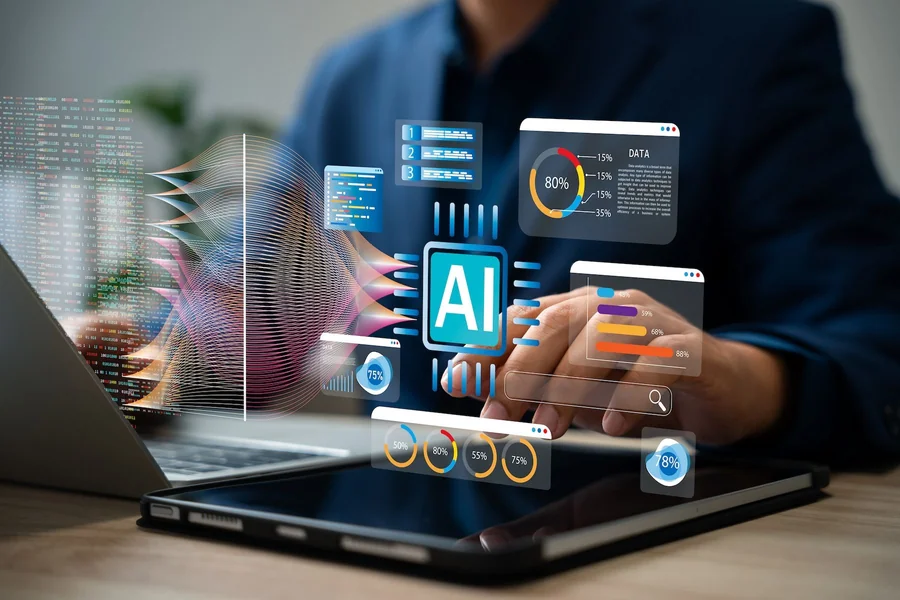
Modern artificial intelligence has moved far beyond simple automation. Today, it can help professionals brainstorm creative ideas, generate layouts, suggest color combinations, and speed up the entire design process.
For organizations looking to create promotional materials quickly without sacrificing quality, an AI poster maker offers an efficient way to transform ideas into visually appealing posters for marketing campaigns, business presentations, educational programs, and community events. Instead of starting with a blank canvas, users can focus on refining their message while intelligent tools handle much of the creative groundwork.
This shift isn’t about replacing creativity—it’s about giving people more time to focus on strategy, storytelling, and audience engagement.
Why Visual Communication Matters More Than Ever
People process visuals much faster than text. A well-designed graphic can communicate a message in seconds, while lengthy explanations often go unread.
Businesses across the GCC increasingly rely on visual assets for:
- Product launches
- Recruitment campaigns
- Corporate announcements
- Trade exhibitions
- Social media marketing
- Public awareness initiatives
- Educational workshops
A professional-looking poster or promotional graphic creates an immediate impression of credibility. Even small improvements in visual quality can increase engagement, encourage sharing, and improve brand recognition.
Supporting Small Businesses and Startups
Entrepreneurs often wear multiple hats. One day they’re meeting clients, the next they’re managing inventory, and later they’re planning marketing campaigns.
Hiring a designer for every announcement isn’t always practical, especially during the early stages of business growth.
AI-assisted design tools help bridge this gap by allowing founders to create polished promotional materials themselves. This means a local café can advertise a weekend promotion, a consultancy can announce an upcoming webinar, or an online retailer can promote a flash sale—all without waiting days for external design support.
The result is greater flexibility and faster decision-making.
Helping Government and Educational Organizations
Across the GCC, public institutions frequently need to communicate information clearly and efficiently.
Schools promote admissions and events.
Municipalities announce community programs.
Universities advertise seminars and conferences.
Healthcare organizations publish awareness campaigns.
In these situations, speed is important, but so is consistency. AI-assisted design can simplify the production of professional materials while maintaining visual standards across multiple campaigns.
Making Marketing Teams More Efficient
Marketing professionals rarely struggle with ideas—they struggle with time.
Campaigns often require multiple versions of the same visual:
- Different languages
- Various dimensions
- Social media adaptations
- Print-ready formats
- Internal presentations
Rather than rebuilding every asset manually, AI-powered workflows allow teams to create, refine, and customize visuals much faster.
This enables marketers to spend more time analyzing campaign performance, understanding customer behavior, and improving messaging instead of repeatedly adjusting layouts.
Real-World Example
Imagine a technology startup in Dubai preparing for an industry exhibition.
The team needs:
- A booth poster
- Social media announcements
- Presentation graphics
- Digital event invitations
- Follow-up promotional materials
Traditionally, this might involve several rounds of design revisions over multiple days.
With AI-assisted creative tools, the team can generate an initial concept quickly, customize it to match brand guidelines, and produce multiple formats for different channels within a much shorter timeframe.
The outcome isn’t just faster production—it allows the business to remain agile while maintaining a professional appearance.
Best Practices for Better Poster Design
Technology can accelerate design, but good communication still depends on thoughtful planning.
Here are a few practical tips:
Start with One Clear Message
Every poster should answer one primary question. Are you promoting an event? Launching a product? Sharing important information?
Avoid trying to communicate everything at once.
Prioritize Readability
Choose fonts that are easy to read from a distance.
Use strong contrast between text and background.
Leave enough white space so the design doesn’t feel crowded.
Maintain Brand Consistency
Use the same colors, typography, and logo placement across your materials.
Consistent branding helps audiences recognize your organization immediately.
Focus on Audience Needs
Instead of asking, “What do we want to say?” ask, “What does our audience need to know?”
Clear messaging almost always outperforms overly complex designs.
Test Before Publishing
Show your design to a colleague or friend.
If they understand the message within a few seconds, you’re likely on the right track.
The Future of Creative Work
Artificial intelligence is becoming a practical assistant rather than a replacement for creative professionals.
Designers continue to play an essential role by shaping brand identity, developing original concepts, and making strategic creative decisions.
AI simply reduces repetitive tasks and accelerates production.
This collaboration between human creativity and intelligent technology is likely to become the standard workflow for organizations of every size.
Companies that embrace these tools thoughtfully can improve efficiency while maintaining the authenticity and originality that audiences value.
Final Thoughts
Visual communication has become one of the most important elements of successful marketing and public engagement across the GCC. As organizations compete for attention in increasingly crowded digital spaces, the ability to create clear, attractive, and timely visual content can make a meaningful difference.
Rather than replacing creativity, modern design technology empowers businesses, educators, entrepreneurs, and public organizations to communicate ideas more effectively. By combining thoughtful messaging with efficient design workflows, teams can focus less on technical obstacles and more on delivering value to the people they serve.



1 thought on “How AI-Powered Visual Content Is Transforming Business Communication Across the GCC”