Few people expect to choose between a grave and a crypt until the moment arrives, often within days of a loss. The two options sound close, yet they differ in where the casket rests, what it costs, and how a family will visit for years to come.
This guide lays out both choices in plain terms. You will see where remains are placed, which arrangements are common, how costs and comfort compare, and what to ask before you sign anything. The goal is a clear picture, so the decision feels less rushed and more your own.
Burial vs. Entombment: The Short Answer
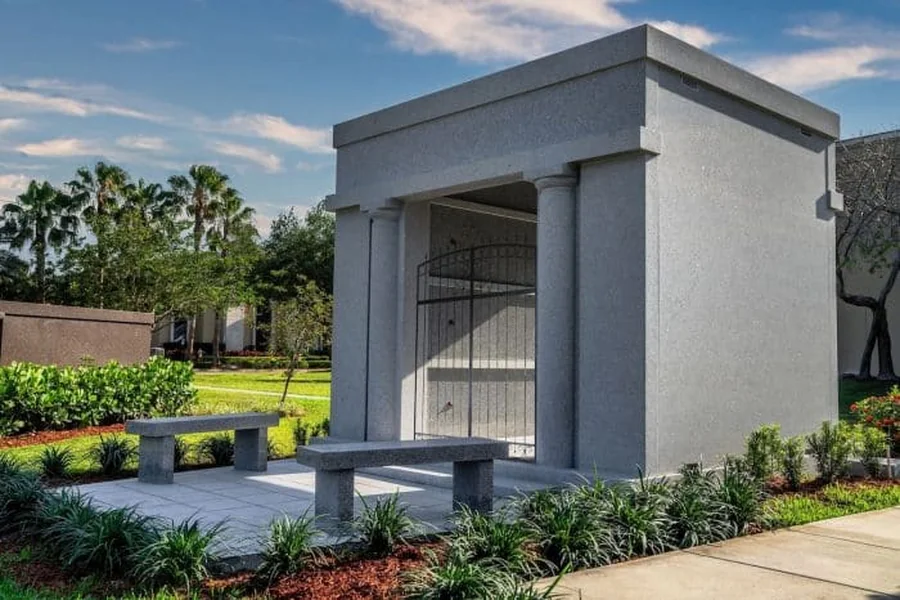
The core difference is location. With burial, the casket goes underground; with entombment, it is closed into a crypt within a mausoleum that stands at surface level. Many cemeteries therefore label the practice above-ground burial, which sums up the entombment meaning neatly.
In Oakland, both choices often sit close together. Several of the city’s older cemeteries rest in the East Bay hills, where ground plots, mausoleums, and cremation gardens can share the same grounds.
For many local families, the choice comes down to how they want to remember someone, not to which option is more proper. An Oakland California cemetery may offer traditional burial, mausoleum entombment, and niches for cremated remains, all on one property. Whichever route a family picks, it can include a viewing, a service, and religious rites, plus a spot for later visits.
In practice, the entombment vs burial question often splits along a few lines. Families who want a wide choice of headstones or a plot for several generations tend to lean toward the ground. Those who prefer a dry, indoor place to visit often lean toward a crypt, and cremation adds a third path with niches and urn gardens beside both.
How Each Option Works and Where Remains Are Placed
Knowing the basic steps makes the terms on a price list much easier to follow. Each option has its own containers, markers, and layout rules.
Traditional Burial: Plots, Vaults, and Markers
In-ground burial starts simply. The casket is lowered into a grave in a burial plot. Cemeteries typically require a concrete vault or a lighter grave liner to stop the surface from settling, and staff carry out the grave’s opening and closing, normally billed separately.
Marker rules depend on the section of the cemetery:
- Monumental sections allow upright headstones and larger monuments.
- Lawn sections use flat markers set level with the grass.
- Family plots hold several graves side by side for parents, children, and later generations.
Picture a family of four buying a row of plots at once. Everyone has a reserved space, and one shared headstone can carry each name as the years pass.
Mausoleum Entombment: Crypts, Niches, and Family Rooms
In a mausoleum, the casket slides into a crypt, a chamber built into a wall of stone or concrete. Staff then seal the front and add a name plate or carved inscription. No vault is needed, since the crypt itself serves as the outer container.
Common formats include:
- Single crypts for one person.
- Companion crypts that hold two caskets side by side or end to end.
- Private family rooms or estates set aside for one family.
- Niches for urns in the same building.
A couple who wants to rest together might choose a side-by-side crypt in an indoor hall. There, visits feel the same in January rain or August heat.
Comparing Cost, Memorials, Weather, and Visiting
Most burial options are judged on the same handful of points, and the burial and entombment differences show up clearly when you line them up. The table below sets the two side by side.
| Factor | Ground Burial | Crypt in a Mausoleum |
| Where the casket rests | Grave below ground | Sealed crypt above ground |
| Outer container | Vault or liner, often required | Crypt acts as the container |
| Main cost drivers | Plot, opening and closing, vault, marker | Crypt space, sealing, inscription |
| Marker choices | Wide, within section rules | Set plate or inscription style |
| Visiting comfort | Open air, weather varies | Often indoors |
| Family grouping | Plots side by side | Companion or stacked crypts |
| Faith and culture fit | Preferred by some traditions | Accepted by many faiths |
Cost varies widely by cemetery and region, so treat any figure you hear as a starting point. Entombment often costs more up front because a crypt is a built space, yet ground burial adds vault, opening, and marker fees that can narrow the gap.
Under the federal Funeral Rule, families have the right to an itemized price list from funeral homes. Comparing lists line by line shows the real total for each choice, not just the headline price.
Memorial style and comfort matter too. Ground burial usually allows more freedom in headstone shape and wording, while mausoleums keep a uniform look. Indoor halls suit people who visit often, and areas with high groundwater or little open land often favor crypts.
Ranking the following factors can bring your burial preferences into focus:
- Budget, including future fees
- Faith or cultural practice
- Space for other family members
- How often you plan to visit, and in what weather
- Environmental values
Cremation, Natural Burial, and Other Final Resting Places
Cremation Niches, Columbariums, and Urn Gardens
Choosing cremation does not rule out a lasting place to visit. Cremated remains can be buried in a small plot or urn garden, or placed in a niche inside a columbarium, which works much like a mausoleum for urns. Some families mix approaches, with a niche for one spouse and a ground plot for the other, as long as cemetery rules allow it.
Green and Natural Burial Grounds
A green burial usually skips the vault and embalming. The body rests in a plain wooden casket or cloth shroud. A stone or tree may serve as the marker. Entombment sits at the other end of that scale, since a sealed crypt is built to last rather than return to the earth, and with such different final resting places, strong environmental values can settle the question quickly.
Cemetery Planning: Questions to Ask and Wishes to Record
Good cemetery arrangements start with a few direct questions. Put these questions to every cemetery on your shortlist:
- Which kinds of plots, crypts, or niches can be purchased at the moment?
- Could relatives be laid to rest near one another down the road?
- Will long-term maintenance of the grounds be covered by the price you were given?
- What are the rules for markers and inscriptions?
- Is a vault or liner required?
- Is it possible to secure a space ahead of need?
Timing changes the process a great deal. A family facing a death this week may have only days to decide, so a short list of must-haves helps. Someone handling funeral planning years ahead can tour several properties, compare written prices, and take time to talk it over.
Once a choice is made, write it down and tell close family where the papers are kept. Keep copies of any deeds or prepaid contracts with your other funeral arrangements. Few end-of-life decisions have one right answer; the best fit honors the person’s wishes, the family’s budget, and the place they will want to visit.
Frequently Asked Questions About Burial and Entombment
How Does a Body Change Over Time Inside a Sealed Mausoleum Crypt?
Inside a sealed crypt, the body breaks down gradually, though the process differs from in-ground burial. Most modern crypts use sealed or vented systems that manage moisture and odor. Over time, the remains reduce to skeletal form. The crypt stays closed, and the space is generally not reused except in certain shared family arrangements.
Why Do Some Families Prefer Above-Ground Interment to a Grave?
Families often cite a mix of practical and personal reasons. Some prefer a dry, clean, weather-protected setting, while others live in areas with high water tables or limited cemetery land. Visiting an indoor space can feel more comfortable in harsh weather. Some also value the permanence, the dignity, and the chance to keep relatives together in one building.
What Is the Reason for Covering a Face Before Closing the Casket?
Covering the face is usually a final gesture of respect and privacy, and it can also be part of religious or cultural custom. In some traditions, a cloth or veil marks the farewell. It spares family and attendants a hard last view before the lid is sealed, giving the moment a sense of closure and dignity.
Wrap-Up
Burial and entombment both give a loved one a permanent place to visit; the choice mostly turns on location, memorial style, cost, and comfort. If the decision is in front of you now, start with any wishes the person shared, then match them to faith, budget, and how often family will visit.
A practical next step is to gather written price lists from two or three cemeteries and compare the full totals, not just the plot or crypt price. Walk the grounds or the mausoleum in person if you can. Then record the choice, share it with family, and file the paperwork where it is easy to find. Careful cemetery planning now spares the people you love from guessing later.