
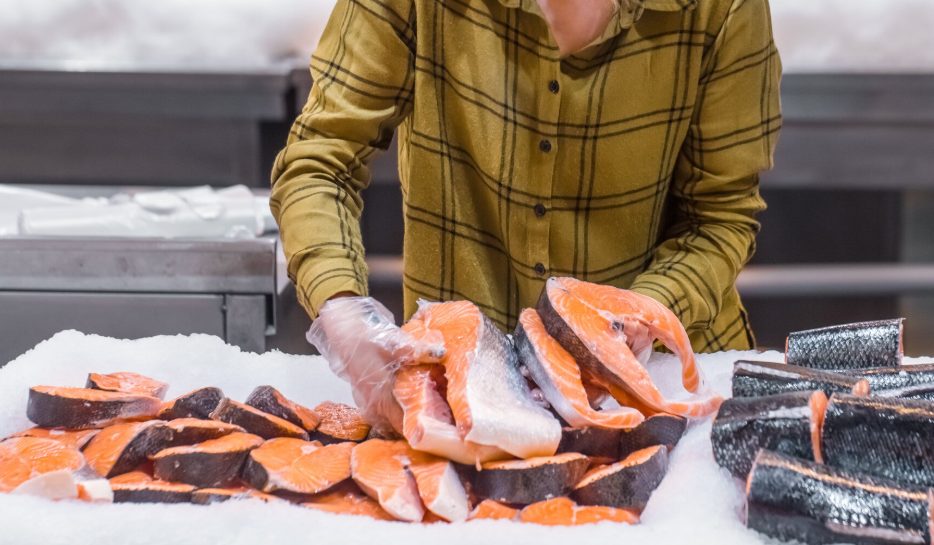
Frozen seafood has become an important part of the food supply chain, providing businesses with convenient access to a wide selection of seafood throughout the year. Restaurants, hotels, supermarkets and food distributors rely on frozen products to maintain consistent supplies and meet customer demand. With improvements in freezing methods, storage and transportation, frozen seafood can retain much of its natural flavour, texture and nutritional value when handled correctly.
The frozen seafood wholesale in Singapore industry plays an important role in supplying restaurants, retailers and other food businesses with seafood in larger quantities. Companies such as Snow Treasures support these businesses by offering a variety of frozen seafood products and supply solutions to meet different operational needs. Understanding the wholesale market can help buyers assess product quality, compare prices and choose suppliers that offer consistent stock and reliable service.
Why Frozen Seafood Is in High Demand
Frozen seafood offers several practical advantages for businesses and consumers. One of its main benefits is the longer storage period compared with fresh seafood. When products are frozen and stored at the correct temperature, their quality can be maintained for an extended period.
This allows restaurants and food retailers to keep suitable stock available without needing to purchase fresh seafood every day. It also makes it easier for businesses to plan menus, manage orders and maintain a consistent supply of popular products.
Another advantage is product variety. Frozen seafood suppliers can offer prawns, fish fillets, squid, scallops, crabs and other seafood options throughout the year. Businesses are not limited to products that are currently available from nearby sources.
Frozen seafood can also help reduce food waste. Businesses can store products according to their needs and defrost only the quantities required for preparation. This supports better inventory management and can help control operating costs.
The Importance of Quality and Proper Freezing
The quality of frozen seafood depends on several factors, including the condition of the product before freezing, the freezing method and the way it is stored afterwards. Seafood should be handled carefully from the point of processing to final delivery.
Rapid freezing methods can help preserve the natural structure of seafood by limiting the formation of large ice crystals. This can help maintain texture when the product is properly thawed and prepared.
Packaging also plays an important role. Suitable packaging protects seafood from contamination, moisture loss and freezer burn. Clear labels should provide useful information such as the product name, weight, storage instructions and relevant dates.
Buyers should also pay attention to the condition of products when receiving an order. Damaged packaging, signs of thawing or unclear labelling may indicate problems that need to be addressed. Working with a supplier that follows proper handling procedures helps businesses maintain product quality.
Understanding the Frozen Seafood Wholesale Market
Wholesale seafood suppliers serve businesses that require larger quantities and regular deliveries. Their customers may include restaurants, hotels, catering companies, supermarkets and food manufacturers.
Different businesses have different purchasing requirements. A seafood restaurant may need specific fish cuts and premium shellfish, while a catering company may focus on products that offer consistent quality and suitable portion sizes. Supermarkets may require a broader selection to meet the preferences of individual shoppers.
A reliable wholesaler should understand these requirements and provide suitable product options. This includes offering clear pricing, accurate product descriptions and dependable order fulfilment.
Consistency is particularly important for businesses that use seafood as a regular menu ingredient. Changes in product size, quality or availability can affect food preparation and customer satisfaction. Establishing a dependable wholesale relationship helps reduce these difficulties.
Choosing the Right Seafood Products
Frozen seafood wholesalers usually offer products in different forms to suit various cooking methods and business needs. Whole fish may be suitable for traditional dishes, while fillets provide convenience for restaurants that need ready-portioned ingredients.
Prawns are widely used in stir-fries, soups, pasta dishes and seafood platters. Squid can be prepared through grilling, frying or braising, while scallops are often used in more specialised dishes. Different fish varieties also provide options for steaming, baking, frying and other cooking methods.
When selecting products, buyers should consider more than price. Factors such as size, cut, processing method, packaging and expected yield can affect the overall value of an order.
For example, pre-cleaned and portioned seafood may cost more per kilogram but save preparation time and labour. Businesses should compare the full cost of using a product rather than focusing only on its purchase price.
The Role of Snow Treasures in Frozen Seafood Supply
Wholesale suppliers help food businesses maintain access to the seafood products they need. Snow Treasures is an example of a brand associated with frozen seafood supply, serving customers who require products for different food service and retail purposes.
For businesses choosing a supplier, it is important to understand the available product range, ordering process and delivery arrangements. Buyers should also ask about storage conditions, product specifications and the handling procedures used throughout the supply chain.
Clear communication helps prevent misunderstandings about product sizes, quantities and delivery schedules. It also makes it easier for businesses to plan their purchases and manage stock.
A good wholesale relationship should offer more than access to products. Reliable service, consistent communication and attention to quality all contribute to a smoother purchasing experience.
Cold Chain Management and Seafood Transportation
Temperature control is one of the most important parts of the frozen seafood supply chain. Seafood products need to remain frozen during storage and transportation to protect their quality and safety.
This process is known as cold chain management. It involves maintaining suitable temperatures at every stage, from processing and storage to delivery. Any interruption can cause products to thaw and may affect their quality.
Professional wholesalers use suitable freezers, insulated packaging and refrigerated transport to maintain the required conditions. Temperature monitoring can also help identify problems during storage or transportation.
Businesses receiving frozen seafood should ensure that products are transferred to suitable storage facilities promptly. Staff should follow handling procedures and avoid leaving seafood at room temperature for extended periods.
Proper cold chain management protects both suppliers and customers. It reduces the risk of product loss and helps businesses maintain confidence in the seafood they purchase.
Food Safety and Regulatory Requirements
Food safety is essential when handling seafood because improper storage and preparation can create health risks. Wholesalers must follow relevant food safety requirements and maintain suitable hygiene practices throughout their operations.
These measures include appropriate storage temperatures, clean processing environments, suitable packaging and accurate product information. Businesses involved in importing or distributing seafood must also understand the regulations that apply to their activities.
Traceability is another important consideration. Suppliers should be able to provide information about product origins, processing and relevant documentation where required. This allows businesses to better understand their purchases and respond more effectively if a product issue arises.
Buyers should work with suppliers who can explain their quality control procedures and provide clear information about the products they sell. Proper documentation and responsible handling support safer food operations.
Sustainability and Responsible Seafood Sourcing
Sustainability has become an important consideration for seafood businesses. Marine resources need to be managed carefully to protect fish populations and maintain healthy aquatic environments.
Wholesale suppliers can support responsible practices by working with suitable producers and providing information about sourcing where available. Some seafood products may carry recognised sustainability certifications, which can help buyers understand how they were produced or harvested.
Farmed and wild-caught seafood both have different production considerations. Aquaculture can help meet demand, but responsible farming requires attention to water quality, feed management and environmental effects. Wild-caught seafood depends on fisheries being managed in a way that protects marine populations.
Businesses that want to make more responsible purchasing decisions should ask suppliers about sourcing practices and available certifications. Providing clear information also helps restaurants and retailers respond to customers who are interested in where their food comes from.
Technology in Seafood Wholesale Operations
Technology has improved the way wholesalers manage stock, orders and deliveries. Digital inventory systems help businesses monitor product quantities, track incoming shipments and identify items that need to be reordered.
These systems are particularly useful for frozen seafood because products have different storage requirements and stock must be managed carefully. Accurate records can help prevent shortages and reduce the risk of holding excessive inventory.
Digital ordering platforms also make purchasing more convenient. Customers can review product information, submit orders and communicate with suppliers more efficiently.
Traceability systems provide another advantage by helping businesses record information about products as they move through the supply chain. When combined with reliable documentation and temperature monitoring, these tools can improve transparency and support better quality management.
Challenges and Opportunities in the Industry
Frozen seafood wholesalers face several challenges, including changing supply costs, international shipping conditions and fluctuations in product availability. Weather conditions, fishing restrictions and changes in demand can also affect the supply of certain seafood varieties.
Businesses need to manage these factors while maintaining competitive prices and consistent product quality. Building relationships with dependable suppliers and planning purchases carefully can help reduce disruption.
At the same time, demand for convenient food products creates opportunities for wholesalers. Restaurants and retailers continue to look for products that save preparation time and support consistent operations. Ready-to-cook seafood, portion-controlled products and specialised seafood selections can help meet these needs.
Suppliers that combine reliable service with a suitable product range are better placed to respond to changing market requirements.
The Future of Frozen Seafood Wholesale
The frozen seafood industry will continue to depend on quality control, efficient logistics and responsible sourcing. Improvements in freezing technology, inventory management and transportation can help wholesalers provide better services to their customers.
Businesses are also likely to place greater importance on product information and supply chain transparency. Buyers want to understand what they are purchasing, how products are handled and whether suppliers can meet their requirements consistently.
For restaurants, retailers and food distributors, choosing the right wholesale partner can make a significant difference to daily operations. A supplier that offers dependable products, proper storage practices and clear communication helps businesses manage their seafood needs with greater confidence.
Frozen seafood wholesale remains an important part of the food industry because it provides flexibility, variety and convenience. With careful sourcing