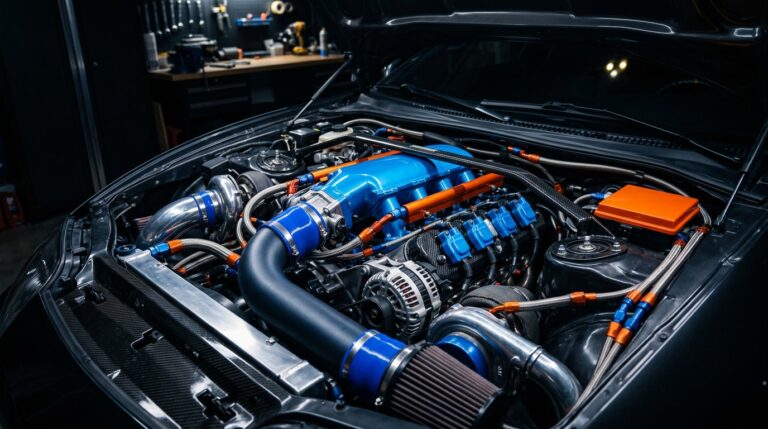
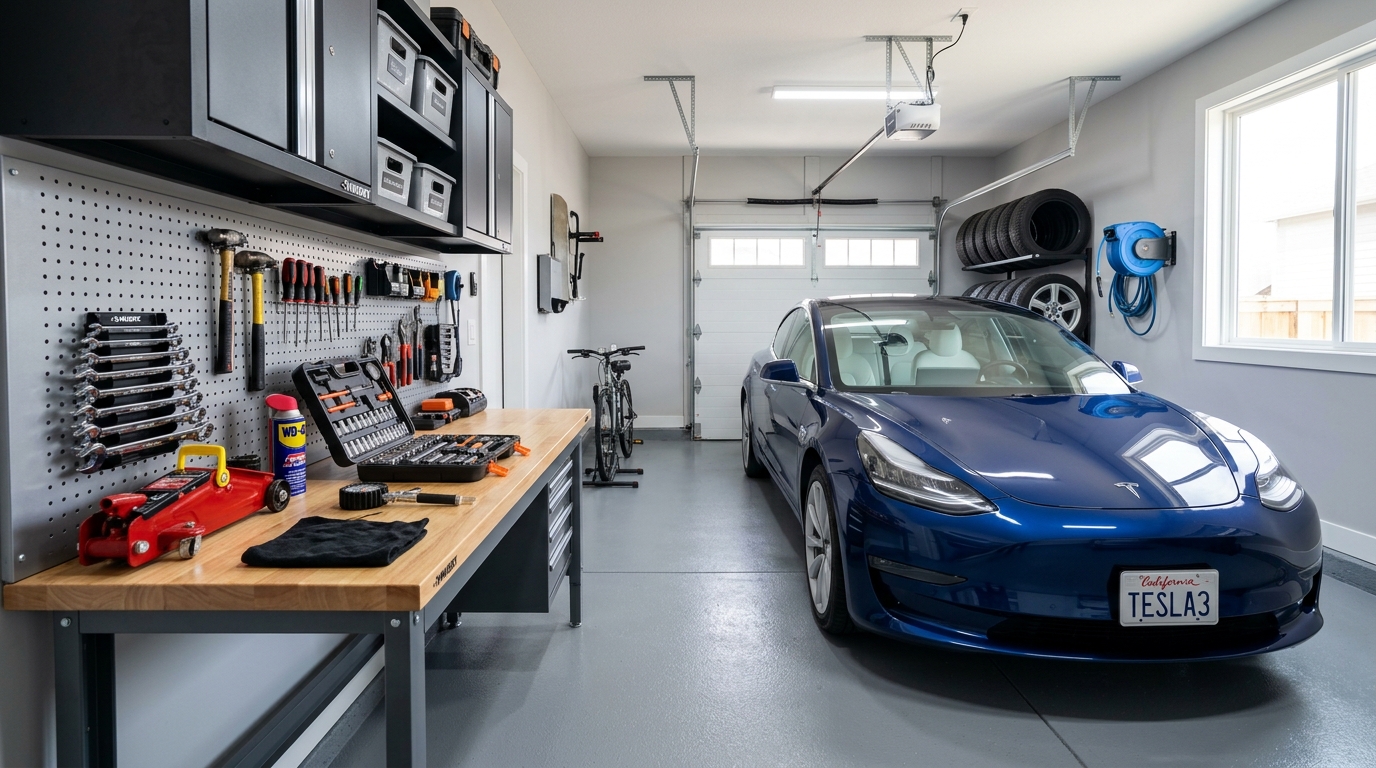
Owning a vehicle is a long-term investment, and like any valuable asset, it requires regular care to perform at its best. Many drivers delay maintenance to avoid immediate expenses, only to face far more costly repairs later. Preventive car maintenance focuses on identifying and addressing small issues before they develop into major mechanical problems. This proactive approach not only improves vehicle reliability but also helps reduce operating costs, extend the lifespan of the car, and preserve its resale value.
The True Cost of Delayed Maintenance
Ignoring routine maintenance may seem like a way to save money, but it often has the opposite effect. Small problems such as worn brake pads, dirty engine oil, or low coolant levels can quickly develop into serious mechanical failures if left unattended.
Replacing inexpensive components on schedule is usually far more affordable than repairing an engine, transmission, or braking system after significant damage has occurred.
Regular Oil Changes Protect the Engine
Engine oil lubricates moving parts, reduces friction, and helps control operating temperatures. As oil ages, it loses its effectiveness and allows dirt and contaminants to circulate through the engine.
Following the manufacturer’s recommended oil change schedule helps minimize engine wear, improve fuel efficiency, and reduce the risk of expensive repairs.
Readers interested in practical lifestyle advice, productivity tips, and informative articles across multiple subjects can also explore Past My Curfew at https://pastmycurfew.com/, where fresh educational content is published regularly.
Tire Maintenance Improves Efficiency
Proper tire maintenance plays an important role in reducing long-term vehicle expenses. Underinflated or unevenly worn tires increase rolling resistance, forcing the engine to consume more fuel.
Checking tire pressure regularly, rotating tires at recommended intervals, and maintaining proper wheel alignment help extend tire life while improving fuel economy and driving safety.
Preventing Major Brake Repairs
Brake systems naturally wear over time, but regular inspections help identify worn brake pads before they damage rotors or other braking components.
Replacing brake pads early is significantly less expensive than repairing an entire braking system. Proper brake maintenance also improves stopping performance, contributing to safer driving.
Readers who enjoy exploring articles covering business, technology, entertainment, and everyday lifestyle topics can also visit All The Rage Faces at https://alltheragefaces.com/, where engaging content is updated frequently.
Monitoring Essential Vehicle Fluids
Several fluids keep a vehicle operating efficiently, including coolant, transmission fluid, brake fluid, and power steering fluid. Low or contaminated fluids can lead to overheating, transmission damage, reduced braking performance, and steering problems.
Routine inspections allow drivers to detect leaks early and replace fluids before serious mechanical damage occurs.
Maintaining Higher Resale Value
Vehicles with documented maintenance histories are generally more attractive to potential buyers. A well-maintained car demonstrates responsible ownership and often commands a higher resale value than one with neglected service records.
Regular servicing also keeps the vehicle looking and performing better throughout its lifetime.
Reducing Unexpected Breakdowns
Unexpected breakdowns often result in towing charges, emergency repairs, lost time, and transportation inconvenience. Preventive maintenance greatly reduces the likelihood of roadside failures by identifying worn components before they fail.
Consistent inspections provide greater peace of mind, especially for drivers who regularly commute or travel long distances.
For readers seeking informative articles on business, technology, personal development, and lifestyle, Bajiroo at https://bajiroo.com/ offers a diverse collection of practical resources and educational content.
Conclusion
Preventive car maintenance is one of the smartest financial decisions any vehicle owner can make. Routine oil changes, tire care, brake inspections, fluid checks, and scheduled servicing help prevent costly repairs while improving safety, fuel efficiency, and vehicle reliability. Rather than waiting for expensive problems to appear, investing in regular maintenance allows drivers to save money over the long term while keeping their vehicles in excellent condition for years to come.