
As more of daily life moves online, from banking to shopping to social connection, personal devices have become prime targets for cyber threats. Fortunately, protecting yourself doesn’t require advanced technical knowledge, just a handful of consistent habits. Here are practical cybersecurity practices everyone should implement to keep their personal devices and data secure.
Strengthen Your Passwords
Use Strong, Unique Passwords
Reusing the same password across multiple accounts means a single breach can compromise everything. Creating unique, complex passwords for each account significantly reduces this risk.
Consider a Password Manager
Remembering dozens of unique, complex passwords isn’t realistic for most people. A password manager securely stores and generates strong passwords, making it easier to maintain good password hygiene without the mental burden.
Enable Two-Factor Authentication
Adding a second layer of verification, like a code sent to your phone, significantly strengthens account security, even if your password is somehow compromised.
Keep Software Updated
Install Updates Promptly
Software updates often include critical security patches that address known vulnerabilities. Delaying updates leaves devices exposed to threats that have already been identified and fixed.
Enable Automatic Updates When Possible
Turning on automatic updates for your operating system and apps ensures you’re protected without needing to remember to check manually.
Be Cautious with Public Wi-Fi
Avoid Sensitive Transactions on Public Networks
Public Wi-Fi networks are often less secure, making them a common target for attackers looking to intercept data. Avoiding banking or entering sensitive information while connected to public Wi-Fi reduces this risk.
Use a VPN for Added Protection
A virtual private network (VPN) encrypts your internet connection, providing an extra layer of security when using public or unfamiliar networks.
Recognize and Avoid Phishing Attempts
Be Skeptical of Unexpected Messages
Phishing attempts often mimic legitimate companies or contacts, urging you to click links or provide personal information. Being cautious of unexpected emails or messages, especially those creating urgency, helps avoid falling victim.
Verify Before Clicking
Hovering over links to check their actual destination, or navigating directly to a company’s website instead of clicking email links, helps avoid landing on malicious sites designed to steal information.
Protect Your Devices Physically and Digitally
Use Screen Locks and Biometric Security
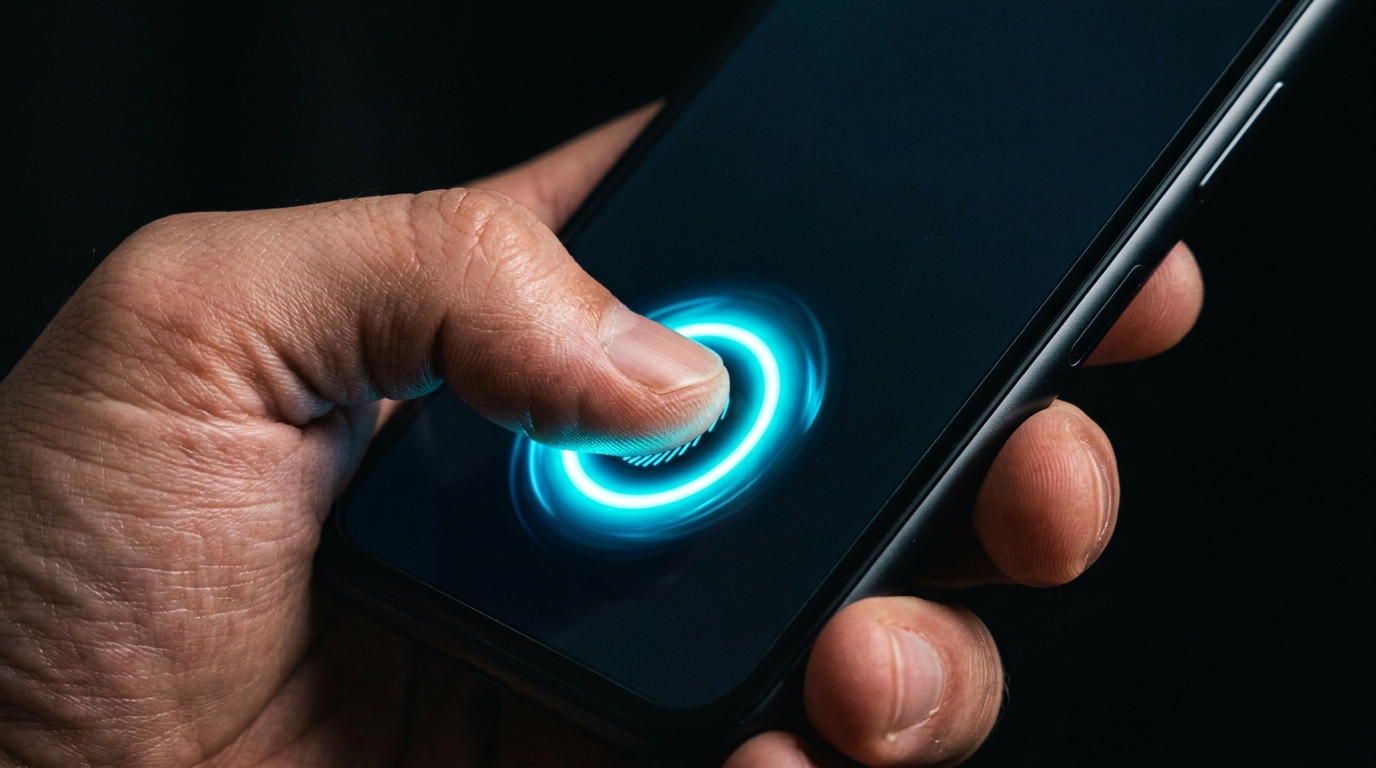
Enabling passcodes, fingerprint, or facial recognition locks on your devices adds a critical layer of protection if a device is lost or stolen.
Install Reputable Security Software
Antivirus and anti-malware software helps detect and block threats before they can compromise your device or data.
Be Mindful of App Permissions
Regularly reviewing what permissions apps have access to, like location, camera, or contacts, helps limit unnecessary exposure of your personal information.
Back Up Your Data Regularly
Protect Against Data Loss
Regular backups, whether to cloud storage or an external drive, protect against data loss from device failure, theft, or ransomware attacks.
Automate the Process
Setting up automatic backups removes the risk of forgetting, ensuring your important data remains protected consistently.
Practice Safe Browsing Habits
Stick to Secure, Reputable Websites
Look for secure connection indicators (like “https” and a padlock icon) when entering sensitive information online, and be cautious of unfamiliar or suspicious websites.
Limit Oversharing on Social Media
Being mindful of how much personal information you share publicly reduces the risk of that information being used for identity theft or targeted scams.
Final Thoughts
Strong cybersecurity doesn’t require constant vigilance or technical expertise, it requires building a handful of consistent habits into your routine. By strengthening passwords, staying current with updates, recognizing phishing attempts, and backing up your data regularly, you can significantly reduce your risk of falling victim to common cyber threats and keep your personal devices and information secure.