
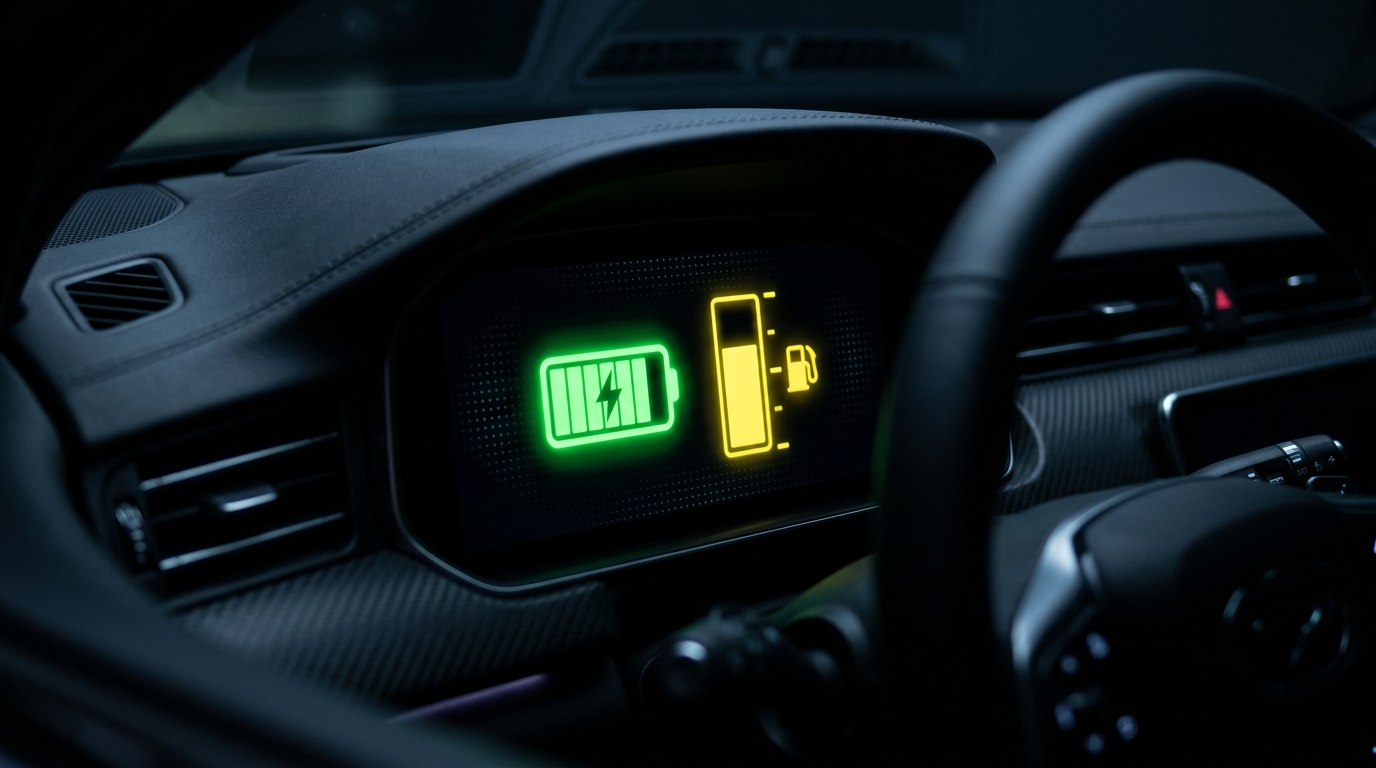
As more drivers look to cut fuel costs and reduce their environmental footprint, electric and hybrid vehicles have become two of the most popular alternatives to traditional gas-powered cars. But they work very differently, and the right choice depends on your driving habits, budget, and lifestyle. Here’s a breakdown to help you decide.
Understanding the Basics
What Is an Electric Vehicle (EV)?
Electric vehicles run entirely on battery power. There’s no gas engine, no tailpipe emissions, and no trips to the gas station. Instead, you plug in at home, at work, or at a public charging station to keep the battery topped up.
What Is a Hybrid Vehicle?
Hybrids combine a traditional gasoline engine with an electric motor and battery. The electric motor assists the engine to improve fuel efficiency, and in most hybrids, the battery recharges through regenerative braking rather than plugging in. Plug-in hybrids (PHEVs) offer a middle ground, allowing limited electric-only driving before the gas engine takes over.
Key Differences to Consider
Driving Range and Charging
EVs typically offer 200 to 300+ miles per charge, but “refueling” requires access to a charger and takes longer than a gas fill-up, especially with home charging overnight. Hybrids don’t have this limitation since they run on gasoline when the battery is depleted, making them a more seamless option for long road trips.
Upfront Cost
EVs generally have a higher purchase price, though this gap has been narrowing and can be offset by tax incentives in many regions. Hybrids tend to cost less upfront while still delivering better fuel economy than a standard gas car.
Running Costs
Electricity is usually cheaper than gasoline per mile, and EVs have fewer moving parts, meaning less maintenance (no oil changes, fewer brake replacements thanks to regenerative braking). Hybrids still require standard engine maintenance, though their fuel savings are meaningful compared to non-hybrid vehicles.
Environmental Impact
EVs produce zero tailpipe emissions, making them the cleaner option, particularly if charged with renewable energy. Hybrids reduce emissions compared to gas cars but still burn fuel, so they don’t match the environmental benefits of a fully electric vehicle.
Which One Fits Your Lifestyle?
Choose an EV If:
- You have reliable access to home or workplace charging
- Most of your driving is local or within your vehicle’s range
- You want the lowest possible running costs and emissions
- You’re comfortable planning ahead for longer trips
Choose a Hybrid If:
- You frequently drive long distances without easy charging access
- You want better fuel economy without changing your driving habits
- You prefer a lower upfront cost with less range anxiety
- You’re not ready to fully commit to an electric-only lifestyle
Final Thoughts
There’s no universal right answer — it comes down to how and where you drive. If your daily routine fits within an EV’s range and you have consistent charging access, an electric vehicle offers the lowest long-term costs and the smallest environmental footprint. If you need flexibility for long trips or don’t have reliable charging, a hybrid offers a practical middle ground between fuel savings and convenience. Either way, both options are a step up from traditional gas vehicles in efficiency and environmental impact.