
Traveling for the first time, whether internationally or simply to an unfamiliar city, comes with a mix of excitement and uncertainty. While most trips go smoothly, understanding basic safety practices helps first-time travelers navigate unfamiliar environments with more confidence and fewer unexpected challenges. Here are essential safety tips to keep in mind.
Before You Leave
Research Your Destination Thoroughly
Understanding local customs, common scams, safe versus less safe areas, and general cultural norms helps you avoid unintentional missteps and recognize potential red flags once you arrive.
Share Your Itinerary with Someone at Home
Leaving a copy of your travel plans, accommodation details, and flight information with a trusted friend or family member ensures someone knows your whereabouts throughout your trip.
Make Copies of Important Documents
Keeping physical and digital copies of your passport, ID, and travel insurance information, stored separately from the originals, makes recovery significantly easier if documents are lost or stolen.
Consider Travel Insurance
Travel insurance can provide critical support in situations involving medical emergencies, trip cancellations, or lost belongings, offering peace of mind for unexpected disruptions.
Managing Money Safely
Avoid Carrying Large Amounts of Cash
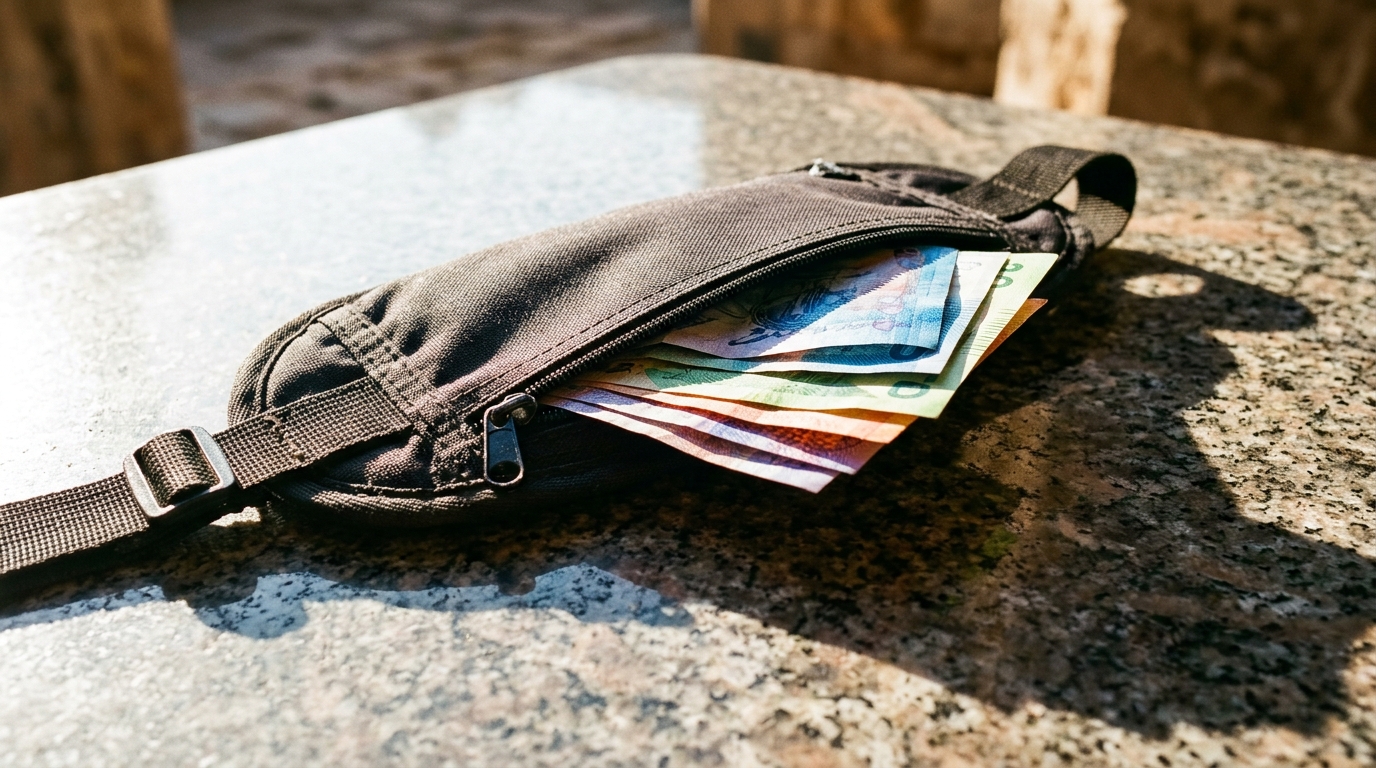
Spreading money across a few different, secure locations, rather than carrying everything in one place, reduces risk if a wallet or bag is lost or stolen.
Notify Your Bank Before Traveling
Informing your bank of your travel dates and destinations helps prevent your card from being flagged or frozen due to unexpected international activity.
Use ATMs Located in Secure, Well-Lit Areas
Choosing ATMs inside banks or reputable establishments, rather than isolated street locations, reduces the risk of card skimming or theft.
Staying Safe While Exploring
Stay Aware of Your Surroundings
Remaining alert, particularly in crowded areas like markets, public transportation, or tourist attractions, helps you notice and avoid common pickpocketing or scam tactics.
Research Trustworthy Transportation Options
Understanding which transportation options are considered safe and reliable in your destination, and avoiding unofficial or unmarked services, reduces risk when getting around.
Avoid Displaying Valuables Openly
Keeping expensive jewelry, electronics, or large amounts of cash out of sight helps you avoid becoming an obvious target in unfamiliar environments.
Trust Your Instincts
If a situation or location feels off, it’s generally wise to remove yourself rather than second-guessing that instinct, even if you can’t immediately identify why something feels wrong.
Health and Emergency Preparedness
Know Local Emergency Numbers
Familiarizing yourself with local emergency contact numbers before you arrive ensures you’re prepared to act quickly if a health or safety issue arises.
Locate Nearby Medical Facilities
Knowing the location of hospitals or clinics near your accommodation provides peace of mind and saves valuable time in the event of a medical need.
Pack a Basic Health Kit
Bringing essential medications, basic first-aid supplies, and any necessary prescriptions helps you handle minor health issues without unnecessary stress.
Digital and Communication Safety
Use Secure Wi-Fi Practices
Avoiding sensitive transactions on public Wi-Fi, and using a VPN when necessary, helps protect your personal information while traveling.
Keep Communication Devices Charged
Carrying a portable charger ensures you’re never left without a way to communicate or access important information when you need it most.
Final Thoughts
Traveling for the first time doesn’t need to feel overwhelming when you approach it with reasonable preparation and awareness. By researching your destination, safeguarding important documents and money, and staying alert to your surroundings, you can focus on enjoying the experience while minimizing the risks that come with navigating unfamiliar places.