
A strong immune system relies on more than just avoiding germs, it’s significantly influenced by the nutrients you consume regularly. While no single food acts as a magic shield against illness, a diet rich in specific vitamins, minerals, and antioxidants can support your body’s natural defenses. Here’s a look at some of the most beneficial foods for immune health.
Vitamin C Powerhouses
Citrus Fruits
Oranges, grapefruits, and lemons are well known for their high vitamin C content, an antioxidant that supports the production and function of white blood cells, key players in fighting infection.
Bell Peppers
Often overlooked, bell peppers, especially red varieties, actually contain even more vitamin C per serving than many citrus fruits, along with beta-carotene, which supports skin and eye health.
Foods Rich in Zinc
Shellfish and Lean Meats
Zinc plays a crucial role in immune cell development and communication. Foods like oysters, crab, and lean beef offer some of the highest natural sources of this essential mineral.
Pumpkin Seeds and Legumes
For plant-based options, pumpkin seeds, lentils, and chickpeas provide meaningful amounts of zinc alongside fiber and plant protein.
Probiotic and Gut-Supporting Foods
Yogurt and Fermented Foods
A significant portion of immune function is connected to gut health. Yogurt with live active cultures, along with fermented foods like kimchi and sauerkraut, support a healthy balance of gut bacteria linked to immune regulation.
Garlic
Garlic contains compounds like allicin, which have been studied for their potential immune-supporting and antimicrobial properties.
Antioxidant-Rich Foods
Berries
Blueberries, strawberries, and other berries are packed with antioxidants that help combat oxidative stress, which can otherwise weaken immune response over time.
Leafy Greens
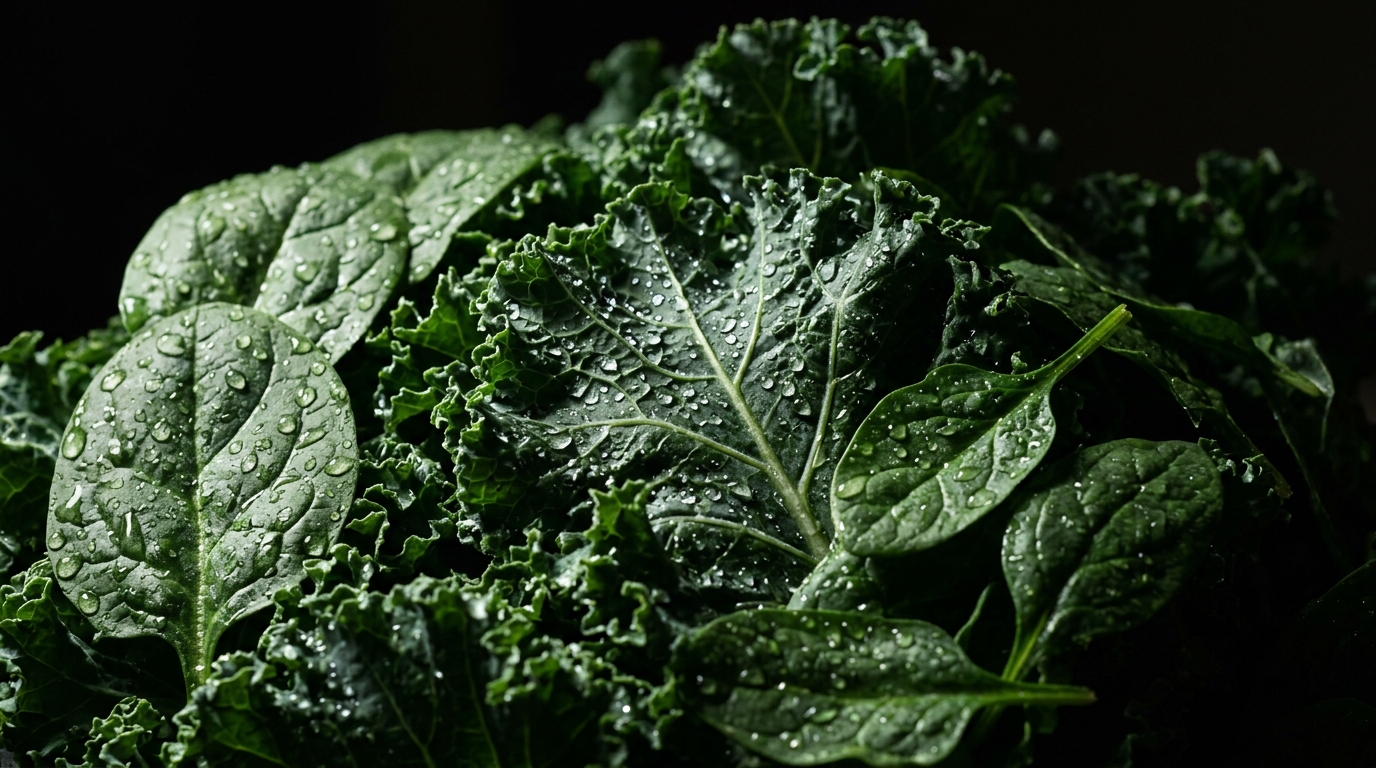
Spinach, kale, and other leafy greens provide a combination of vitamins C and E, along with beta-carotene and fiber, supporting overall immune and cellular health.
Healthy Fats and Vitamin D Sources
Fatty Fish
Salmon, mackerel, and sardines offer omega-3 fatty acids, which help reduce inflammation, along with vitamin D, a nutrient closely linked to immune regulation.
Fortified Foods and Egg Yolks
For those with limited sun exposure, fortified foods and egg yolks can help supplement vitamin D intake, supporting immune function alongside other dietary sources.
Foods Rich in Vitamin E
Nuts and Seeds
Almonds, sunflower seeds, and other nuts provide vitamin E, an antioxidant that helps protect immune cells from damage caused by free radicals.
Building a Balanced Approach
Variety Matters More Than Any Single Food
No single food can single-handedly prevent illness. A varied diet incorporating a range of these immune-supporting foods offers more comprehensive benefits than focusing heavily on just one or two items.
Whole Foods Over Supplements
While supplements have their place, particularly for specific deficiencies, whole foods generally provide a more balanced combination of nutrients that work synergistically to support immune health.
Consistency Over Time
Immune-supporting nutrition works best as a consistent, long-term dietary pattern rather than a short-term fix during illness. Building these foods into your regular routine offers more meaningful support than occasional consumption.
Final Thoughts
While diet alone can’t guarantee you’ll avoid getting sick, consistently including immune-supporting foods, rich in vitamins C, D, E, zinc, and antioxidants, gives your body valuable tools to function at its best. Combined with other healthy habits like adequate sleep and regular exercise, thoughtful nutrition plays a meaningful role in supporting your body’s natural defenses.