
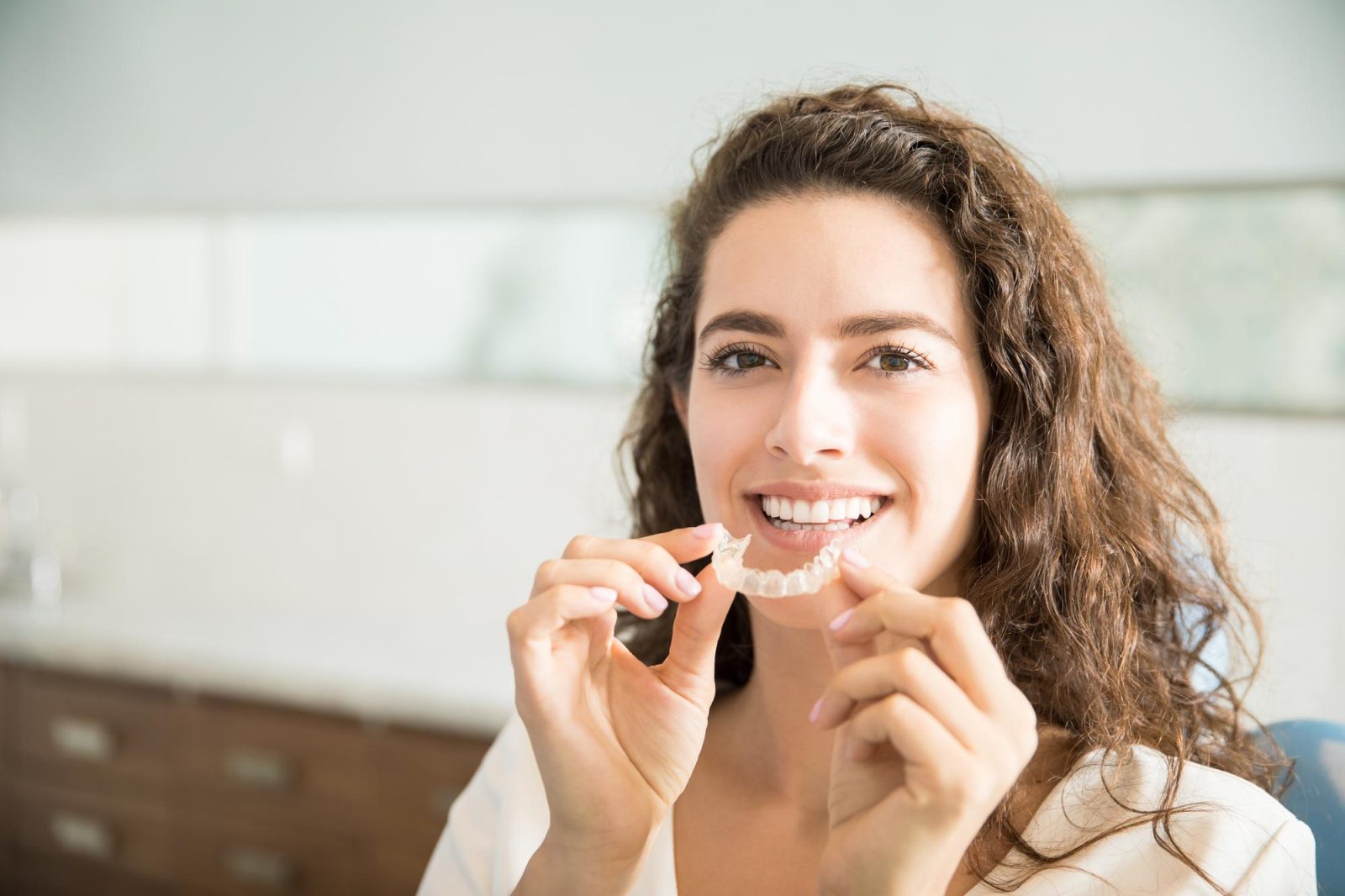
Invisalign treatment offers an alternative to traditional metal braces for people who want to improve the alignment of their teeth with a more discreet orthodontic option. Instead of using brackets and wires, the treatment uses a series of clear, removable aligners that gradually guide the teeth into their planned positions. Those considering Invisalign treatment at dePacific Dental can benefit from a professional consultation to assess their orthodontic needs and determine whether clear aligners are suitable for their teeth. While the aligners are designed to fit into everyday routines, starting treatment still requires preparation and a clear understanding of what the process involves.
An Initial Assessment Is Important
Before Invisalign treatment begins, an orthodontic assessment is necessary to determine whether clear aligners are suitable for the patient’s needs. The dentist or orthodontist may examine the teeth, gums, bite and jaw alignment. Digital scans, photographs or dental X-rays may also be used to create a detailed view of the mouth.
The assessment helps identify existing dental concerns that may need attention before orthodontic treatment starts. Cavities, gum problems or other oral health issues may need to be addressed first. A professional evaluation also allows the provider to determine whether Invisalign can address the patient’s specific alignment concerns or whether another orthodontic approach would be more appropriate.
Treatment Plans Are Personalised
Invisalign does not follow a single treatment plan for every patient. The number of aligners, treatment duration and expected tooth movement depend on the individual’s dental structure and treatment goals.
Some patients may need only minor adjustments, while others may require more extensive correction. The treatment plan is typically created using digital technology that allows the provider to map out the anticipated movement of the teeth.
A digital preview can help patients understand the intended direction of treatment. However, the outcome can vary because tooth movement depends on factors such as individual anatomy, consistency in wearing the aligners and the complexity of the case.
Aligners Need Consistent Wear
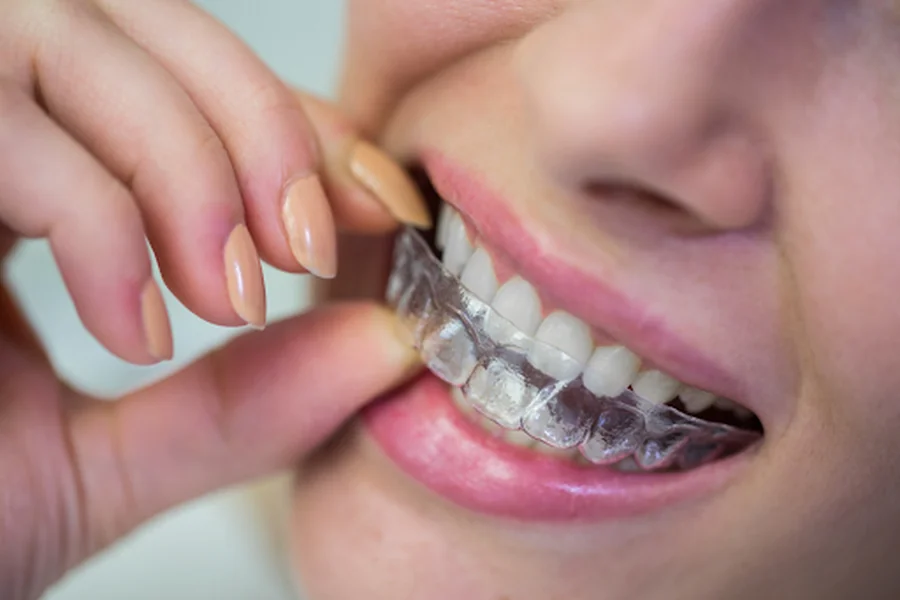
One of the most important responsibilities during Invisalign treatment is wearing the aligners as directed. Unlike fixed braces, clear aligners can be removed, which gives patients greater flexibility. However, that flexibility also requires discipline.
Patients generally need to wear their aligners for most of the day and remove them mainly for eating, drinking certain beverages and cleaning their teeth. If the aligners are frequently left out for long periods, the teeth may not move according to the planned schedule.
Consistent wear also helps each set of aligners work as intended before the patient progresses to the next stage. Following the provider’s instructions can therefore have a significant effect on treatment progress.
Oral Hygiene Remains Essential
Keeping the teeth and aligners clean is an important part of Invisalign treatment. Food particles and bacteria can become trapped between the teeth and aligners, increasing the risk of plaque build-up and dental problems.
Regular brushing and flossing should continue throughout treatment. The aligners should also be cleaned according to the provider’s instructions. Proper hygiene helps keep the mouth comfortable and can prevent the aligners from developing unpleasant odours or becoming cloudy.
Patients who already have an established oral care routine may find it easier to incorporate aligner cleaning into their daily schedule.
Some Discomfort Can Be Expected
Although Invisalign aligners are generally designed for comfort, patients may experience pressure or mild soreness when starting a new set. This sensation is often associated with the gradual movement of the teeth.
The first few days with a new aligner may require an adjustment period. Patients may also notice minor changes in speech while becoming accustomed to having the aligners in their mouth. These effects often become less noticeable as the mouth adjusts.
Persistent or severe discomfort should not be ignored. A dental professional can determine whether an aligner needs adjustment or whether another issue is contributing to the problem.
Follow-Up Appointments Matter
Invisalign treatment involves more than simply receiving a series of aligners. Regular appointments allow the dentist or orthodontist to monitor progress and determine whether the teeth are moving as expected.
Follow-up visits may also be used to provide additional aligners, assess oral health and make changes to the treatment plan when necessary. Patients should attend these appointments even when treatment appears to be progressing normally.
Results Depend on Patient Commitment
Clear aligners can provide an effective way to address many alignment and bite concerns, but the treatment requires active participation. Wearing the aligners consistently, maintaining good oral hygiene, attending appointments and following professional instructions all contribute to the overall process.
Patients should also understand that orthodontic treatment takes time. Teeth cannot be safely moved into their final positions overnight, and treatment schedules vary from person to person.
Retainers May Be Needed After Treatment
Completing the final Invisalign aligner does not necessarily mean the orthodontic journey is over. Teeth can gradually shift after treatment, particularly if they are not supported in their new positions.
A retainer may therefore be recommended after the active treatment phase. Wearing a retainer as instructed can help maintain the alignment achieved during treatment.
Understanding the retention phase before starting Invisalign can help patients view orthodontic care as a long-term commitment rather than a process that ends with the final aligner.
Conclusion
Invisalign can offer a discreet and convenient approach to orthodontic treatment, but it still requires planning, consistency and professional supervision. An initial assessment can determine whether clear aligners are appropriate, while a personalised treatment plan provides a clearer idea of what the process may involve.
Patients who understand the importance of wearing their aligners, maintaining oral hygiene, attending follow-up appointments and using retainers after treatment are better prepared for the responsibilities involved. With realistic expectations and proper professional guidance, Invisalign treatment can become a manageable part of a patient’s daily routine while working towards a healthier, more aligned smile.