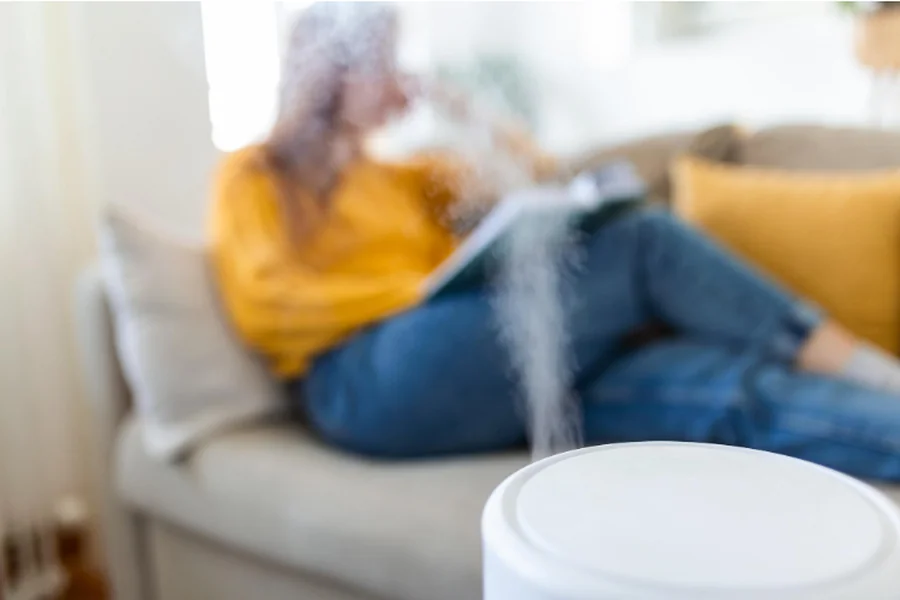
Maintaining suitable indoor humidity is an important part of creating a comfortable home environment. Excess moisture can make rooms feel warm and damp while encouraging the growth of mould, mildew, and dust mites. It can also affect furniture, walls, flooring, and other household materials over time. For these reasons, using a dehumidifier for living room spaces can help control moisture and maintain a more balanced indoor environment.
Understanding Indoor Humidity
Humidity refers to the amount of water vapour in the air. Indoor humidity is generally considered comfortable when it remains between 30% and 50%. Levels above this range can make the air feel sticky and may create conditions that support mould and dust mite growth.
A dehumidifier removes excess moisture from the air and helps maintain a more suitable humidity level. This can make indoor spaces more comfortable while reducing some of the problems associated with excessive moisture.
Health Benefits of a Dehumidifier
High humidity can contribute to conditions that allow mould and dust mites to thrive. These can become sources of allergens that may affect people with allergies, asthma, or other respiratory sensitivities.
By reducing excess moisture, a dehumidifier can help create an environment that is less favourable to mould and dust mites. Although it does not replace proper cleaning or medical treatment, humidity control can be one part of maintaining better indoor air conditions.
Protecting the Home and Household Items
Excess moisture can affect more than indoor comfort. Prolonged exposure to damp conditions may cause problems such as peeling paint, warped wood, damaged flooring, and deterioration of furniture. Moisture can also contribute to mould growth on walls and other surfaces.
Using a dehumidifier can help control indoor moisture before it contributes to these problems. This can help protect the condition of the home and extend the usable life of furniture, fixtures, and other household belongings.
Supporting Energy Efficiency
Humidity can influence how warm a room feels. When indoor air contains too much moisture, occupants may feel warmer and rely more heavily on air conditioning to stay comfortable.
A dehumidifier can help reduce excess moisture, allowing the indoor environment to feel more comfortable. In some situations, this may reduce the need for continuous or heavy air-conditioning use. However, the actual energy savings depend on factors such as the dehumidifier’s efficiency, room conditions, and how often it is used.
Features to Consider
When choosing a dehumidifier, homeowners should consider the needs of the room and the amount of moisture that needs to be removed. Several features can help determine whether a particular model is suitable.
- Capacity: The unit should have enough moisture-removal capacity for the size and conditions of the room.
- Energy efficiency: An efficient model can help manage operating costs during regular use.
- Noise level: Quieter operation may be preferable for living rooms, bedrooms, and other frequently occupied spaces.
- Controls and settings: Automatic humidity settings and simple controls can make the unit easier to operate.
- Maintenance: Accessible filters, water tanks, and other components can make regular cleaning and upkeep more convenient.
Proper Placement and Maintenance
Correct placement can affect how effectively a dehumidifier works. The unit should have enough space around its air intake and outlet to allow proper airflow. It should also be positioned in an area where it can effectively address the source or concentration of excess moisture.
Regular maintenance is equally important. Filters should be cleaned or replaced according to the manufacturer’s instructions, while water collection tanks should be emptied and cleaned when necessary. Keeping the unit clean can help maintain its performance and prevent unwanted odours.
Modern Dehumidifier Technology
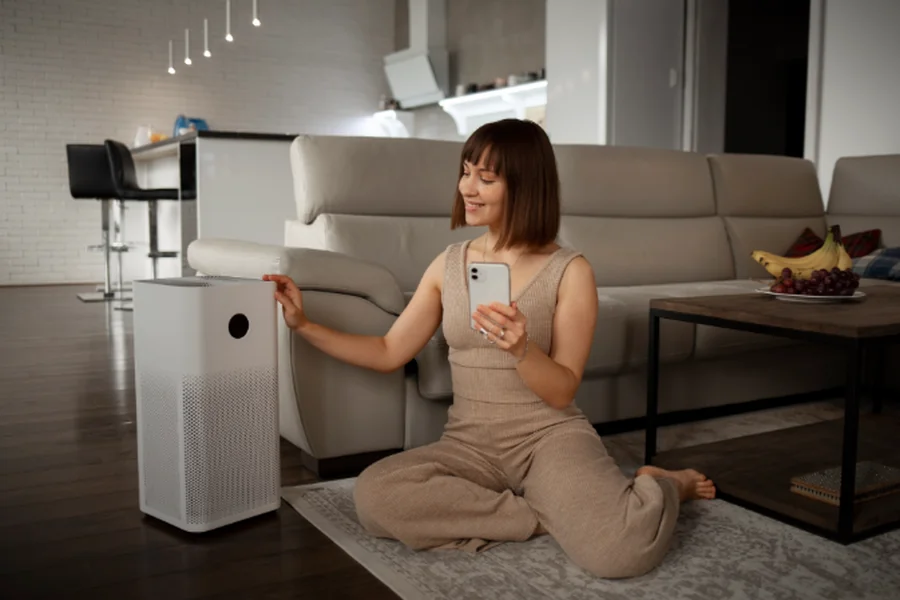
Many modern dehumidifiers include features designed to make humidity control more convenient. Built-in hygrometers can monitor moisture levels, while automatic controls can adjust operation based on the selected humidity setting.
Some models also offer Wi-Fi connectivity and smartphone controls, allowing users to monitor and adjust the unit remotely. These features can be useful for homeowners who want greater control over indoor humidity without constantly adjusting the device manually.
Improving Overall Home Comfort
Controlling excess humidity can contribute to a more comfortable indoor environment. A room with balanced humidity is less likely to feel excessively damp or sticky, which can make everyday activities more pleasant.
For living rooms, where people often spend extended periods, maintaining suitable humidity can be particularly useful. A properly selected and maintained dehumidifier can support indoor comfort while also helping to manage moisture-related concerns.
Choosing the Right Dehumidifier
Selecting a suitable dehumidifier requires consideration of the room’s size, humidity level, ventilation, and moisture sources. Smaller units may be appropriate for individual rooms, while larger models may be better suited to spacious or open-plan areas.
Homeowners should also consider how frequently the unit will be used and which features are most relevant to their needs. Comparing capacity, energy efficiency, noise levels, controls, and maintenance requirements can help identify an appropriate model.
A dehumidifier can be a practical addition to a home where excess moisture is an ongoing concern. By helping regulate humidity, it can support indoor comfort, reduce conditions that encourage mould and dust mites, and help protect household surfaces and belongings. Choosing the right unit and maintaining it properly can make humidity management more effective over the long term.