
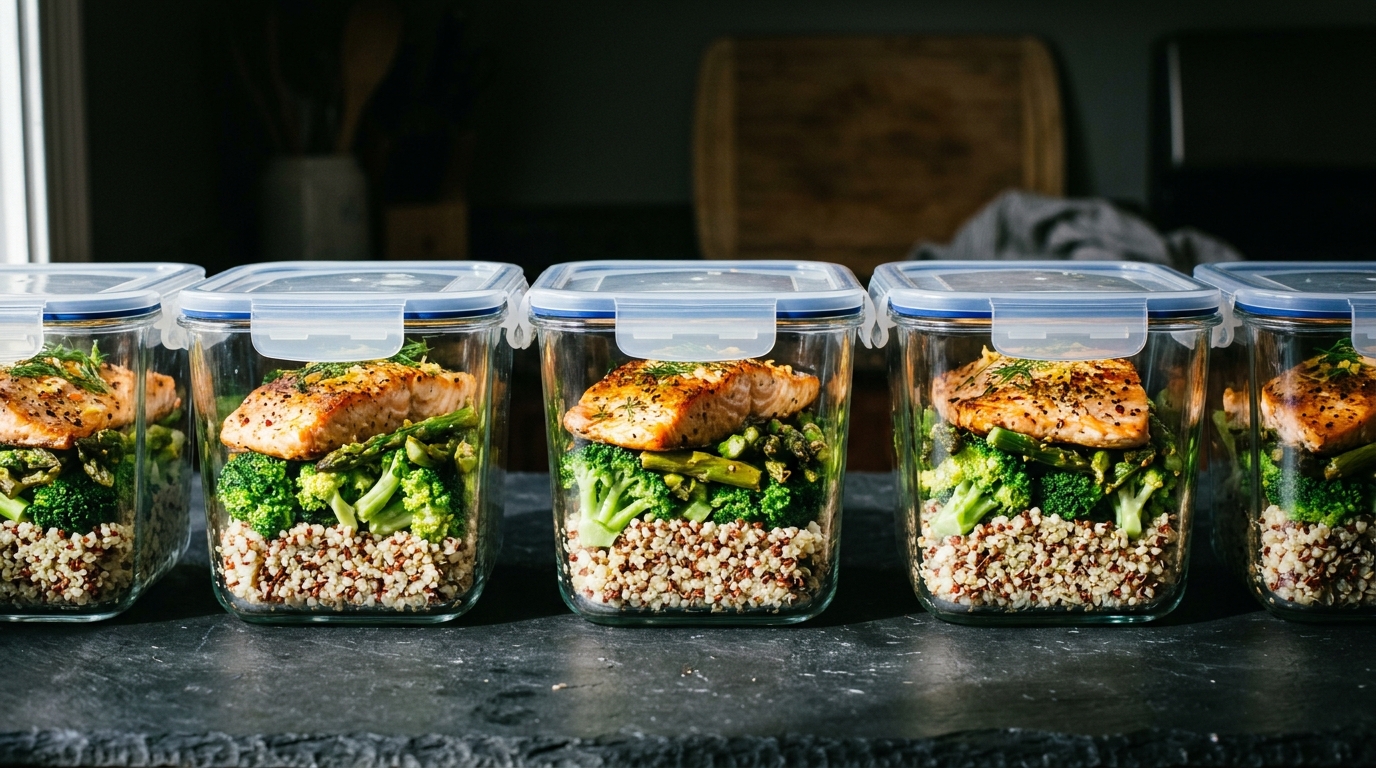
Between long work hours, meetings, and packed schedules, finding time to eat well can feel nearly impossible. Meal prepping offers a practical solution, allowing busy professionals to eat healthier without sacrificing significant time during the week. With the right approach, a few hours of preparation can set you up for consistent, nutritious meals all week long.
Why Meal Prep Works for Busy Schedules
Reducing Daily Decision Fatigue
When healthy meals are already prepared, you eliminate the daily struggle of deciding what to eat, especially during stressful or exhausting workdays when convenience foods become tempting.
Saving Time and Money
Preparing meals in bulk reduces the time spent cooking each day and often costs significantly less than regularly ordering takeout or dining out.
Getting Started with Meal Prep
Choose a Consistent Prep Day
Setting aside a specific block of time each week, often a weekend afternoon, creates a reliable routine that makes meal prep feel manageable rather than overwhelming.
Start Simple
Beginners often overcomplicate meal prep. Starting with just two or three easy recipes you can rotate through builds confidence before expanding to more variety.
Smart Meal Prep Strategies
Batch Cook Proteins and Grains
Cooking larger portions of proteins like chicken, ground turkey, or tofu, along with grains like rice or quinoa, gives you flexible building blocks that can be mixed and matched throughout the week.
Prep Components, Not Just Full Meals
Rather than preparing entire identical meals, prepping individual components, proteins, grains, vegetables, and sauces separately allows you to combine them differently each day, reducing meal fatigue.
Use the “Assembly Line” Method
Preparing multiple meals simultaneously by cooking similar components together (all your proteins at once, then all your vegetables) is more time-efficient than preparing each meal individually.
Incorporate Sheet Pan and One-Pot Meals
These methods minimize cleanup and cooking time while still allowing you to prepare balanced, nutritious meals with proteins, vegetables, and grains cooked together.
Keeping Meals Nutritious and Satisfying
Balance Your Plate
Aim to include a source of protein, fiber-rich carbohydrates, and vegetables in each meal to keep you satisfied and support stable energy levels throughout the workday.
Don’t Neglect Flavor
Bland meals are harder to stick with long-term. Using a variety of herbs, spices, and sauces keeps prepped meals interesting rather than monotonous.
Include Healthy Snacks
Prepping portioned snacks like nuts, cut vegetables, or hard-boiled eggs helps avoid reaching for less nutritious options during busy afternoons.
Practical Storage Tips
Invest in Quality Containers
Good-quality, portion-sized containers make it easier to grab meals quickly and help food stay fresh throughout the week.
Know What Freezes Well
Not every dish holds up well in the fridge for a full week. Learning which meals freeze well allows you to prep further in advance and reduce food waste.
Label and Date Your Meals
Simple labeling helps you keep track of freshness and ensures you’re eating meals in a reasonable timeframe.
Making Meal Prep Sustainable
Keep It Realistic
Meal prep doesn’t need to mean preparing every single meal for the week. Even prepping lunches or a few dinners can significantly reduce daily stress and improve eating habits.
Adjust Based on Your Schedule
If a particular week is unusually busy, simplifying your meal prep, focusing on just proteins and grains, for example, keeps the habit sustainable rather than abandoning it altogether.
Final Thoughts
Meal prepping offers busy professionals a practical way to prioritize health without requiring hours of daily cooking. By starting simple, batch cooking versatile components, and building a routine that fits realistically into your schedule, you can consistently eat well, even during the busiest weeks, without sacrificing time or sanity.