If one room always feels cold while another gets stuffy, it is easy to assume you need separate equipment for every season. A heat pump takes a different approach. Instead of using one system to make heat and another to remove it, the same equipment can handle both jobs.
That is possible because a heat pump does not create most of the heat it delivers. It moves heat from one place to another. In winter, it brings available outdoor heat inside. In summer, it reverses direction and carries indoor heat outside. The result is one system designed for year-round comfort.
How Does a Heat Pump Move Heat Instead of Making It?
The basic science is simpler than it sounds. A heat pump uses refrigerant, pressure changes, coils, and a compressor to control where heat goes.
A heat pump can move heat in both directions, which is why it can serve as both a heating and cooling system.
What Does the Refrigerant Do?
Refrigerant absorbs and releases heat as it changes pressure and temperature inside a closed loop. The compressor raises the refrigerant pressure, while the indoor and outdoor coils give the system places to absorb or release heat.
Why Is the Reversing Valve Important?
The reversing valve changes the direction of refrigerant flow. That single change allows the same equipment to switch from warming the home to cooling it.
Why Do Heat Pumps Work Well for Everett Homes?
Everett homeowners often need reliable winter heating without giving up summer cooling. A properly selected heat pump can cover both needs with one main system.
For homeowners comparing options, professional heat pump installation in Everett can help match the equipment to the home’s size, ductwork, electrical capacity, insulation, and comfort needs.
Sizing Matters More Than Simply Buying a Larger Unit
An oversized system may reach the thermostat setting quickly but cycle on and off too often. An undersized unit may run for long periods without keeping up. Proper sizing helps the heat pump maintain steadier temperatures and operate as intended.
Experienced HVAC Contractors should consider the whole house rather than choosing equipment based on square footage alone. Windows, insulation, air leakage, room layout, duct condition, and existing electrical service can all affect the final recommendation.
What Happens When a Heat Pump Is in Heating Mode?
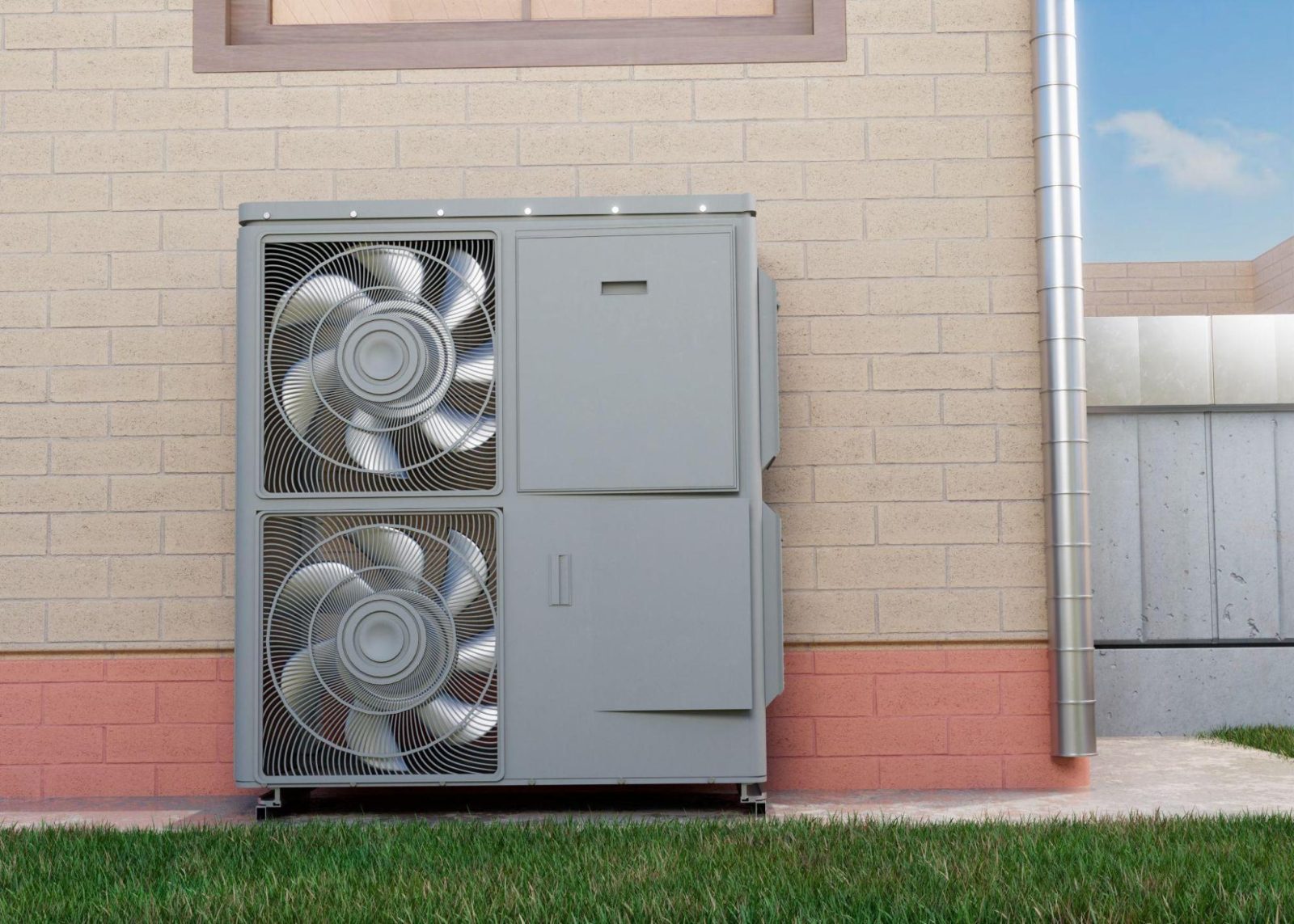
In heating mode, the outdoor coil absorbs heat from the air outside. Even when the weather feels cold, the air still contains usable heat energy.
The refrigerant carries that heat to the compressor, where its pressure and temperature rise. It then moves to the indoor coil, where the heat is released into the air circulating through the home.
Does a Heat Pump Still Work When It Is Cold Outside?
Yes. Modern heat pumps can continue operating in cold weather, although performance varies by model and outdoor temperature. Some systems use electric backup heat, while others are paired with a furnace in a dual-fuel setup.
The important point is that a heat pump is still moving available heat rather than relying only on resistance heating or combustion.
How Does a Heat Pump Cool a Home?
Cooling mode is essentially the heating process in reverse.
The reversing valve changes refrigerant flow so the indoor coil absorbs heat from inside the house. The refrigerant then carries that heat outdoors, where the outdoor coil releases it.
Is Cooling Mode Different From Central Air Conditioning?
The cooling process is very similar. Both systems remove heat from indoor air and transfer it outside. The difference is that a heat pump can reverse the process when temperatures drop, while a conventional air conditioner is built only for cooling.
That two-way operation is what makes a heat pump useful throughout the year.
What Benefits Do Homeowners Notice Most?
Efficiency is one advantage, but comfort is often what homeowners notice first. Heat pumps commonly operate in longer, steadier cycles instead of producing short bursts of very hot or very cold air.
More Even Indoor Temperatures
Longer operating cycles can reduce noticeable temperature swings. Rooms may feel more consistent, especially when the system is correctly sized and the ductwork distributes air evenly.
Cooling and Humidity Control in One System
During warm weather, a heat pump removes indoor heat and also helps remove moisture from the air. That can make the home feel more comfortable without constantly lowering the thermostat.
Fewer Separate Systems to Manage
A heat pump can reduce the need for separate heating and cooling equipment. That does not mean the system is maintenance-free, but it does simplify the basic job of controlling indoor temperature throughout the year.
What Keeps a Heat Pump Working Efficiently?
A heat pump depends on good airflow. Dirty filters, blocked vents, debris around the outdoor unit, or dirty coils can make heat transfer harder than it needs to be.
Maintaining proper airflow across coils is important because restricted airflow can interfere with the heat-exchange process.
Simple Care Homeowners Can Handle
Check the air filter regularly and replace or clean it when needed. Keep leaves, grass, snow, and other debris away from the outdoor unit. Make sure supply and return vents are not blocked by furniture or rugs.
Routine HVAC Maintenance can also catch problems that are harder to spot, including refrigerant issues, electrical wear, drainage problems, sensor faults, or declining airflow.
Warning Signs Should Not Be Ignored
Weak airflow, unusual noises, ice buildup, short cycling, musty odors, or a sudden increase in energy use can signal a problem. If the system is no longer heating or cooling normally, professional HVAC Repair may be safer and more effective than repeated thermostat adjustments.
What Should You Look for Before Installing a Heat Pump?
A good heat pump is only as effective as the installation behind it.
Check the Home Before Choosing Equipment
A contractor should review insulation, windows, ductwork, electrical capacity, room layout, and comfort problems before recommending a system. Homes without usable ductwork may be better suited to ductless equipment, while homes with existing ducts may support a central heat pump.
Ask How Cold-Weather Performance Is Handled
Not every heat pump performs the same way at low outdoor temperatures. Ask about the unit’s heating capacity, whether backup heat is recommended, and how the system will be controlled during colder weather.
Make Sure Installation Details Are Addressed
Outdoor-unit clearance, refrigerant charge, drainage, thermostat setup, electrical connections, airflow, and permitting can all affect reliability. A strong installation should account for these details before the system is turned over to the homeowner.
Frequently Asked Questions About Heat Pumps
Can One Heat Pump Really Replace Both a Furnace and an Air Conditioner?
In many homes, yes. A heat pump can provide both heating and cooling by reversing the direction of heat transfer. Whether it can fully replace a furnace depends on the home, climate, equipment selected, and whether backup heat is needed.
Why Does a Heat Pump Sometimes Blow Air That Feels Less Hot Than Furnace Air?
Heat pumps often deliver warm air at a lower temperature than combustion furnaces. They usually compensate by running longer and more steadily. The air may feel less intense at the vent even though the room is being heated effectively.
Why Does My Heat Pump Run for Long Periods?
Longer cycles can be normal, especially with variable-speed equipment. Heat pumps are designed to maintain temperature gradually rather than constantly starting and stopping. A sudden change in run time, however, may point to airflow, thermostat, refrigerant, or equipment issues.
Do Heat Pumps Need Maintenance in Both Heating and Cooling Seasons?
Yes. Because the same system works throughout the year, it should be checked regularly. Filters, coils, drains, electrical components, refrigerant performance, and airflow all affect how efficiently the unit can transfer heat.
How Long Does a Heat Pump Usually Last?
Service life varies with equipment quality, installation, climate, usage, and maintenance. Regular care and early attention to operating problems can help reduce unnecessary strain and support longer system life.
Final Thoughts
A heat pump provides heating and cooling through the same basic process: moving heat. In winter, it transfers available heat indoors. In summer, it reverses direction and sends indoor heat outside.
For homeowners, the biggest difference comes from choosing the right system and installing it correctly. Proper sizing, airflow, controls, ductwork, electrical preparation, and routine care all influence how comfortable and efficient the system feels from season to season.