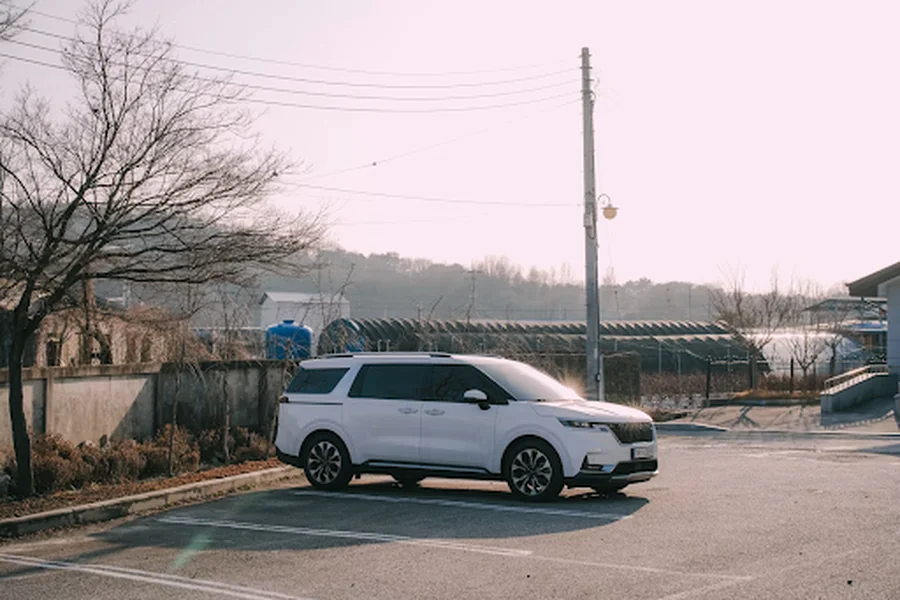
Electric vehicles are becoming an increasingly practical option for families looking for efficient and spacious transportation. Among the different types of electric vehicles available, multi-purpose vehicles (MPVs) stand out for their combination of passenger capacity, flexible interiors, and everyday practicality.
Electric MPVs bring the familiar benefits of the traditional family vehicle into the electric vehicle market. With improvements in battery technology, charging systems, comfort, and safety, these vehicles are designed to support a wide range of family transportation needs. A GAC EV MPV offers families an option to consider when looking for an electric vehicle that combines passenger space, everyday practicality, and modern technology.
The Evolution of Electric MPVs
MPVs have traditionally been valued for their ability to carry several passengers while providing flexible interior space. Their tall body design and configurable seating make them suitable for families who need more room than a standard passenger car can provide.
The move towards electric power has introduced new considerations, particularly around battery capacity, driving range, and charging. Continued improvements in electric vehicle technology have helped make electric MPVs more practical for both daily journeys and longer trips.
Electric Power and Efficiency
Electric MPVs use battery-powered motors rather than conventional petrol or diesel engines. This provides quiet operation and eliminates direct exhaust emissions while the vehicle is being driven.
Battery and powertrain developments have also improved energy efficiency. For families, this can make an electric MPV suitable for regular activities such as commuting, school runs, shopping, and weekend travel.
Regenerative braking is another feature commonly found in electric vehicles. It allows some energy generated during deceleration to be returned to the battery, helping make better use of available energy.
Spacious Design for Family Travel
Interior space remains one of the main reasons families choose an MPV. Electric versions are designed around the same need for passenger capacity and flexibility.
Multiple seating configurations can allow the cabin to accommodate passengers and luggage according to the requirements of each journey. Adjustable seats and practical storage areas can also make it easier to transport larger items when fewer passenger seats are needed.
For families who regularly travel together, a spacious cabin can provide greater comfort, particularly on longer journeys.
Comfort and Interior Technology
Modern electric MPVs combine practical cabin layouts with technology designed to improve everyday convenience. Infotainment systems can provide navigation, entertainment, and connectivity features, while climate-control systems help maintain a comfortable interior environment.
Seating design is another important consideration. Adequate legroom, headroom, and accessible seating can make the vehicle more comfortable for passengers of different ages and sizes.
Connectivity features can also help families manage navigation, communication, and entertainment during longer trips.
Exterior Design and Aerodynamics
The design of electric MPVs balances passenger space with aerodynamic efficiency. A streamlined exterior can help reduce air resistance, which may contribute to improved energy consumption.
Modern MPVs are also moving away from purely utilitarian designs. Contemporary styling, practical proportions, and carefully designed lighting and body details allow these vehicles to maintain a family-orientated layout while offering a more refined appearance.
Safety for Family Transportation
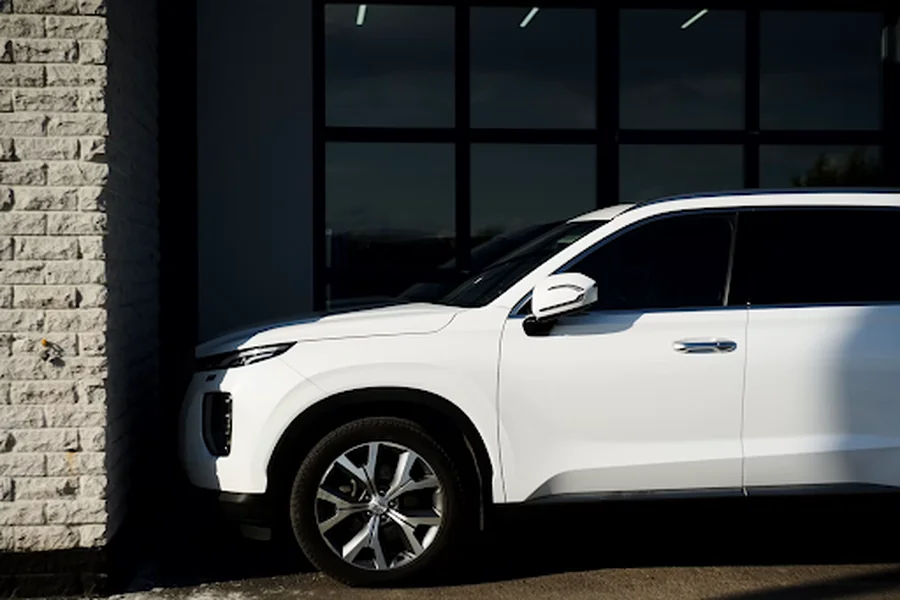
Safety is an important consideration when selecting a family vehicle. Electric MPVs can incorporate both active and passive safety technologies to help protect occupants.
Advanced Driver Assistance Systems may include automatic emergency braking, lane-keeping assistance, blind-spot monitoring, adaptive cruise control, and other driver-support functions. The availability of these features varies between models and specifications.
These systems are designed to assist the driver rather than replace the driver’s attention and control.
Structural Protection
The vehicle’s structure is another important part of passenger safety. Modern MPVs are engineered with reinforced passenger compartments and high-strength materials in key areas to help manage impact forces.
Safety design also considers the placement of the battery system and other electric components. Protective structures can help reduce the risk of damage to important components during a collision.
Charging for Everyday Use
Charging remains an important part of electric vehicle ownership. Public charging networks provide additional flexibility for drivers who need to recharge away from home, while faster charging systems can reduce the time spent at a charging station.
For families, access to convenient charging can make an electric MPV easier to integrate into everyday routines. Planning charging stops can also help make longer journeys more predictable.
Home Charging Convenience
Home charging can make electric MPV ownership particularly convenient for regular users. A suitable home charging system allows the vehicle to recharge while it is parked, including overnight.
Smart charging features may also allow owners to schedule charging according to their routines. This can make it easier to prepare the vehicle for the next day’s travel without requiring a separate visit to a public charging station.
Why Electric MPVs Suit Modern Families
The combination of passenger space, flexible seating, electric power, and modern technology makes MPVs a practical option for families considering an electric vehicle.
Unlike smaller electric cars, MPVs can provide additional cabin and storage space for passengers, luggage, and everyday items. Their flexible design also makes them suitable for different types of journeys throughout the week.
The ability to combine family-orientated practicality with electric power is one of the main factors driving interest in this segment.
Conclusion
Electric MPVs represent the continuing development of family transportation. Improvements in battery technology, charging infrastructure, safety systems, and interior design are making these vehicles increasingly suitable for everyday use.
For families seeking a vehicle that can accommodate passengers while offering the benefits of electric power, an MPV provides a practical balance between space, flexibility, comfort, and efficiency. As electric vehicle technology continues to develop, the role of electric MPVs in family mobility is likely to become increasingly significant.