
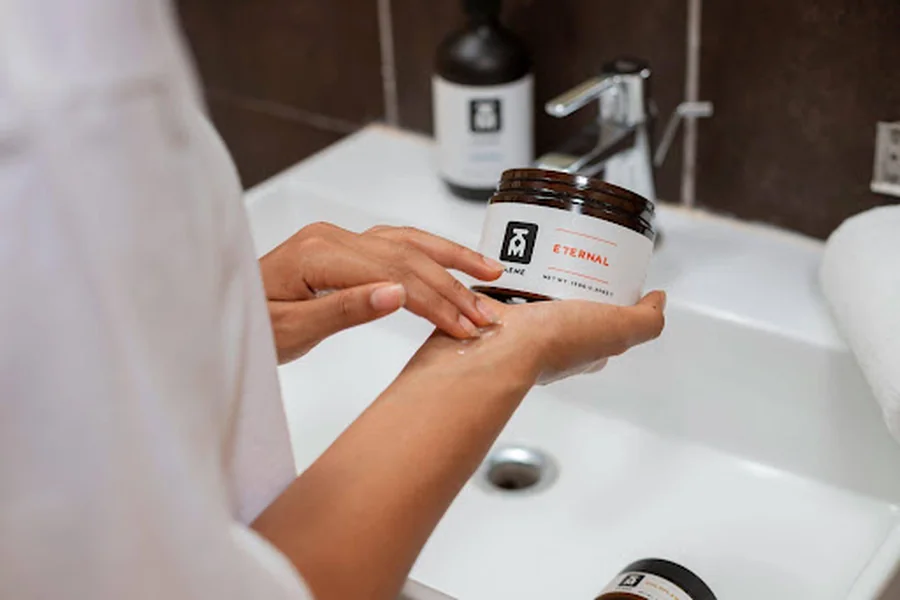
The beauty and personal care industry has undergone significant changes as consumers become more interested in ingredients, product quality, and routines that reflect their individual needs. Traditional skincare products remain popular, but newer formulations and evolving consumer preferences are reshaping how people approach everyday body care.
From minimalist skincare routines to specialized botanical ingredients, the market now offers more variety than ever. Social media, digital shopping platforms, and growing awareness of skin health have also influenced how consumers discover products and evaluate their potential benefits.
At the same time, shoppers are becoming more selective. Rather than relying exclusively on attractive packaging or familiar brand names, many want to understand what products contain and how they fit into their existing routines.
Exploring these changing trends provides insight into how skincare and body care are evolving, and why practical, personalized approaches are becoming increasingly important.
The Growing Interest in Specialized Body Care Formulations
Body care has expanded beyond traditional soaps, lotions, and basic moisturizers. Consumers can now choose from a wide range of products containing botanical extracts, specialty oils, peptides, and other ingredients associated with different skincare preferences.
This growing variety reflects the desire for products that offer something more specific than general moisturizing. Some shoppers prioritize lightweight textures, while others prefer richer formulations designed for areas prone to dryness.
Hemp-derived ingredients have also entered the body care market. Consumers exploring CBD topicals for sale can compare lotions, creams, and other topical products while considering their ingredients, textures, and intended applications.
The overall formulation is particularly important because supporting ingredients often determine how a product feels and performs during everyday use.
As specialized body care continues developing, clear labeling and realistic product information remain essential for informed purchasing decisions.
Minimalist Skincare Routines Are Gaining Popularity
For years, elaborate skincare routines featuring numerous products received considerable attention across beauty publications and social media. However, many consumers are now embracing simpler approaches that prioritize consistency and essential ingredients.
A minimalist routine typically begins with cleansing, moisturizing, and appropriate sun protection. Additional treatments may be introduced according to specific skin concerns rather than general beauty trends.
This approach can make everyday skincare easier to maintain, particularly for individuals with demanding schedules or limited budgets.
Using fewer products may also help consumers identify which formulations suit their skin. Introducing several unfamiliar ingredients simultaneously can make it difficult to determine the cause of irritation or other unwanted reactions.
Minimalism does not mean avoiding effective treatments. Instead, it encourages people to consider whether each product serves a meaningful purpose.
The growing popularity of streamlined routines demonstrates that successful skincare is not necessarily associated with owning the largest possible collection.
Consumers Are Paying Closer Attention to Ingredients
Ingredient awareness has become an important influence on modern purchasing decisions. Shoppers increasingly examine labels to understand the purpose of individual components and identify formulas that match their preferences.
Common moisturizing ingredients such as glycerin, ceramides, and hyaluronic acid are now familiar to many skincare enthusiasts. Consumers may also recognize ingredients associated with targeted treatments, including niacinamide, salicylic acid, and retinoids.
However, recognizing an ingredient is only part of understanding a product. Concentration, formulation, packaging, and compatibility with other ingredients can influence its performance.
Marketing expressions such as natural, clean, and gentle may also create expectations without explaining precisely how a product has been evaluated.
Consumers benefit from comparing complete formulations rather than assuming that one highlighted ingredient determines quality.
Clear product descriptions and accessible ingredient information can help beauty brands establish credibility while allowing shoppers to make decisions based on their actual needs.
Body Care Is Becoming as Important as Facial Skincare

Facial skincare has traditionally received significant attention in beauty discussions, but consumers are increasingly applying similar principles to the rest of the body.
Products developed for hands, feet, elbows, and other areas reflect growing interest in maintaining skin comfort beyond the face.
Body exfoliation, moisturizing routines, and specialized cleansers have become familiar subjects in online beauty communities. However, the appropriate approach depends on individual skin characteristics and environmental conditions.
For example, frequent washing and exposure to cold weather may contribute to dry hands, while friction from clothing or footwear can affect particular areas.
Choosing gentle cleansers and suitable moisturizers can help support the skin barrier without introducing unnecessary complexity.
Body care also offers opportunities to develop pleasant personal routines. Applying moisturizer after bathing or paying attention to frequently neglected areas can become manageable everyday habits.
The increasing attention given to body care demonstrates a broader understanding that comfortable, healthy-looking skin involves more than facial appearance.
Sustainability Is Influencing Product Design and Packaging
Environmental considerations are becoming more visible throughout the beauty industry. Consumers may evaluate packaging materials, refill options, product longevity, and the transparency of manufacturing practices when comparing brands.
Some companies have introduced concentrated formulas or refillable containers intended to reduce unnecessary packaging.
Others emphasize responsible sourcing and clearer information about the environmental considerations associated with particular ingredients.
However, sustainability claims require careful evaluation. A product presented as environmentally friendly may still involve significant resource consumption during manufacturing or transportation.
Consumers should look for specific information rather than relying entirely on broad expressions such as green or eco-conscious.
Practical habits can also reduce waste. Finishing existing products before purchasing replacements, selecting appropriate container sizes, and avoiding unnecessary purchases can make personal care routines more resource-conscious.
Sustainability is therefore becoming relevant not only to product development but also to everyday shopping behavior.
Social Media Is Changing How Beauty Trends Develop
Social media platforms have dramatically accelerated the way skincare trends reach consumers. A new ingredient, product texture, or application technique can attract widespread attention through short videos and creator recommendations.
This accessibility allows consumers to discover products and learn about unfamiliar approaches. Demonstrations can also make complicated skincare terminology easier to understand.
However, rapidly spreading trends sometimes create unrealistic expectations. A product that works well for one creator may not produce similar results for someone with different skin characteristics.
Sponsored content introduces another consideration because commercial relationships can influence how products are presented.
Consumers benefit from examining multiple sources and distinguishing personal testimonials from well-supported information.
Beauty brands also face growing expectations around transparency. Clear advertising disclosures and accurate product descriptions can help maintain trust in an environment where recommendations circulate quickly.
Social media remains a powerful discovery tool, but thoughtful evaluation is essential when translating online trends into personal routines.
Personalized Skincare Is Shaping the Future of Beauty
One of the most significant developments in skincare is the movement away from treating every consumer as though they have identical needs.
Age, skin characteristics, climate, daily activities, and personal preferences can all influence which formulations feel comfortable and appropriate.
Brands are increasingly exploring online questionnaires, digital consultations, and product-selection tools to help shoppers navigate extensive catalogs.
These services can simplify purchasing decisions, although automated recommendations cannot replace professional assessment when persistent skin concerns require medical attention.
Personalization also involves practical preferences. Some consumers value fragrance-free products, while others prefer particular textures, application methods, or packaging formats.
The future of skincare is likely to involve greater attention to these differences rather than a single routine promoted as suitable for everyone.
Ultimately, changing beauty trends demonstrate that informed choices matter more than constant experimentation. Consumers who understand their skin, evaluate ingredients carefully, and maintain realistic expectations can develop routines that remain useful as products and preferences evolve.
The most effective approach combines innovation with simplicity, allowing skincare and body care to remain enjoyable parts of everyday life without becoming unnecessarily complicated or expensive.