
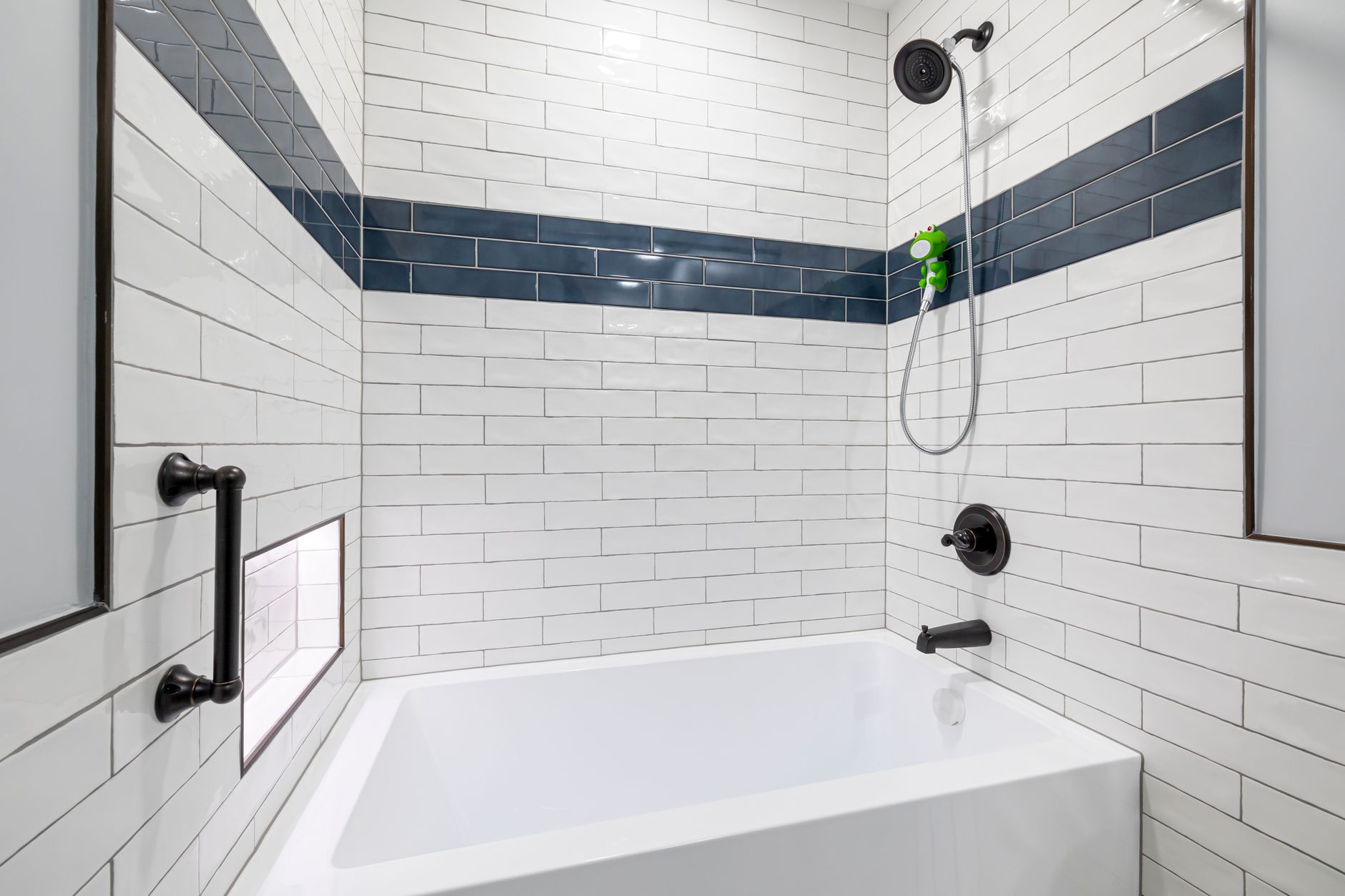
Renovating a bathroom from scratch is expensive, time-consuming, and often more than most households actually need just to improve daily comfort. Fortunately, a full renovation is rarely necessary to make a meaningful difference. A handful of well-chosen fixtures can transform how a bathroom feels and functions, without the mess, cost, or weeks of disruption that come with a complete overhaul.
The challenge is knowing which upgrades genuinely improve daily life and which are simply marketed as must-haves. Understanding a few key factors before you buy makes the difference between an upgrade you use every day and one that quietly gathers dust.
Start With What Actually Bothers You
It sounds obvious, but many households skip this step and buy based on trends rather than genuine need. Before browsing product ranges, make a short list of what actually frustrates you about your current bathroom setup. Is it comfort, cleanliness, water usage, or simply how dated the fixtures look? This list becomes your filter for every purchase decision that follows, and it prevents money being spent on features that look impressive but solve a problem you never actually had.
Household size and composition matter here too. A single-person apartment has very different priorities to a family home with young children or elderly parents, and the right upgrade path looks different in each case.
Understanding the Range of Options Available
Modern bathroom brands now offer a wide spectrum of products, from budget-friendly attachments through to premium, fully integrated units. Luelue Bidets is a good example of a brand positioned to cover several points along that spectrum, giving households the flexibility to choose based on their actual budget and bathroom layout rather than being forced into a single one-size-fits-all option.
Comparing a few brands side by side, rather than committing to the first product you see, is worth the extra time. Build quality, warranty length, and the availability of local support or spare parts all vary more than most buyers expect, and these details matter far more once the product has been in daily use for a year or two.
Compatibility With Your Existing Bathroom
Not every upgrade suits every bathroom. Older homes may have plumbing configurations that limit certain electronic options, while smaller bathrooms may struggle to accommodate bulkier units without compromising space. Measuring your existing fixtures and checking compatibility specifications before purchasing avoids the frustration of ordering a product that ultimately cannot be installed as planned.
If you are unsure, most reputable suppliers offer guidance or compatibility checklists specifically to help buyers avoid this common mistake. A short phone call or email exchange before ordering can save considerable time and hassle later.
Balancing Features Against Everyday Use
It is easy to be tempted by long feature lists, but the products that get used consistently tend to be the ones that fit naturally into an existing routine rather than requiring behaviour change. Consider how many people in your household will actually use each feature regularly, and whether simpler, more reliable options might serve the household better than something with more bells and whistles but a steeper learning curve.
Reading real user reviews, rather than relying solely on manufacturer descriptions, gives a much clearer picture of how a product performs after the novelty has worn off, which is exactly the information that matters most for a long-term purchase.
Planning for Installation and Ongoing Maintenance
A great product poorly installed rarely performs as intended, so factor bathroom renovation Toronto into your plans from the start rather than treating installation as an afterthought. Some upgrades are genuinely simple enough for a confident household to install themselves, while others benefit from a qualified plumber, particularly where electronic components are involved.
Ongoing maintenance is worth considering too. Ask about cleaning requirements, filter replacement schedules where relevant, and what a typical service call involves if something does eventually need attention, so there are no surprises once the product has settled into regular use.
Setting a Realistic Budget
Before browsing product ranges, it helps to set a realistic total budget that includes the product itself, any installation costs, and a small buffer for accessories or fittings that might not be included in the initial listing. Households that skip this step often end up either overspending on features they do not need or underspending and settling for a product that falls short of their actual expectations.
A clear budget also makes it easier to compare products fairly, since it forces a focus on genuine value rather than simply choosing whichever option happens to be cheapest or most heavily advertised at the time of purchase.
A modern bathroom upgrade does not need to mean a full renovation, but it does benefit from a little research before you buy. By starting with your household’s actual needs, comparing options honestly, checking compatibility, and planning realistically for installation and upkeep, you can make a choice that genuinely improves daily life rather than one that simply looked appealing in a product photo.
Taking this approach turns what could be an impulsive purchase into a considered upgrade that continues to deliver value long after the initial excitement of a new bathroom fixture has faded.