A fishing shirt can look convincing on a hanger and still disappoint during a full day on the water. Sleeves may pull when the wearer casts, a collar may rub under a life jacket, or a printed panel may feel uncomfortable once damp. For an outdoor brand, charter operator, or retailer, sourcing begins with understanding those everyday conditions.
The goal is to turn a broad product idea into a specification that a production team can repeat. Fabric selection, fit, decoration, testing, and delivery planning all influence the result. Buyers who define these details before requesting prices give themselves a better basis for comparing offers and judging samples.
Describe the wearer before choosing the style
Start with the people who will wear the garment and the activities they perform. A charter crew may need a recognizable uniform with practical coverage. A tournament team may prioritize sponsor graphics and freedom of movement. A retailer building a casual outdoor range may need several fits and a manageable selection of colors.
Climate and usage matter too. Ask whether the shirt will be worn alone, beneath a flotation device, or as part of a layered outfit. Consider how frequently it will be washed and whether customers expect a close athletic fit or a looser silhouette. These decisions affect the pattern and sample review.
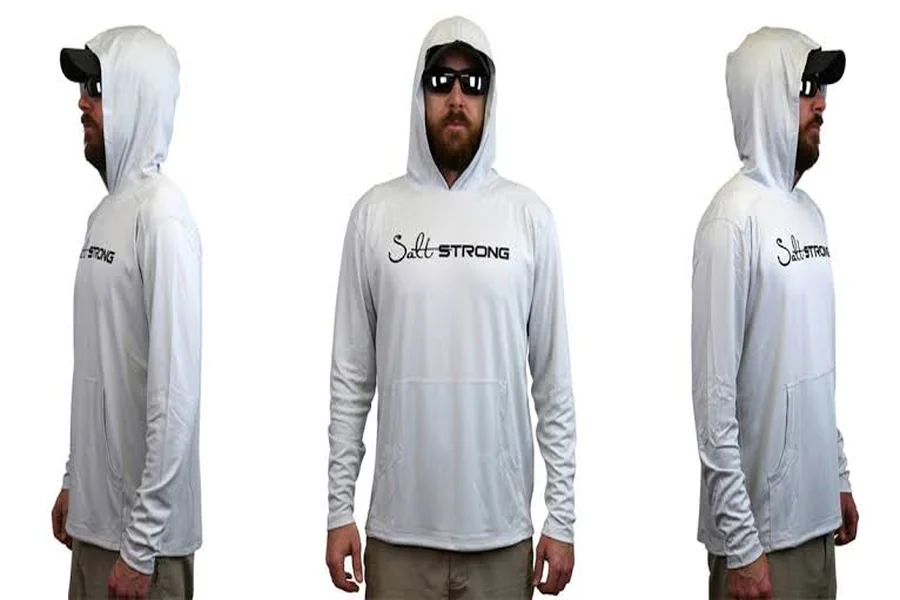
When comparing fishing shirt manufacturers, use the intended activity as the starting point for discussion. DERY’s fishing apparel page presents custom shirt options, including long sleeve and hooded styles, and describes fabric and printing choices. A catalog can establish what is worth exploring, but the actual garment specification still needs to be agreed in writing.
Separate fabric properties from marketing language
Terms such as lightweight, breathable, and quick drying describe different characteristics. A fabric that feels thin in the hand does not automatically provide the comfort a wearer expects during sustained activity. Ask what each claim means, how it has been evaluated, and which exact fabric is included in the quotation.
Record fiber composition, fabric weight, structure, and any specified finish. Keep an identified swatch with the approved sample so the order does not depend on a vague description such as performance polyester. If a substitute material is proposed later, treat it as a change requiring review rather than an equivalent by default.
Ultraviolet protection claims need particular care. AATCC lists TM183 as a method for evaluating ultraviolet radiation transmitted through fabrics. Buyers should request a relevant test report and check that the tested material corresponds to the proposed product. A statement about one fabric or color should not be assumed to cover every variation in a collection.
Use supplier discussions to clarify responsibilities
The distinction between making garments and managing an order is useful during sourcing. A business may handle production directly, coordinate specialist work, or arrange supply through other facilities. Understanding that arrangement helps buyers identify who approves materials, checks finished goods, and responds when a problem occurs.
Ask fishing shirt suppliers to explain the complete route from artwork approval to shipment, including any outsourced stages. Request a named contact for technical questions and another clear route for resolving quality issues if needed. A dependable order process relies on specific responsibilities, not simply frequent messages.
Price comparisons become more meaningful once the scope is consistent. Confirm whether the offer includes sample development, labels, individual packing, decoration, and the agreed inspection arrangements. Also establish which shipping costs and delivery responsibilities are included. A lower unit price may reflect a narrower quotation rather than a more economical finished order.
Test fit through the movements that matter
Reviewing a shirt while standing still is not enough. Ask sample wearers to reach forward, raise their arms, rotate their shoulders, and sit down. Where relevant, try the garment with the equipment normally worn over it. Observe whether the hem lifts excessively, cuffs interfere with the hands, or seams create pressure points.
Check the size range rather than approving a single middle size and assuming the rest will follow. A measurement chart should define where each dimension is taken and the permitted tolerance. Discuss how the pattern changes between sizes, especially if the customer group includes different body shapes or preferences.
A useful sample review should cover:
- Sleeve reach, shoulder movement, body length, and comfort while seated.
- Neckline, hood, cuff, and seam placement during normal use.
- Fabric feel and appearance before and after the agreed wash procedure.
- Artwork scale, placement, color, and alignment across panels.
- Labels, size identification, packaging, and care instructions.
Record findings with measurements and clear photographs. Feedback such as make it more comfortable leaves room for several interpretations. A note that a cuff needs a wider opening, accompanied by an agreed measurement, gives the production team a change it can implement and verify.
Approve artwork on the actual garment
A flat digital image cannot show every consequence of placing graphics on a shaped product. Seams may divide a logo, a hood may cover lettering, or a design may appear differently across sizes. Review a decorated physical sample before treating the artwork as ready for bulk production.
Confirm the decoration method and its compatibility with the chosen fabric. Establish acceptable color references, logo dimensions, and placement tolerances. Where several brands or sponsors appear together, obtain final artwork approval from the appropriate people before the production schedule becomes difficult to change.
Keep a dated approval record and identify the final artwork files. If revisions happen through several message threads, consolidate the decisions into one specification. This reduces the chance that an earlier logo or an obsolete color instruction reaches the production floor.
Plan quality checks and repeat orders
Agree on inspection points before the order begins. Buyers may want to review incoming material, an initial production sample, and finished garments according to the order’s risk and scale. Define which defects require correction and how quantity or measurement discrepancies will be handled.
Delivery planning should include time for sample revisions and problem resolution. Work backward from the date the goods must be available, rather than treating the shipment date as the end of the project. Ask when materials and artwork must be finalized to support the agreed schedule.
After delivery, compare the goods with the retained approval sample and collect wearer feedback. Keep notes on returns, fit comments, and performance after repeated washing. Those observations can improve the next specification. A successful sourcing relationship produces a shirt that meets its intended use and a documented process that makes the next order easier to control.