
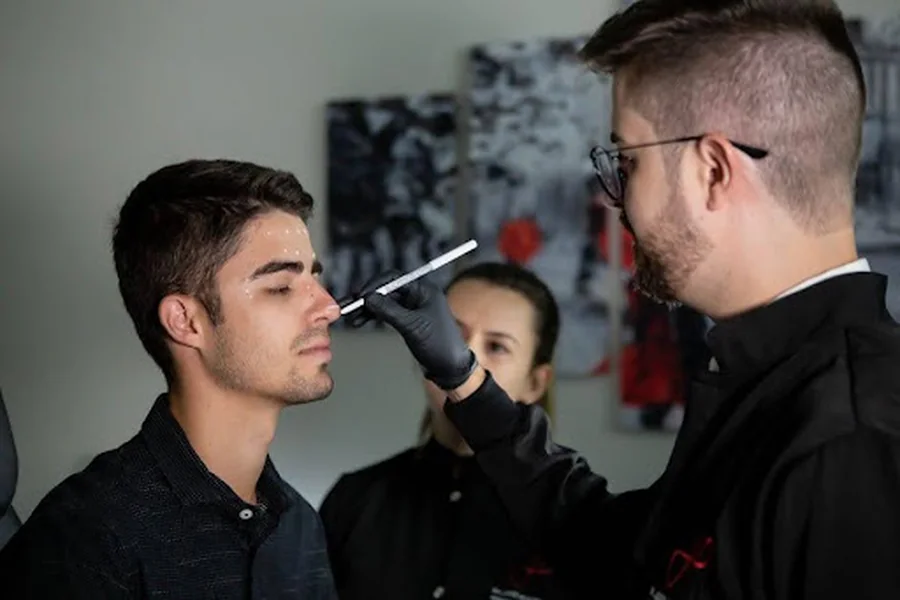
In recent decades, the rise of plastic surgery has not only altered perceptions of aesthetic interventions but also underscored its role in the broader spectrum of medical procedures. Surgeons at practices such as Argent Plastic Surgery are at the forefront, providing expert and innovative solutions tailored to individual needs. Setting the stage for a deeper understanding of this field involves exploring its historical roots, current trends, technological advancements, and addressing common concerns.
Historical Development of Plastic Surgery
Plastic surgery has a rich history, with its origins traceable to ancient civilisations. The earliest recorded reconstructive surgeries date back to around 4,000 years ago in ancient Egypt and India, where practitioners developed basic techniques for facial reconstruction after battlefield injuries. By the time of the Renaissance, advances in anatomical knowledge paved the way for more sophisticated methods, which laid the foundations for modern practices.
The field saw exponential growth during and after both World Wars, as doctors aimed to treat soldiers with disfiguring injuries using pioneering surgical techniques and skin grafting. The post-war periods were catalysts for research and refinement, transforming plastic surgery from a necessity-driven practice to a versatile branch of medicine catering to both reconstructive and elective cosmetic needs.
Modern Techniques and Advancements
Today’s plastic surgery encompasses a wide range of procedures, meticulously designed to address both aesthetic desires and medical necessities. The leap in technology has markedly improved outcomes and patient satisfaction. Minimally invasive techniques, enabled by advancements in surgical tools and technology, have reduced recovery times and lowered the risk of complications.
Innovations such as 3D imaging and printing, robotics, and tissue engineering have revolutionised pre-surgical planning and outcomes. Patients can view simulations of expected results, aiding in making informed decisions. Furthermore, robotic-assisted operations provide surgeons with enhanced precision, crucial for complex reconstructions or delicate cosmetic alterations.
Psychological and Social Aspects of Plastic Surgery
The decision to undergo plastic surgery often intertwines with psychological and social dimensions. Studies have explored the impact of cosmetic surgery on self-esteem, confidence, and social interactions. While many report improvements in body image and overall satisfaction, it is crucial to approach these procedures with realistic expectations.
Moreover, societal perceptions and cultural norms play a significant role in shaping attitudes towards plastic surgery. The media plays a pivotal role in normalising certain aesthetic ideals, driving demand for procedures aimed at conforming to these standards. However, it is equally important to promote body positivity and recognise that personal well-being transcends physical appearance.
Popular Procedures and Trends
Plastic surgery encompasses a plethora of procedures categorized under cosmetic and reconstructive purposes. Among the most sought-after cosmetic surgeries are rhinoplasty, breast augmentation, and liposuction. On the reconstructive front, surgeries correcting congenital anomalies, trauma-related deformities, and post-cancer reconstructions are fundamental in restoring function and appearance.
Emerging trends in plastic surgery point towards a surge in non-surgical procedures like laser treatments, dermal fillers, and Botox injections. These alternatives offer less invasive routes to enhancing aesthetic appeal, appealing to a demographic seeking subtle improvements.
Ethical Considerations and Surgeon Expertise
The ethical landscape of plastic surgery is multifaceted, involving patient autonomy, informed consent, and the psychological impact of surgical outcomes. It is imperative for plastic surgeons to ensure that patients comprehend the risks, benefits, and realistic outcomes of surgery.
Surgery and Technological Integration
The integration of technology in surgical procedures has been a game-changer. Innovations like virtual reality simulations prepare patients for surgery by providing a detailed preview of the results. Additionally, advancements in anaesthesia and post-operative care have enhanced patient safety and comfort, leading to shorter hospital stays and quicker returns to daily activities.

Rapid technological advancements underscore the importance of continued education and training for surgeons. As tools and techniques evolve, ongoing professional development ensures they remain adept at handling diverse patient needs and achieving optimal results.
Patient Concerns and Post-operative Care
Concerns about post-surgical outcomes and recovery are common among prospective patients. Addressing these through comprehensive preoperative consultations is a critical component of the surgical process. Topics include managing expectations, understanding recovery timelines, and adhering to post-operative care instructions.
Long-term success hinges on lifestyle choices and follow-up care. Regular monitoring and adherence to post-care guidelines can significantly influence the longevity and quality of surgical results, particularly in procedures involving body contouring or facial adjustments.
The Future of Plastic Surgery
The future of plastic surgery promises exciting possibilities fuelled by scientific breakthroughs and evolving patient expectations. Regenerative medicine, focusing on stem cells and biomaterials, holds potential for creating more natural and long-lasting results. Moreover, as societal understandings of beauty and body image evolve, so too will the field of plastic surgery, adapting to emphasize holistic patient care over mere aesthetic enhancement.
In conclusion, plastic surgery remains a dynamic and ever-evolving field integral to modern medicine. With its roots in historical necessity and its future in technological innovation, it offers transformative possibilities for countless individuals seeking both aesthetic enhancement and reconstructive assistance.