
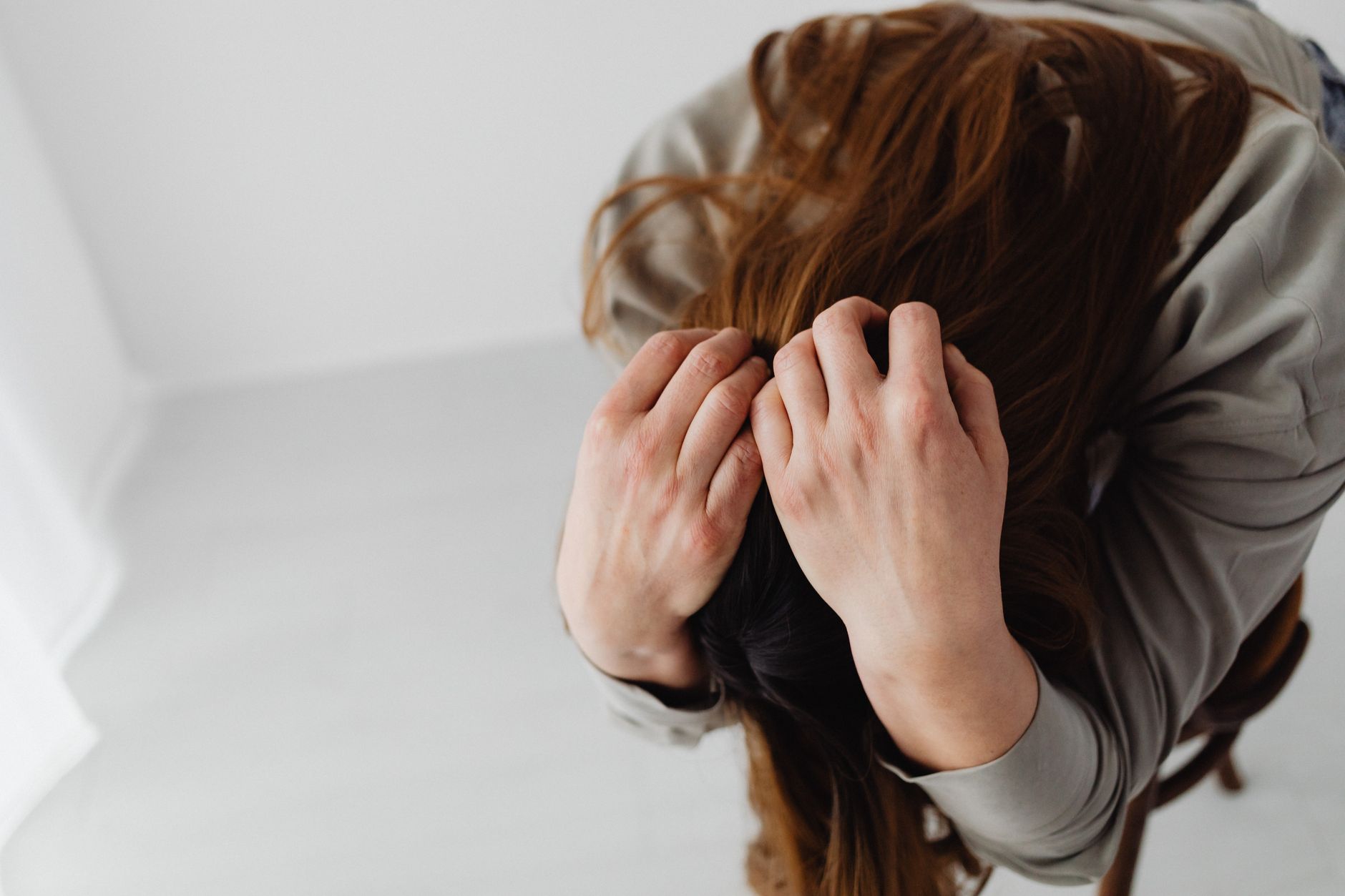
Most people have felt it at some point: a racing heart before a big presentation, a tight chest when something feels off, or a mind that refuses to quiet down at 2 a.m. Anxiety is one of the most common human experiences, yet it remains widely misunderstood. Knowing what is actually happening inside your body when anxiety hits, and what kinds of responses have real evidence behind them, can make a meaningful difference in how you manage those moments.
This article breaks down the physiology of anxiety, explains why some coping strategies work better than others, and explores both short-term relief techniques and longer-term habits that support a calmer baseline. Whether your anxiety is occasional or something you live with daily, understanding the mechanics behind it is a useful starting point.
What Anxiety Actually Is (And Is Not)
Anxiety is not simply being nervous or stressed. It is a complex physiological and psychological response involving the brain, the nervous system, and a cascade of hormones. At its core, anxiety is the body's threat-detection system firing up, sometimes appropriately and sometimes not. The amygdala, a small almond-shaped region deep in the brain, plays a central role. It processes incoming sensory information and, when it perceives danger, triggers the hypothalamus to activate the sympathetic nervous system.
That activation is what produces the physical symptoms most people recognize: rapid heartbeat, shallow breathing, muscle tension, sweating, and a sharpened sense of alertness. These are not signs that something is wrong with you. They are the body preparing to respond to a threat. The problem arises when that system activates in situations where there is no real physical danger, or when it stays activated long after the trigger has passed.
Anxiety disorders, which are distinct from everyday situational anxiety, affect a significant portion of the population. According to the National Institute of Mental Health, anxiety disorders are the most common mental illness in the United States, affecting around 19 percent of adults in any given year. That figure underscores how widespread the experience is, and why accessible, accurate information about it matters.
The Physical Symptoms People Often Overlook
Anxiety shows up in the body in ways that people sometimes attribute to something else entirely. A person might see a doctor about chronic headaches, digestive issues, or persistent muscle pain, without connecting those symptoms to anxiety. The gut-brain connection is particularly well documented. The enteric nervous system, sometimes called the "second brain," communicates directly with the brain via the vagus nerve. When anxiety activates the stress response, the digestive system feels it.
- Headaches and migraines triggered or worsened by tension
- Nausea, stomach cramps, or irritable bowel symptoms
- Muscle tightness, especially in the neck, shoulders, and jaw
- Fatigue that does not resolve with rest
- Difficulty concentrating or a sense of mental fog
- Sleep disturbances, including trouble falling or staying asleep
- Increased heart rate or palpitations
- Tingling or numbness, particularly in the hands and feet
Recognizing these physical manifestations matters because it helps people connect the dots between their mental state and their physical health. Treating only the physical symptom without addressing the underlying anxiety tends to produce limited results. At the same time, physical symptoms of anxiety should always be evaluated by a healthcare provider first, since other medical conditions can produce similar signs.
Short-Term Strategies That Have Evidence Behind Them
When anxiety spikes, having a reliable toolkit matters. Not every technique works equally well for every person, and that is normal. The goal is to find approaches that actually shift the body out of the stress response rather than simply distracting from it temporarily.
Controlled Breathing
Breathing is one of the few autonomic functions you can consciously control, and that makes it a powerful lever. Slow, diaphragmatic breathing activates the parasympathetic nervous system, which counters the fight-or-flight response. A commonly studied technique is the 4-7-8 method: inhale for four counts, hold for seven, exhale for eight. The extended exhale is key. Research published in the journal Frontiers in Human Neuroscience has shown that slow breathing at around six breaths per minute can significantly reduce heart rate and increase heart rate variability, both markers of a calmer nervous system. For those looking for quick ways to calm anxiety in the middle of a stressful moment, structured breathing is often the most accessible option because it requires no equipment, no privacy, and no special training.
Grounding Techniques
Grounding works by pulling attention back to the present moment and away from anxious thoughts about the future or the past. One of the most widely taught versions is the 5-4-3-2-1 technique: identify five things you can see, four you can touch, three you can hear, two you can smell, and one you can taste. It sounds simple, and it is. But engaging multiple senses activates different neural pathways and interrupts the loop of worried thinking that tends to amplify anxiety.
Cold Water Exposure
Splashing cold water on the face or submerging the face in cold water for 30 seconds activates the mammalian dive reflex, which slows heart rate and can interrupt a panic response. This technique is sometimes used in dialectical behavior therapy as part of the TIPP skills (Temperature, Intense exercise, Paced breathing, Paired muscle relaxation). It is especially useful during acute anxiety spikes or panic attacks.
Longer-Term Habits That Reduce Anxiety Over Time
Short-term techniques are valuable, but they work best when paired with lifestyle habits that lower the overall baseline of anxiety. Think of it this way: if your nervous system is chronically running hot, even minor stressors can tip you into full anxiety. Building habits that lower that baseline gives you more room before you reach that tipping point.
|
Habit |
How It Helps |
Time to See Effects |
|
Regular aerobic exercise |
Reduces cortisol and adrenaline; increases endorphins |
2 to 4 weeks of consistent practice |
|
Consistent sleep schedule |
Regulates the HPA axis and reduces stress hormone output |
1 to 2 weeks |
|
Limiting caffeine and alcohol |
Both substances can worsen anxiety symptoms and disrupt sleep |
Days to 1 week |
|
Mindfulness meditation |
Reduces amygdala reactivity over time with consistent practice |
4 to 8 weeks |
|
Social connection |
Activates the tend-and-befriend response; buffers stress |
Variable; ongoing benefit |
|
Journaling or expressive writing |
Externalizes worried thoughts and reduces rumination |
1 to 3 weeks |
Exercise deserves particular emphasis. A meta-analysis published in JAMA Psychiatry found that physical activity significantly reduced symptoms of anxiety across multiple studies and population groups. The effect was present for both structured exercise programs and moderate activity like walking. Even 20 to 30 minutes of brisk walking several times per week can make a measurable difference for people with mild to moderate anxiety.
Sleep is another factor that gets underestimated. The relationship between sleep and anxiety runs in both directions: anxiety disrupts sleep, and poor sleep raises anxiety. Breaking that cycle often requires addressing both at once. Good sleep hygiene includes keeping a consistent wake time, limiting screen exposure in the hour before bed, and keeping the bedroom cool and dark. These are not groundbreaking insights, but they are consistently overlooked.
When Professional Support Makes Sense
Self-help strategies can be genuinely effective for mild to moderate anxiety. But there is a point where professional support is not just helpful, it is necessary. Recognizing that threshold can be difficult, especially because anxiety often involves a degree of avoidance that can extend to seeking help.
Cognitive behavioral therapy, often abbreviated as CBT, is considered one of the most effective treatments for anxiety disorders across a wide range of subtypes, including generalized anxiety disorder, social anxiety, panic disorder, and specific phobias. It works by helping people identify distorted thinking patterns and gradually change the behaviors that reinforce anxiety. Unlike some forms of therapy, CBT is structured, time-limited, and has a substantial evidence base behind it.
Medication is another option that is appropriate for some people. Selective serotonin reuptake inhibitors, commonly known as SSRIs, are often a first-line pharmacological treatment for anxiety disorders. They are not the right choice for everyone, and the decision about medication should always be made in conversation with a qualified medical provider. The point is that there is a spectrum of professional interventions available, and using them is not a sign of failure.
- Anxiety that interferes with work, relationships, or daily functioning
- Symptoms that persist for six months or longer
- Panic attacks, particularly if they are frequent or unpredictable
- Avoidance behaviors that have narrowed your daily life significantly
- Physical symptoms that have been medically cleared but persist
- Anxiety accompanied by depression or other mental health symptoms
Any of these signs warrants a conversation with a mental health professional. Reaching out earlier rather than later tends to lead to better outcomes and a shorter overall recovery path.
Understanding the Role of Avoidance
One of the trickiest aspects of anxiety is that the natural response to it, avoiding the thing that triggers it, tends to make anxiety worse over time. Avoidance provides immediate relief, which reinforces the behavior. But it also prevents the brain from learning that the feared situation is manageable. This is why exposure-based approaches, where a person gradually faces feared situations in a controlled way, are central to effective anxiety treatment.
Avoidance can be obvious: refusing to drive on highways, skipping social gatherings, not opening certain emails. It can also be subtle: constantly seeking reassurance, procrastinating on tasks that feel overwhelming, or mentally rehearsing worst-case scenarios as a way of feeling prepared. Identifying these patterns is often the first step toward loosening their grip.
Anxiety is a deeply human experience with real biological roots, and it responds well to informed, consistent effort. Whether someone is dealing with occasional spikes or a more persistent pattern, understanding the mechanisms involved and knowing which strategies are actually supported by evidence gives them a much better foundation than simply trying to push through or wait for things to improve on their own. There is a lot that can be done, and most of it starts with information.



1 thought on “How Anxiety Affects the Body and What Actually Helps”