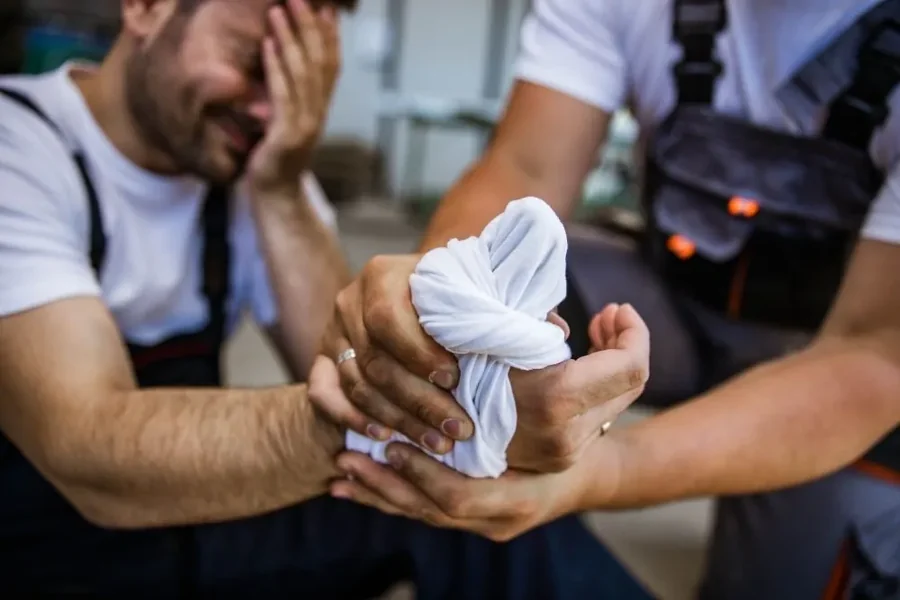
A hand trapped in a press or a foot pinned beneath a pallet suffers more than a hard impact. Compression damages tissue beneath the skin, sometimes injuring muscles, nerves, blood vessels, and bones together. Once the worker is freed, the immediate danger appears to have passed. Yet swelling, disrupted circulation, and muscle breakdown sometimes create problems that continue well beyond the accident.
That explains why recovery often takes longer than the first examination suggests. A wound closing or a fracture healing marks progress, but neither tells the whole story about strength, sensation, or the ability to work safely. If treatment is disputed or wage benefits stop before a worker is ready to return, knowing when to hire a workers comp lawyer becomes a practical concern.
The Damage Extends Beneath the Bruising
Crush injuries vary considerably. A brief squeeze between two objects differs from prolonged entrapment beneath heavy equipment. The force, duration, and body part involved influence the damage. Even without a broken bone, injured soft tissue needs careful assessment.
Treatment sometimes involves several procedures rather than one operation. Surgeons remove dead tissue, repair damaged structures, and monitor wounds before deciding when to close them. Open injuries also carry an infection risk, adding another reason for repeated examinations. The treatment plan often develops as the condition of the injured tissue becomes clearer.
For workers expecting a straightforward recovery, this uncertainty is frustrating. An early estimate of time away should leave room for findings that emerge during follow-up appointments.
Swelling Sometimes Becomes an Emergency
After a crush injury, swelling or bleeding inside a muscle compartment sometimes raises pressure enough to restrict blood flow. This is acute compartment syndrome, a surgical emergency that threatens muscle and nerve tissue.
Warning signs include severe pain beyond what seems reasonable for the injury, pain when the affected muscles are stretched, and a tight or unusually full feeling in the limb. Tingling or burning also warrants attention. Numbness and paralysis are late signs; waiting for them risks permanent damage. These symptoms require immediate emergency assessment.
Fun fact: Muscles sit inside groups wrapped in a tough membrane called fascia. This wrapping has little room to stretch, which explains why swelling inside a compartment sometimes becomes dangerous even when the skin remains intact.
Muscle Damage Sometimes Affects the Kidneys
Severe muscle injury sometimes triggers rhabdomyolysis, a condition in which damaged muscle releases proteins and electrolytes into the bloodstream. These substances threaten kidney function and disturb heart rhythms.
Unusually intense muscle pain, marked weakness, or tea-colored urine requires urgent medical attention. Symptoms alone do not establish the diagnosis; clinicians use blood tests and repeat measurements to assess muscle breakdown. Treatment depends on severity, with serious cases requiring hospital care.
This complication explains why care sometimes includes blood tests and monitoring beyond the visibly injured area. A crushed limb is a local injury, but extensive muscle damage sometimes affects the rest of the body.
Healing and Working Are Different Milestones
After urgent treatment ends, rehabilitation addresses the movements everyday tasks demand. A worker with a hand injury might regain enough motion to dress independently while still struggling to grip a tool securely. Someone with a crushed foot might walk short distances yet remain unable to tolerate hours of standing.
Therapy addresses stiffness, strength, and function, with exercises adjusted to protect healing structures. Nerve damage sometimes leaves altered sensation or weakness that outlasts wound healing. Recovery differs according to the structures injured and the severity of the damage.
Return-to-work discussions need that level of detail. “Light duty” says little without a description of lifting requirements, repetitive movements, standing time, and equipment use.
A Long Recovery Creates Claim Questions
Workers’ compensation generally addresses medical treatment and partial wage replacement for eligible work injuries, although eligibility and benefit rules differ by jurisdiction. Disagreements sometimes arise over further treatment, work restrictions, or the connection between ongoing symptoms and the original accident.
Workers’ compensation lawyers offer practical help by organizing medical evidence, tracking claim deadlines, and challenging disputed decisions through the applicable process. Discussing a claim with an attorney through workerscompensationattorneyorangecounty.com is especially useful when a serious injury requires repeated treatment while household income remains interrupted.
Detailed records give those discussions substance. Save treatment instructions, report new symptoms promptly, and ask clinicians to describe functional restrictions precisely. At the next appointment, “my hand still hurts” tells part of the story. “I lose my grip after ten minutes and cannot feel the tool slipping” gives the treating team a clearer picture of what returning to work would involve.