
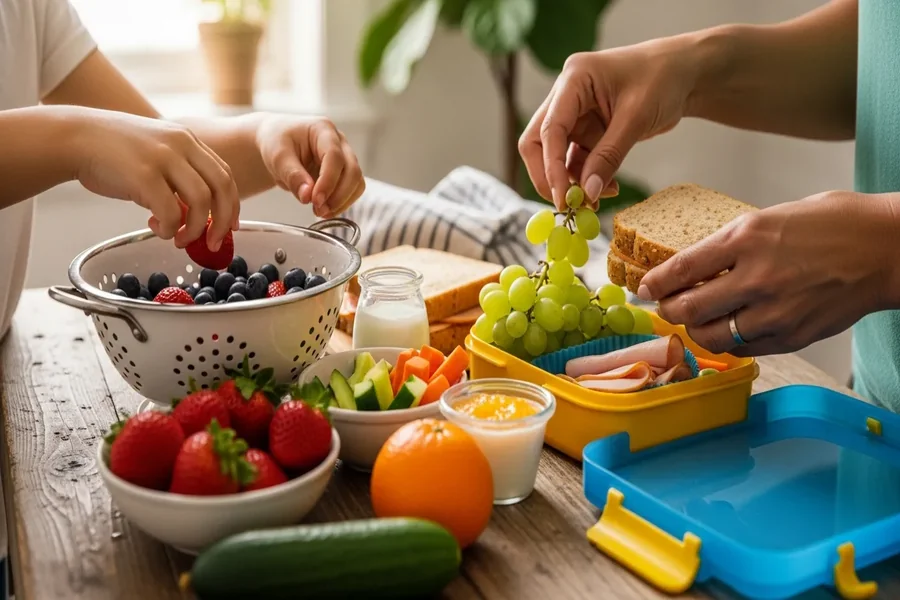
School ends toward the end of May, and in many rural counties, the closest free meal is suddenly twenty miles away. It’s the last day of school. Buses have been canceled. Students who used to depend on getting two meals a day from their nearby building are now getting all three at home through one of the most costly times of the year.
The federal funds are there for summer meals for children; what is lacking in many small communities is a sponsor a local school system, a church, a library, or some non-profit to host the program. And the task is not as challenging as its reputation would indicate, but the schedule is definitely tougher than people realize.
Where Summer Meals Fall Short in Rural Counties
Summer programs reach a fraction of the children who eat free lunch during the school year. Distance explains most of that shortfall. A meal served at a fixed site at noon requires a ride, and a family without a spare car or a spare hour simply doesn’t make the trip.
The national picture behind a phrase like starving children in America is more specific than the words suggest. Most affected households are food insecure rather than empty of food, which means a summer site succeeds through consistency rather than through emergency response. Same place, same hours, every weekday, with no forms at the door.
The Two Service Models a Sponsor Picks Between
USDA’s summer meal programs run on two shapes, and the choice drives everything else about a site.
- Congregate service means children eat on location, which suits a park, pool, library, or church with space and a few reliable volunteers
- SUN Meals To-Go lets approved sponsors in rural areas send meals home for pickup or delivery, with participants able to collect up to ten days of meals at once
The second model changed what’s possible in low-density counties. A single pickup point on a Tuesday afternoon can cover a family for two weeks, which turns a daily transportation problem into a twice-monthly errand. Eligibility for that option depends on rural designation, and a state agency confirms it during the application.
What a Site Needs Before the First Lunch
Most first-year sponsors underestimate storage and overestimate everything else.
- Cold holding for every perishable item, with a thermometer log kept for each meal service
- A handwashing setup that meets local health rules, which rarely means a full kitchen
- Shade or indoor seating for congregate sites, since a July lunch outdoors empties fast
- Insulated transport containers sized for the longest delivery run on the route
- One staff member or volunteer per site who counts meals and records them daily
Meal counts matter more than the equipment does. Reimbursement follows the count, so a site with sloppy paperwork loses money on meals it actually served. A simple clipboard tally, filled in as children come through, holds up better in a review than a spreadsheet reconstructed on Friday afternoon.
The Calendar Runs Earlier Than Groups Expect
Deadlines for most states are in spring for a summer program that begins in June. For new sponsors, a longer form needs to be completed together with training and a management plan, while a state agency will expect the process to be done much earlier than the beginning of services delivery.
Thus, the period when practical planning can begin is early February. Those who choose April for starting will find themselves running for approvals during the school year. Those who choose to start in fall will have the choice of sites, volunteers, and vendors, as well as an opportunity to test menu prior to serving sixty kids on Monday.
Any person considering the options at such a late stage should rather plan for next summer than current.
What the State Agency Handles on Its Side
The State Child Nutrition Agency will do the approving of sponsors, selection of sites, reimbursement amounts, and service monitoring through the season. It is the first place to go before any research that the volunteer may do alone. Regulations differ from state to state, site to site, and whether rural or not, and the agency knows the answers without cost.
The sponsor should expect a monitoring visit in the beginning weeks. The reviewers will check meal ingredients, temperature charts, and numbers of participants. No expertise in a professional kitchen is required, but daily record keeping is needed.
Questions Community Groups Ask Most
Cost to the organization hosting a site
Federal reimbursement covers meals served, and many sponsors work with a school district or vendor that prepares the food. Startup costs usually center on coolers, containers, and staff hours.
Verification of family income at the site
Summer meal sites in eligible areas serve all children eighteen and under at no charge, with no application at the door.
Groups too small to sponsor on their own
Small organizations can operate as a site under an existing sponsor rather than applying themselves, which removes most of the administrative load.
A Town Only Needs One Group to Say Yes
The summer hunger gap in a rural community is a distance issue dressed up as a funding issue. The food is paid for. The gap exists between a facility that is closed down in May and a family that is living fifteen miles away from the next open location.
Any organization that has a facility, a freezer, and a few regular volunteers can close the gap. The most important initial step comes at no cost whatsoever and entails a phone call to the state agency on child nutrition to find out what is available in the county and where the closest uncovered gap lies.