
As global temperatures continue to rise, vehicle owners face an escalating battle against the elements. According to a September 2026 report from the National Oceanic and Atmospheric Administration, the summer of 2026 was the hottest on record for the United States. During August alone, average daytime highs reached a record-breaking 88.6 degrees, creating extreme baseline thermal conditions for any vehicle parked outdoors. On a typical hot summer afternoon, a dark car interior without proper window protection can reach blistering surface temperatures between 140 and 190 degrees. This intense heat does more than just make your afternoon commute uncomfortable. It actively accelerates the deterioration of your cabin materials.
The Rapid Accumulation of Cabin Heat
Many drivers underestimate exactly how fast a closed vehicle can turn into an oven. It is a common misconception that cracking a window will significantly slow down the heating process, but scientific data proves otherwise. Research analyzing the rapid temperature rise inside enclosed vehicles demonstrates that a car interior experiences an average mean temperature increase of 3.2 degrees Fahrenheit every five minutes in direct sunlight. Furthermore, 80 percent of the overall temperature rise occurs during the first 30 minutes of sun exposure.
This immediate threat means that even a quick trip into a grocery store is long enough for heat stress to begin affecting your dashboard and upholstery. The constant thermal cycling of daily heating and cooling causes soft-touch dashboard coatings to aggressively expand and contract. In sunbelt climates, this thermal stress frequently results in visible structural cracking within seven to ten years.
Defending Materials Against UV Degradation
Heat is only half of the equation when it comes to interior damage. Ultraviolet radiation triggers photodegradation in vehicle cabins, which is a chemical process that breaks down the molecular bonds in fabrics, vinyl, and plastics. This leads to irreversible stiffness and embrittlement over time. Prolonged UV exposure can accelerate the fading of untreated leather car seats by up to 30 percent over a five-year period. To stop this photodegradation before it deteriorates interior surfaces, you need a physical barrier. Utilizing a custom car windshield sun shade is one of the most effective ways to block direct UV rays and drastically reduce internal dashboard temperatures. Unlike generic alternatives that leave gaps around the rearview mirror, a tailored fit ensures maximum coverage to keep the cabin cool and protect sensitive materials from direct solar radiation.
Safeguarding Infotainment Systems and Displays
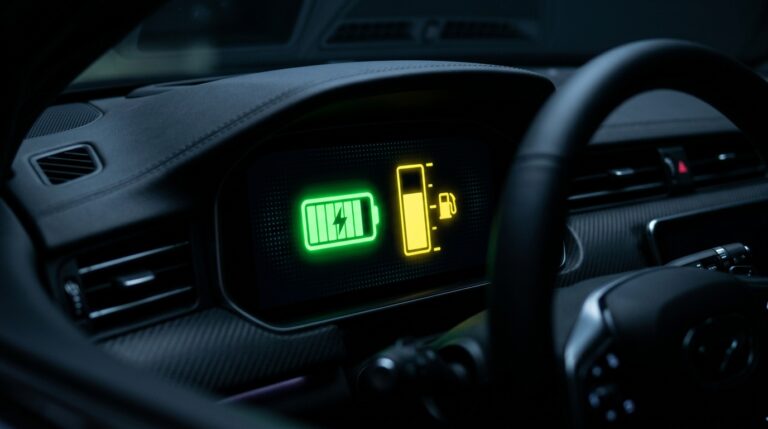
Modern vehicles are packed with sensitive electronics that are highly vulnerable to extreme cabin temperatures. Automotive touchscreens consist of tightly layered assemblies of glass, digitizers, adhesives, and liquid crystal displays. When exposed to intense heat, these layers expand at different rates, frequently leading to structural failure. The optical gel adhesive inside factory touchscreens can break down, resulting in a visible bubbling or peeling effect known as delamination.
When heat degrades touchscreen digitizers, drivers often experience ghost touching, a severe malfunction where the screen registers false inputs and randomly changes settings without driver interaction. Depending on the vehicle model and regional labor rates, repairing or replacing a heat-damaged digital gauge cluster usually costs between $150 and $600. Full dashboard or infotainment replacements on luxury vehicles can easily exceed $2,500, making prevention highly cost-effective.
Essential Heat Mitigation Strategies
Protecting your vehicle from extreme thermal damage requires a combination of smart parking habits and the right accessories. Implementing a few daily practices can significantly extend the life of your interior components:
- Park Strategically: Whenever possible, park facing away from the sun or choose a spot shaded by buildings and trees to minimize direct windshield exposure.
- Condition Leather and Vinyl: Apply UV-resistant conditioners to your seats and dashboard every few months to keep materials supple and prevent cracking.
- Utilize Window Tint: High-quality ceramic window films can reject a massive amount of solar energy and block up to 99.9 percent of harmful UV rays.
- Ventilate Safely: If parked in a secure area, leaving the sunroof vented slightly can help dissipate trapped ambient air, though it will not stop direct sunlight from fading materials.
Preserving Your Resale Value
Ongoing, untreated sun and heat exposure can diminish a vehicle’s overall resale value by as much as 10 percent due to faded upholstery, warped plastics, and aesthetic wear. Taking the time to shield your interior from the sun is an integral part of ongoing automotive maintenance practices that protect your long-term investment. By blocking UV rays and reducing cabin temperatures, you ensure that your vehicle remains comfortable, functional, and visually appealing for years to come.