A small purchase used to be just that: small, forgettable, purely functional. Somewhere along the way, a specific coffee order, a particular skincare item, or a favorite small indulgence became something people photograph, discuss, and identify with. Understanding why small buys became identity markers explains a real shift in how people relate to everyday spending, not just what they’re buying.
What Actually Turned Small Purchases Into a Lifestyle Signal?
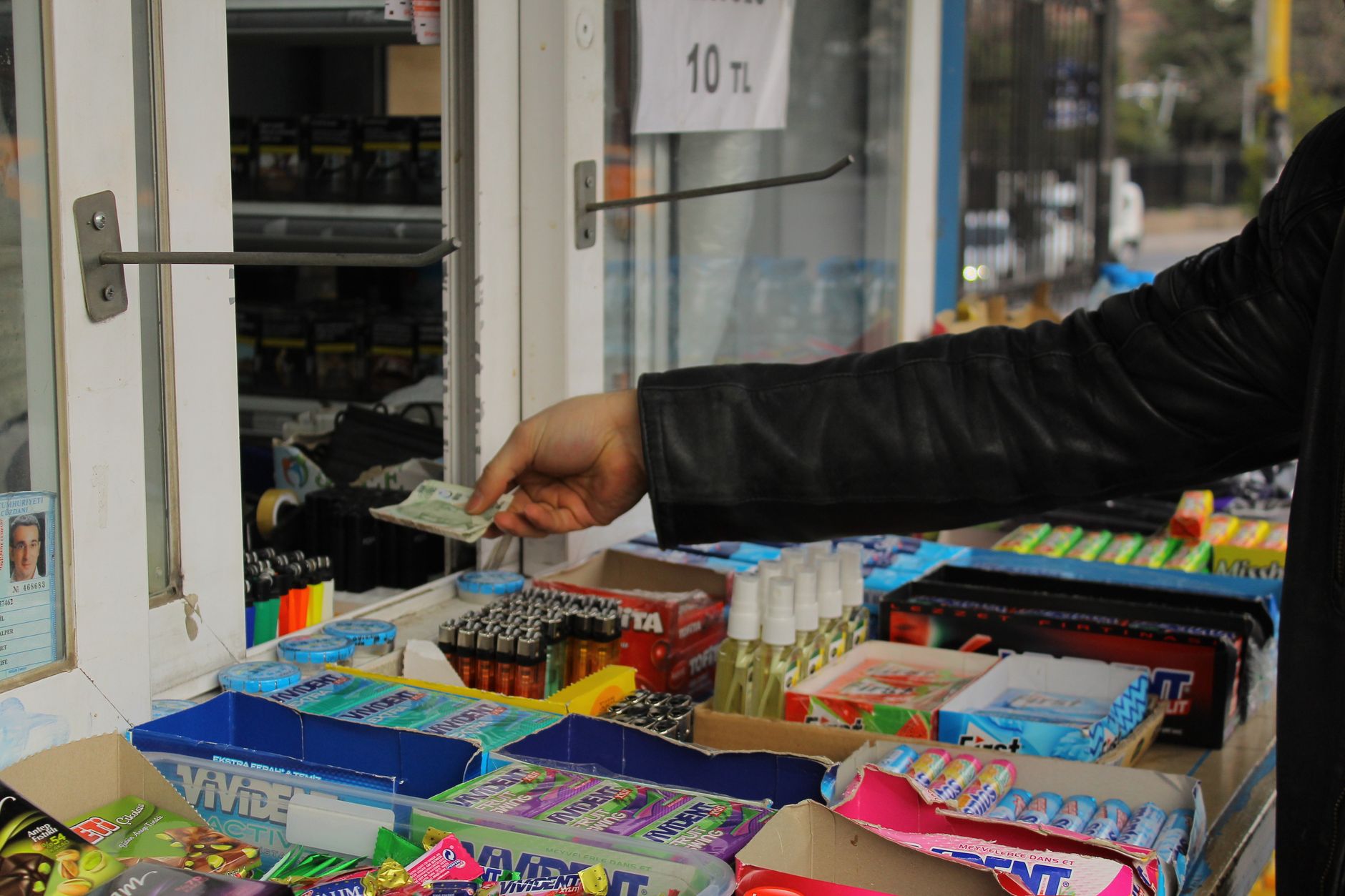
The shift didn’t happen because small purchases got more expensive or elaborate. It happened because sharing them got easier and more normalized. A quick photo or mention of a specific everyday item, whether it’s a particular drink order or a selection of disposable vapes someone favors, now functions as a small piece of self-presentation in a way it simply didn’t when that same purchase stayed private.
That visibility changes the purchase itself. Once a small buy can be shared, it starts carrying identity weight it never used to, turning a purely functional decision into something that also communicates taste, mood, or affiliation with a broader aesthetic.
What Does Research Actually Say About Why People Buy These Small Treats?
This isn’t just a vague cultural observation. Research on what’s been called “treatonomics” found that most Americans regularly indulge in small, affordable purchases, with most capping individual spend at a modest amount, and a meaningful share explicitly citing stress relief or emotional reward as the motivation rather than necessity.
That finding reframes the small-purchase-as-lifestyle-statement pattern. It’s not purely about display or identity. A real share of this spending functions as a coping mechanism for financial or general life stress, while also carrying social and identity signaling as a secondary effect.
Why Do Small Purchases Substitute for Larger Ones During Uncertain Times?
This pattern has real economic precedent. During periods of financial strain, spending on small affordable luxuries has historically tended to hold steady or even increase, even as spending on larger discretionary purchases pulls back. The logic is straightforward: when a major purchase feels out of reach, a small one becomes the accessible substitute that still delivers some sense of reward or control.
That substitution effect helps explain why cart culture tends to intensify during exactly the periods when overall consumer confidence is lower. It’s not a contradiction. Small treats and big-purchase caution can rise together, since one can stand in for the other.
What Patterns Show Up Most Consistently in How People Frame These Purchases?
A few consistent framings show up across how people describe and share their small everyday buys.
| Framing | What it signals |
| Self-care | Positions the purchase as deserved rest or reward |
| Ritual | Ties the purchase to a repeated, comforting sequence |
| Celebration | Marks a small purchase as recognition of an accomplishment |
| Coping | Frames the purchase as a response to a difficult day or period |
That range of framings shows the purchase itself often matters less than the story attached to it. The same small item can be presented very differently depending on which of these narratives someone reaches for.
Is This Pattern Actually Sustainable, or a Short-Term Cultural Moment?
The underlying economic logic, substituting small purchases for larger ones during uncertain times, has held up across multiple past periods of financial strain, which suggests the behavior itself isn’t a passing fad. What changes over time is the specific vocabulary and visibility around it, shaped by whatever social platforms happen to dominate at a given moment.
FAQ
Why do small everyday purchases feel more significant now than they used to?
Increased visibility and sharing have given small purchases an identity-signaling function they didn’t previously carry. A purchase that once stayed private now often functions as a small piece of public self-presentation.
Is buying small treats mainly about self-care, or something else?
Research suggests both motivations coexist. A meaningful share of people cite stress relief or emotional reward as their reason for these purchases, while the behavior also serves as a secondary form of social and identity signaling.
Does economic uncertainty actually drive this kind of spending?
Yes, historically. Spending on small affordable indulgences has tended to hold steady or increase during periods of financial strain, even as larger discretionary purchases decline, since the smaller purchase becomes an accessible substitute.
Is “treat culture” likely to fade, or is it a lasting pattern?
The underlying economic logic has recurred across multiple past periods of financial uncertainty, suggesting the behavior itself is durable. The specific language and visibility around it shift with whatever platforms are currently popular.