
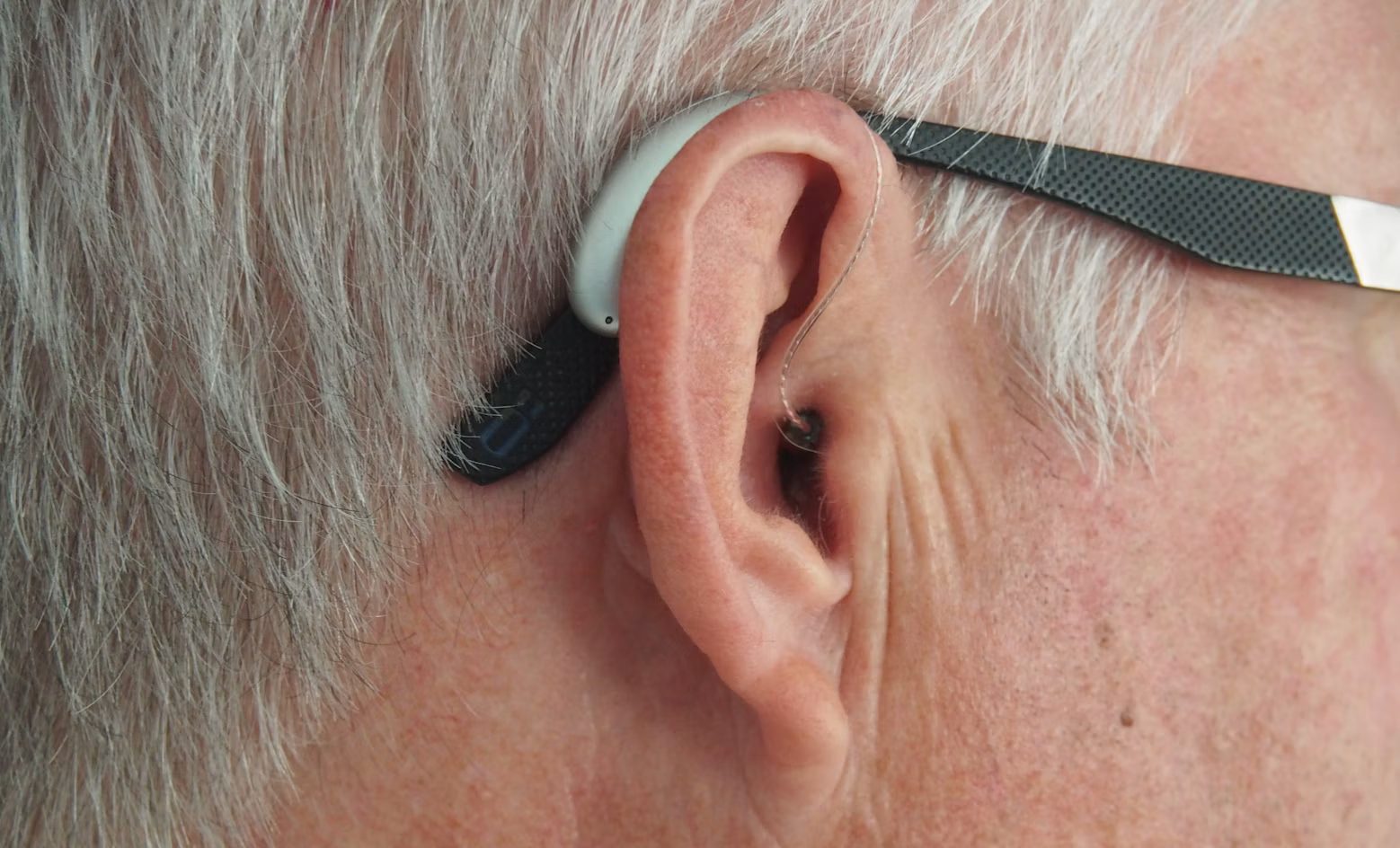
Severe hearing loss can affect how a person communicates, works, learns and interacts with others. Hearing aids can provide useful support for many people, but they may not provide enough amplification when damage to the inner ear is significant. In these situations, a cochlear implant may offer another option. Unlike hearing aids, which amplify sounds, cochlear implants work by sending electrical signals directly to the auditory nerve.
A cochlear implant does not restore natural hearing. Instead, it provides a different way for the brain to receive sound. With appropriate assessment, treatment and rehabilitation, the device can help some people with severe to profound hearing loss recognise speech and become more aware of sounds around them.
How Cochlear Implants Differ From Hearing Aids
Hearing aids and cochlear implants serve different purposes. A hearing aid primarily makes sounds louder so that the remaining functioning parts of the inner ear can process them. This approach can be effective when the auditory system can still respond adequately to amplified sound.
A cochlear implant takes a different approach. It bypasses damaged portions of the cochlea and directly stimulates the auditory nerve. This makes it particularly useful for people whose hearing loss is too severe for conventional hearing aids to provide sufficient benefit.
The decision between hearing aids and cochlear implants depends on several factors. Hearing ability, speech understanding, medical history, age, communication needs and previous experience with hearing devices can all be considered during an assessment.
Improving Speech Understanding
One of the main goals of cochlear implantation is to improve access to speech. For a person with severe hearing loss, conversations can become difficult when voices are quiet, several people are speaking, or background noise is present.
After implantation and activation, the brain needs time to adjust to the new auditory signals. Sounds may initially seem unfamiliar or unclear. Through continued use and auditory rehabilitation, the brain can gradually learn to interpret these signals.
Many recipients become better able to recognise familiar voices, understand spoken language and participate in conversations. However, outcomes vary between individuals. Factors such as the duration of hearing loss, age at implantation, hearing history and rehabilitation can influence results.
Supporting Communication and Daily Activities
Better access to sound can affect more than conversations. Environmental sounds can provide important information about what is happening nearby. A cochlear implant may help a person notice sounds such as doorbells, alarms, approaching vehicles or someone calling their name.
Improved awareness of environmental sounds can make everyday activities more manageable. It may also support greater independence in situations where hearing plays an important role.
For children, access to sound can be especially important for communication and language development. Early identification of significant hearing loss and appropriate intervention can help provide children with greater opportunities to develop listening and spoken-language skills, depending on their individual circumstances.
The Importance of Rehabilitation
Receiving a cochlear implant is not the end of the treatment process. Rehabilitation is an important part of learning how to interpret the sounds produced by the device.
An audiologist or hearing professional may adjust the speech processor over time to improve its settings. Auditory training can also help the recipient practise identifying and understanding different sounds.
For some people, progress can happen relatively quickly, while others require more time and regular practice. Consistent device use can help the brain become more familiar with the electrical signals. Children may also receive additional support for speech, language and communication development.
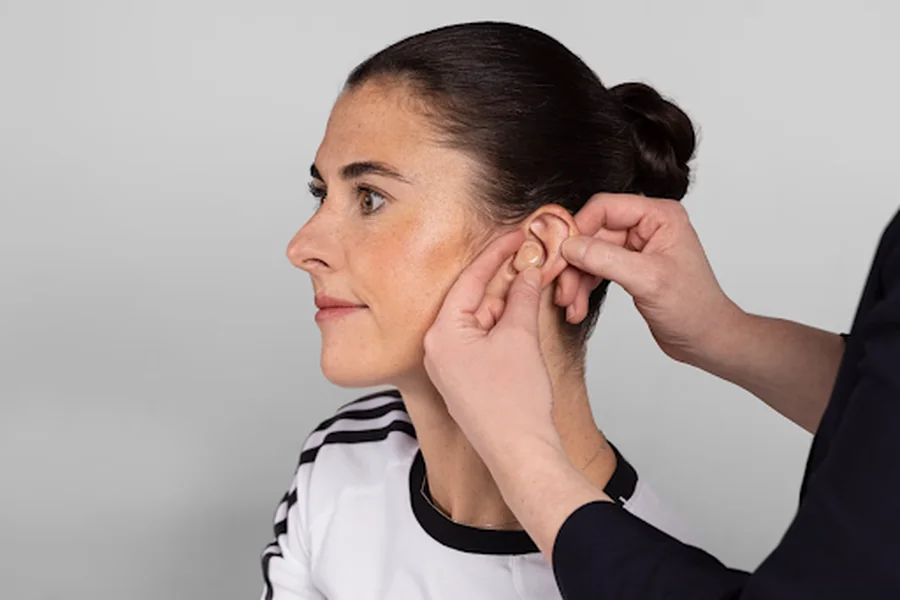
Who May Benefit From a Cochlear Implant?
Cochlear implants are generally considered for people with severe to profound sensorineural hearing loss who receive limited benefit from appropriately fitted hearing aids. However, not everyone with severe hearing loss will be a suitable candidate.
A cochlear implant assessment typically involves hearing tests, speech perception testing and a review of the person’s medical and communication history. Imaging may also be used to examine the structure of the inner ear and determine whether implantation is medically appropriate.
The assessment process allows the healthcare team to consider both potential benefits and possible limitations before recommending treatment.
Understanding the Limitations
Although cochlear implants can provide significant benefits, they do not produce normal hearing. The quality of sound can differ from natural hearing, particularly during the early stages of use. Some people may find it challenging to understand speech in noisy environments or distinguish certain sounds.
The procedure also involves surgery, and like other surgical treatments, it carries potential risks. The external equipment requires regular care, and the device may need adjustments as the person’s listening needs change.
Expectations are therefore an important part of the decision-making process. A healthcare professional can explain the likely benefits, limitations and rehabilitation requirements based on the individual’s hearing profile.
Conclusion
For people with severe hearing loss who gain limited benefit from hearing aids, cochlear implants can provide another route to accessing sound. By converting sound into electrical signals and stimulating the auditory nerve, the technology can support speech understanding and awareness of environmental sounds.
The benefits depend on individual circumstances, and successful outcomes often involve more than the implant itself. Careful assessment, appropriate device programming, regular use and rehabilitation all contribute to the process.
For eligible recipients, cochlear implants can become an important communication tool, helping them engage more confidently with conversations and everyday sounds. With continued advances in hearing technology and clinical care, cochlear implantation remains an important option for managing severe hearing loss.