
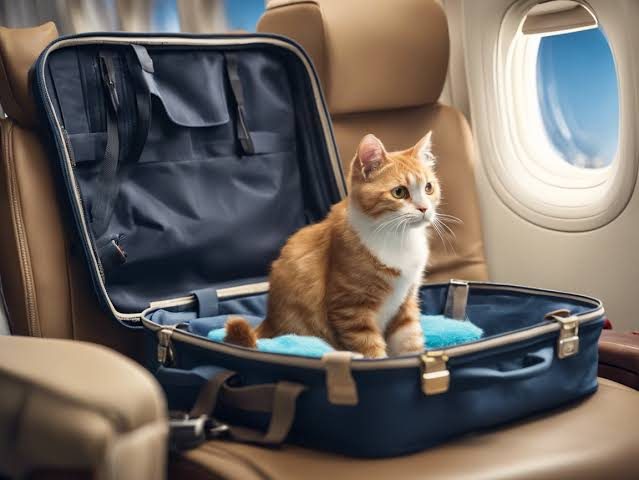
Flying With a Cat or Small Dog? 7 Things to Check Before Booking Your Flight
Planning a flight with your cat or small dog can be exciting, especially when you are looking forward to sharing a vacation or visiting family together. However, flying with pets involves more preparation than an ordinary trip.
Airline policies, carrier dimensions, pet comfort, and travel documents can all affect your plans. Checking these details early can help you avoid unnecessary stress at the airport. Here are seven important things to consider before your next journey.
A small dog waits in a ventilated travel carrier at the airport.
1. Confirm Your Airline Allows Pets in the Cabin
Not every airline accepts pets in the passenger cabin, and those that do may have different requirements. Some airlines limit the number of animals permitted on each flight, while others have restrictions based on the route, aircraft, or pet’s weight. Before purchasing tickets, review the airline’s current pet travel policy and confirm that space is available for your companion. It is also worth checking whether you need to reserve your pet’s spot separately.
2. Double-Check Carrier Dimensions
One of the most common travel mistakes is assuming that every soft-sided carrier is approved for air travel. Airlines typically specify maximum carrier dimensions, particularly for pets traveling beneath the seat in front of you. These measurements can vary between airlines and aircraft, so relying on a generic “airline-approved” product description may not be enough.
Before purchasing a carrier, consult an updated airline pet carrier size guide and compare its information with your airline’s official requirements. Remember to measure the carrier’s external dimensions, including any non-compressible parts.
3. Make Sure Your Pet Has Enough Room
A carrier that fits beneath an airplane seat is not necessarily comfortable for the animal inside. Your cat or dog should have sufficient room to settle naturally, turn around, and adjust position according to applicable airline requirements. Measure your pet’s length and height before shopping, rather than relying only on weight limits. Choosing the right fit can make a meaningful difference during longer periods inside the carrier.
4. Check Ventilation and Secure Closures
Good airflow is essential when pets travel in enclosed spaces. Look for carrier designs with adequate ventilation and secure openings that reduce the risk of accidental escapes. Soft-sided carriers with breathable mesh panels can be convenient for cabin travel, provided they meet the airline’s specific requirements. Check zippers, seams, and handles before leaving home. A damaged carrier can create avoidable problems during check-in or boarding.
5. Review Health and Documentation Requirements
Travel requirements may vary depending on your destination. Some journeys require veterinary health certificates, vaccination records, microchip documentation, or additional import paperwork. International travel can involve more complicated rules than domestic flights. Contact your veterinarian well before departure and verify requirements with the relevant authorities and airline. Do not assume that documents accepted for one destination will be sufficient for another.
6. Help Your Pet Become Familiar With the Carrier
Introducing a carrier for the first time at the airport can make an already unfamiliar experience more stressful. Instead, place it in a comfortable area of your home several weeks before traveling, if possible. Allow your pet to investigate the carrier voluntarily. A familiar blanket or occasional treats may help create positive associations. Practice short sessions with the carrier closed, gradually increasing the duration as your pet becomes comfortable.
Pet owners can also explore travel preparation resources and accessories from Fur Friend Cares when organizing their next journey.
A cat rests in a soft-sided carrier near an airport window before departure.
7. Prepare for Travel Day
Before leaving for the airport, organize your pet’s documents, identification, and essential supplies. Bring suitable cleaning materials and any items permitted by your airline. Consider your pet’s feeding and bathroom routine, and follow veterinary guidance for individual health needs. Arrive with enough time to complete check-in procedures without rushing. Never administer sedatives solely for air travel without veterinary direction, as they can create additional health risks.
A More Comfortable Journey Starts Before Takeoff
Flying with a pet does not have to feel overwhelming. By reviewing airline policies, confirming carrier measurements, preparing the necessary documents, and helping your companion become familiar with their travel space, you can reduce avoidable complications. Every pet has different needs, and airline rules can change. A little research before booking helps ensure your travel plans are realistic, practical, and centered on your pet’s well-being.
The best trips begin with thoughtful preparation, long before you arrive at the airport.