As consumers pay more attention to food safety and ingredient transparency, clean label products are gaining importance. Shoppers prefer fewer artificial additives while expecting good flavor, texture, and nutritional quality. For manufacturers, simpler formulations can make microbial control and shelf-life management more challenging.
High Pressure Processing (HPP) offers an additional approach. By applying high hydrostatic pressure to sealed foods at relatively low temperatures, HPP can help control certain foodborne pathogens and spoilage microorganisms while reducing quality changes associated with conventional heat treatment. For suitable products, it may reduce reliance on some traditional preservatives.
Supporting Clean Labels Through Processing Technology
Refrigerated juices, ready-to-eat meats, chilled sauces, and short-shelf-life foods must balance simple ingredient lists with safety and quality. Heat treatment can affect some heat-sensitive nutrients, natural colors, and flavors.
HPP offers several potential benefits:
- Reducing heat-related quality changes: HPP avoids prolonged high-temperature treatment, helping preserve fresh flavor, color, and certain heat-sensitive compounds in juices.
- Treating food after packaging: Products are sealed before processing. Pressure helps control target microorganisms while reducing contamination risks during post-process handling.
- Supporting simpler formulations: Where safety and regulatory requirements are met, HPP may reduce the need for certain preservatives and support shorter ingredient lists.
- Serving refrigerated food categories: Depending on the formulation, HPP can be used for juices, chilled meat products, sauces, and other refrigerated foods.
Turning Clean Label into Business Value
Clean label can help brands differentiate products through simpler ingredient lists, natural characteristics, and dependable safety practices. HPP may also support longer refrigerated shelf life, helping distribution and inventory management.
Cold-pressed juices may retain more fresh characteristics when thermal impact is minimized. Ready-to-eat meat products may benefit from post-packaging pressure treatment to help manage specific microbial hazards. Results vary with food composition, initial microbial levels, pressure, holding time, storage temperature, and packaging. Benefits must be validated for each product.
Validate the Process Before Scaling Up
HPP is not a universal route to “zero additives,” nor does it replace hygienic production, suitable packaging, raw-material controls, or cold-chain management. Low-acid foods and high-acid juices have different microbial safety requirements, while products with solid ingredients may respond differently from uniform liquids.
Before implementation, manufacturers should assess product characteristics and conduct microbial challenge studies, shelf-life evaluations, and quality comparisons to establish suitable processing conditions.
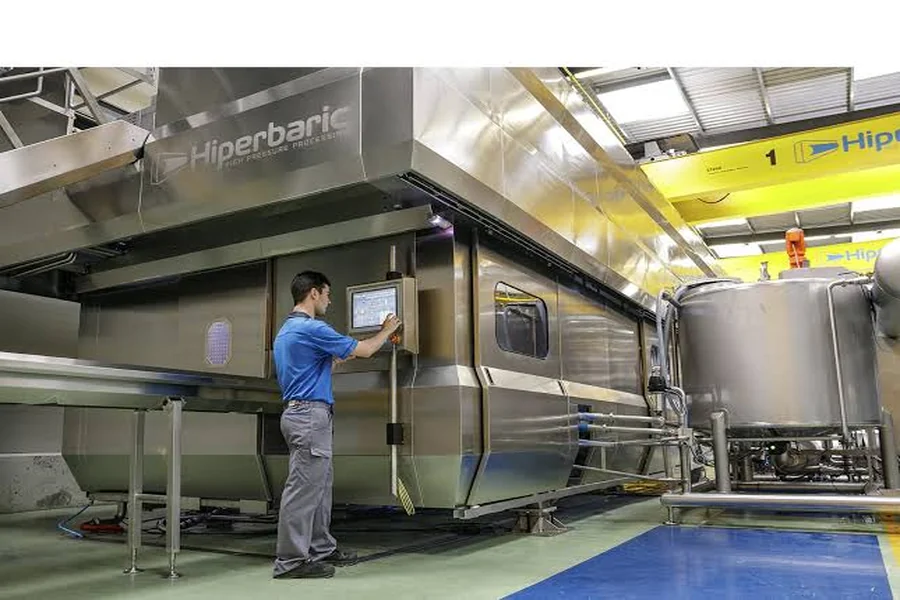
HiLock provides advanced HPP equipment and comprehensive application support through its food and material laboratories, with more than 1,000 food-related testing capabilities. From HPP equipment selection and laboratory trials to multi-parameter comparisons, third-party testing, and industrial-scale production validation, we help manufacturers evaluate processing performance, product safety, and quality, ensuring reliable solutions for their specific food applications.
From Clean Label Goals to Reliable Production
The goal is not simply to remove additives, but to balance safety, quality, and manufacturing performance. Supported by scientific testing and consistent production standards, HPP gives food and beverage manufacturers another option for developing clean-label products.
HiLock focuses on HPP technology, process validation, equipment selection, and integrated production-line solutions.