
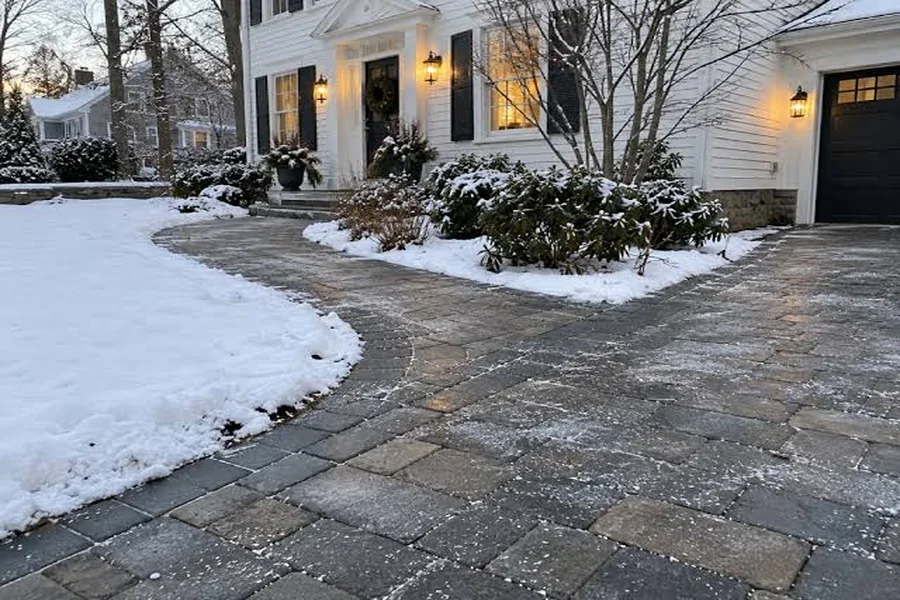
Winter weather can create several challenges for homeowners and property managers. Snow accumulation, icy surfaces, and freezing temperatures can make sidewalks, driveways, and outdoor pathways difficult to navigate. Regular winter maintenance helps reduce slip hazards and keeps properties accessible for residents, visitors, and pedestrians. Here are six practical ways to maintain safer walkways throughout the colder months.
-
Table of Contents
Schedule Timely Snow Removal With Neighbourhood Heroes
Removing snow shortly after a snowfall helps prevent thick accumulation and makes outdoor pathways easier to use. Property owners who need assistance can explore professional Edmonton snow removal services to keep their entrances, sidewalks, and driveways clear. Neighbourhood Heroes offers snow removal services that can help homeowners and property managers manage winter conditions. Arranging timely snow clearing can reduce potential hazards and make frequently used areas more accessible, especially during periods of heavy snowfall.
-
Apply Ice Melt Products to Slippery Surfaces
Even after snow has been cleared, thin layers of ice can remain on sidewalks, steps, and driveways. Applying appropriate ice melt products can help reduce slippery conditions and improve traction. However, property owners should choose products suitable for their pavement materials and follow the manufacturer’s instructions. Sand or grit can also provide additional traction in certain situations. Checking walkways regularly is important because changing temperatures can cause melted snow to freeze again.
-
Keep Drainage Areas Clear
Proper drainage plays an important role in preventing icy walkways. Blocked gutters, downspouts, and outdoor drains can cause water to collect near entrances and pathways. When temperatures drop, this standing water can freeze and create dangerous surfaces. Regularly removing leaves, debris, and accumulated snow from drainage areas helps water flow away from frequently used spaces. Property owners should also avoid directing downspouts toward sidewalks or driveways where runoff could freeze.
-
Maintain Proper Outdoor Lighting
Winter brings shorter daylight hours, making outdoor visibility especially important. Poor lighting can make it difficult for residents and visitors to identify snow-covered steps, icy patches, and uneven surfaces. Installing functional outdoor lights near entrances, driveways, and walkways can help improve visibility. Motion-sensor lighting and weather-resistant fixtures are practical options for residential properties. Regularly checking bulbs and replacing damaged fixtures can also help maintain adequate illumination throughout the winter season.
-
Create Clear and Accessible Pathways
Keeping pathways wide and unobstructed helps pedestrians move around properties more comfortably. When clearing snow, avoid piling it near entrances, ramps, stairs, and designated access routes. These areas should remain accessible to seniors, visitors, and individuals who use wheelchairs, walkers, or other mobility aids. Property owners should prioritize commonly used walkways and ensure that cleared routes provide enough room for safe movement.
-
Consider Professional Snow Removal Services
Managing repeated snowfall can become time-consuming, particularly for properties with large driveways or multiple walkways. Professional snow removal services provide access to appropriate equipment and scheduled maintenance options. This can help property owners maintain outdoor spaces without handling every clearing task themselves. Choosing a dependable service provider can make winter maintenance more manageable during periods of frequent snowfall.
Keeping Outdoor Walkways Safer Throughout Winter
Maintaining safe winter walkways requires consistent attention. Regular snow removal, ice prevention, proper drainage, and adequate lighting can help reduce hazards and keep outdoor spaces accessible throughout the season.