
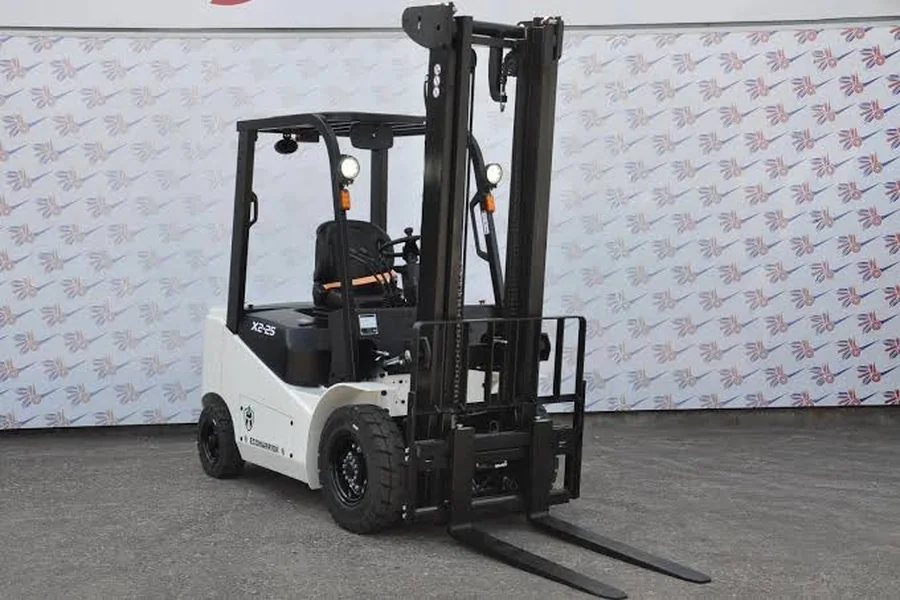
Forklift hire sounds straightforward until you realise how many variables sit behind a safe, efficient choice. Capacity, lift height, tyre type, fuel source, site access, operator competence, delivery timings—get any one of them wrong and the “simple” rental can quickly become an expensive workaround.
That matters in Birmingham more than it might elsewhere. The city’s industrial base is broad, from warehousing and manufacturing to construction, retail distribution, and redevelopment projects. One site may need a compact electric truck for narrow indoor aisles; another may need a diesel counterbalance machine that can cope with rougher outdoor conditions. The point is simple: forklift hire should start with the job, not the rate card.
Start With the Work, Not the Machine
Before comparing suppliers or looking at availability, define exactly what the forklift needs to do. That sounds obvious, but many rental issues begin with vague assumptions. “Moving pallets” can mean anything from unloading a curtain-sided lorry at ground level to stacking loads five metres high inside a busy warehouse.
Load Weight and Load Centre
The first question is capacity, but not just in the broad sense. You need to know the typical load weight and, ideally, the load centre as well. A forklift rated for a certain weight may not safely lift that same load if the dimensions push the centre of gravity forward. Long or awkward items—timber, machinery parts, oversized pallets—change the equation.
If you are working from estimated figures rather than confirmed ones, that is where mistakes happen. It is usually better to provide a supplier with photos, pallet dimensions, and average/max weights than to rely on a rough verbal description.
Lift Height and Mast Clearance
The second issue is vertical reach. How high does the truck actually need to lift? There is a big difference between loading at dock height and placing stock into high racking. At the same time, maximum lift height is only part of the story. You also need to consider the collapsed mast height if the forklift must pass through roller shutters, low doorways, or internal access points.
In older industrial units around Birmingham, where layouts can be less forgiving than in new-build logistics parks, that detail matters more than people expect.
Think Carefully About the Site Environment
A forklift that performs well in one environment may be completely unsuitable in another. Hiring decisions should reflect the surface, space, ventilation, and traffic levels on site.
Indoor, Outdoor, or Mixed Use?
Electric forklifts are often the right choice for indoor operations because they produce no exhaust emissions and tend to be quieter. They are particularly useful in warehouses, retail back-of-house areas, and food or pharmaceutical environments where air quality matters. Diesel or LPG trucks may be better suited to longer shifts, heavier outdoor work, or uneven yards, depending on the operating pattern.
This is also the point where it helps to review local options for industrial truck rental Birmingham businesses can access, especially when site conditions vary from one project to the next. A city like Birmingham has a wide mix of industrial premises, and the best hire decision is often the one tailored to the physical realities of the location rather than the headline specification of the truck.
Ground Conditions and Tyres
Surface conditions affect stability, tyre wear, and operator comfort. Smooth concrete floors are one thing; broken yards, ramps, wet surfaces, or shared construction areas are another. Cushion tyres, pneumatic tyres, and non-marking options all have different strengths. If the forklift will spend part of the day outside and part inside, that hybrid use should be discussed upfront rather than treated as an afterthought.
Hire Duration Changes the Best Option
Not every forklift hire requirement should be treated as a short-term fix. Duration affects cost, availability, servicing arrangements, and even which machine makes the most sense.
Short-Term Peaks vs Ongoing Demand
If you are covering a seasonal spike, incoming stock surge, shutdown period, or one-off building project, a short-term hire may be the most practical route. On the other hand, if demand is recurring, it is worth thinking beyond the immediate booking. Repeated ad hoc hires can end up costing more and creating inconsistency in equipment specification.
Ask yourself whether the need is temporary, intermittent, or effectively permanent. That answer shapes everything from rental length to maintenance expectations.
Don’t Overlook Operator and Compliance Issues
One of the most common blind spots in forklift hire is assuming that if the truck is available, the job can begin. In reality, equipment is only one part of the picture.
Training, Authorisation, and Safety Planning
Operators should be appropriately trained for the type of truck being used, and employers still need to authorise them for site-specific duties. A trained operator who is unfamiliar with your loading areas, pedestrian routes, blind corners, or yard rules may still present a risk without proper induction.
It is also worth checking the basics before the truck arrives:
- Who will use it, and are they trained on that class of truck?
- Is there enough room for turning, stacking, and safe pedestrian separation?
- Will the forklift need charging, refuelling, or battery changing support?
- Are delivery access and collection times realistic for the site?
Those practical questions can prevent delays that no hire agreement will solve.
Look Beyond the Daily Rate
Price matters, but comparing forklift hire on day rate alone rarely gives the full picture. The cheapest option can become the costly one if it is poorly matched to the application or if key terms are unclear.
What’s Included?
Ask what is covered in the agreement: transport, breakdown support, servicing, replacement arrangements, attachments, and limits on operating hours if relevant. If you need side shift, fork positioners, extended forks, or specialist attachments, those should be specified early. They affect both availability and suitability.
In Birmingham, where delivery schedules can be tight and sites may be operating across busy commercial areas, response time matters too. A low hire price is not much comfort if a breakdown leaves a loading bay idle.
Final Thought: Precision Saves Money
Good forklift hire is less about getting a truck quickly and more about getting the right truck with the right support. When you define the job clearly, assess the site honestly, and think through compliance and operating conditions, you dramatically improve the odds of a smooth hire.
That may not be the most glamorous part of operations planning, but it is often one of the most valuable. A little precision at the start saves time, reduces risk, and keeps work moving when it matters most.