
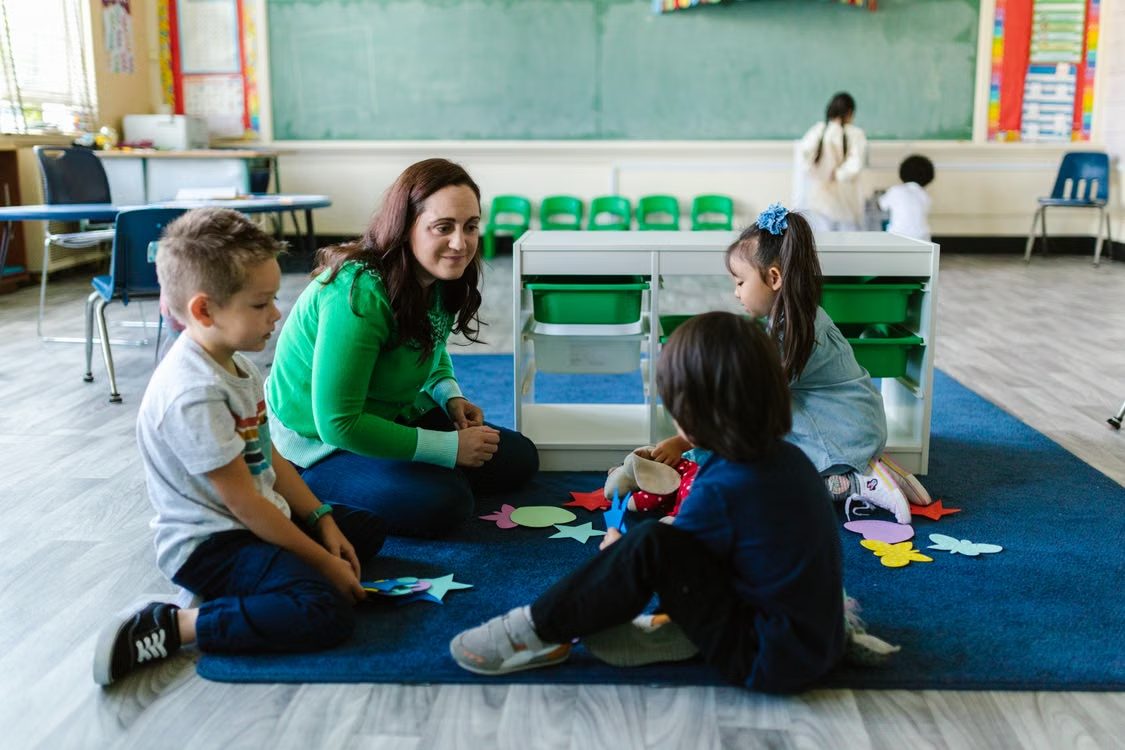
Early childhood education plays an important role in shaping a child’s development, confidence, and approach to learning. The kindergarten years are often a child’s first structured experience outside the home, making choosing a school an important decision for parents. Ang Mo Kio Preschool, Infant Care & Childcare Centre by Little Footprints Preschool offers families an option for quality early childhood education and care in a nurturing environment.
In Singapore, families consider various factors when selecting a kindergarten, including teaching approaches, location, learning environment, curriculum, and the support provided by educators. For many parents, kindergartens in Ang Mo Kio are an attractive option due to the area’s accessibility, family-friendly environment, and range of early education choices.
A suitable kindergarten should provide more than academic preparation. It should encourage curiosity, social development, creativity, communication skills, and independence while creating a safe environment where children feel comfortable learning and exploring.
Understanding Early Childhood Education in Singapore
Kindergarten education focuses on preparing young children for primary school while supporting their overall development.
Unlike formal academic learning, early childhood education uses age-appropriate activities to help children develop important skills through play, exploration, and guided learning.
Children typically learn through activities involving language, mathematics, creative expression, physical movement, problem-solving, and social interaction.
A quality kindergarten recognises that every child develops at a different pace. Effective educators create learning experiences that encourage participation while supporting individual strengths and areas for improvement.
The goal is not simply to teach children facts but to build confidence, curiosity, and a positive attitude towards learning.
Why Ang Mo Kio Is a Popular Choice for Families
Ang Mo Kio is a well-established residential area in Singapore with convenient transport connections, community facilities, and amenities that support family living.
For parents, having a kindergarten located near home can make daily routines easier. Shorter travel times may reduce stress for both parents and children, especially during busy mornings.
The area also offers access to various educational and community resources, allowing families to find options that suit their preferences and childcare arrangements.
A convenient location is often one of the first considerations for parents because consistency and accessibility play an important role in a child’s early learning experience.
What Parents Should Look for in a Kindergarten
Choosing a kindergarten involves more than finding the closest option.
Parents should consider several factors to determine whether a school matches their child’s needs and their family’s expectations.
The learning approach is one important consideration. Some kindergartens may focus on structured academic preparation, while others emphasise play-based learning, creativity, or character development.
The qualifications and experience of teachers also matter. Caring and attentive educators help children feel secure while encouraging them to participate and develop new skills.
The classroom environment should be safe, welcoming, and designed to support children’s curiosity and independence.
A Balanced Curriculum for Young Learners
A strong kindergarten curriculum balances different areas of development.
Language and communication activities help children express themselves, build vocabulary, and develop listening skills.
Early mathematics activities introduce basic concepts such as counting, patterns, comparisons, and problem-solving through engaging exercises.
Creative activities involving art, music, storytelling, and movement allow children to explore ideas and express themselves.
Social learning is equally important. Group activities teach children how to share, cooperate, communicate, and build relationships with their classmates.
A balanced approach ensures children develop a wide range of skills rather than focusing only on academic abilities.
Supporting Social and Emotional Development
The kindergarten years are an important time for children to develop emotional awareness and social confidence.
A supportive kindergarten environment helps children learn how to manage emotions, interact respectfully with others, and become more independent.
Teachers play an important role by guiding children through challenges, encouraging positive behaviour, and creating opportunities for teamwork.
Activities such as group discussions, collaborative projects, and classroom routines help children develop confidence in communicating with others.
These skills become valuable as children transition into primary school and continue through later stages of education.
The Role of Teachers in Early Learning
Teachers have a significant influence on a child’s early educational experience.
Beyond delivering lessons, kindergarten educators provide encouragement, guidance, and emotional support.
Experienced teachers understand how young children learn and adapt their teaching methods to suit different learning styles.
They observe children’s progress, identify areas where additional support may be needed, and create activities that encourage growth.
A positive relationship between teachers and students helps children feel comfortable asking questions, exploring new ideas, and participating actively in class.
Considering Facilities and Learning Environment
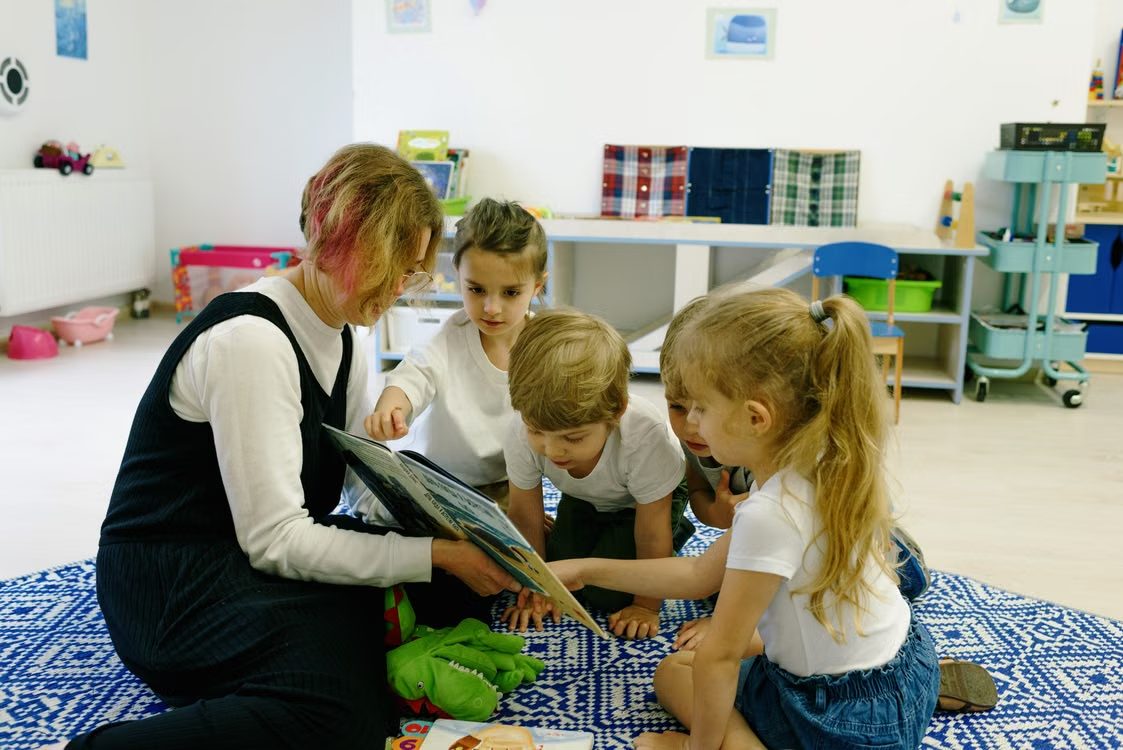
The physical environment of a kindergarten can influence how children interact and learn.
Parents may wish to consider whether classrooms are comfortable, organised, and suitable for young learners.
Outdoor play areas, creative spaces, reading corners, and activity zones can provide opportunities for children to explore different interests.
Safety measures should also be a priority, including secure facilities, appropriate supervision, and clean learning spaces.
A well-designed environment supports both structured learning and independent exploration.
Preparing Children for Primary School
One of the main purposes of kindergarten education is helping children develop the skills needed for primary school.
This includes academic foundations such as literacy and numeracy, as well as practical skills like following instructions, completing tasks, and working with others.
Children who develop confidence and independence during kindergarten often find the transition to primary school smoother.
A good kindergarten prepares children by building positive learning habits rather than creating unnecessary pressure.
Making the Right Choice for Your Child
Every child has different needs, interests, and personalities.
While recommendations and reviews can be helpful, parents should consider whether a kindergarten’s environment and teaching approach suit their own child.
Visiting the school, speaking with teachers, understanding the curriculum, and observing the learning environment can provide valuable insights.
The best choice is one where children feel supported, encouraged, and excited to learn.
Conclusion
Choosing the right kindergarten in Ang Mo Kio is an important decision that can influence a child’s early development and attitude towards learning. A quality kindergarten provides more than academic preparation by supporting social skills, creativity, confidence, and independence.
By considering factors such as curriculum, teaching quality, facilities, location, and learning environment, parents can make a more informed decision that supports their child’s needs. The right early education experience helps children build a strong foundation for future learning while allowing them to enjoy the important journey of childhood.