
Dressing for your body type isn’t about following rigid rules or hiding your shape, it’s about understanding proportion and fit so you can highlight what makes you feel confident. Once you understand a few basic principles, choosing flattering clothes becomes far easier, regardless of your specific shape or size.
Understanding Body Shape Basics
It’s About Proportion, Not Perfection
Body shape guidance isn’t about achieving one “ideal” silhouette, it’s about understanding how different cuts and styles interact with your natural proportions to create balance.
Common Body Shape Categories
While every body is unique, general categories like pear, apple, hourglass, rectangle, and inverted triangle are often used as starting points for understanding proportion and fit.
Dressing for Different Shapes
Pear Shape (Fuller Hips, Narrower Shoulders)
Structured tops, statement necklines, and details on the upper body help balance proportions, while A-line skirts and dark, straight-leg trousers create a streamlined lower half.
Apple Shape (Fuller Midsection)
Empire waistlines, V-necks, and flowing fabrics around the midsection create a flattering silhouette, while structured jackets and straight-leg pants add balance without clinging to the waist.
Hourglass Shape (Balanced Bust and Hips, Defined Waist)
Fitted styles that follow the body’s natural curves, like wrap dresses or belted silhouettes, tend to highlight this shape’s natural proportion.
Rectangle Shape (Balanced Bust, Waist, and Hips)
Creating the illusion of curves through details like ruffles, peplum tops, or belted waists adds dimension, while layering can introduce visual interest to a streamlined frame.
Inverted Triangle (Broader Shoulders, Narrower Hips)
Softer necklines, A-line skirts, and wider-leg trousers help balance proportions, while drawing attention downward with patterns or details on the lower half creates harmony.
Universal Principles That Work for Everyone
Focus on Fit Above All
Regardless of body shape, well-fitted clothing, not too tight, not too loose, will almost always look more flattering than something either restrictive or oversized in the wrong places.
Understand Proportion Balancing
If one part of an outfit is fitted, balancing it with a looser piece elsewhere (and vice versa) tends to create a more polished, intentional look.
Use Vertical Lines to Elongate
Vertical seams, pinstripes, or monochromatic outfits can create the illusion of height and a leaner silhouette when desired.
Dressing for Confidence, Not Just Rules
Personal Comfort Matters Most
While body shape guidelines offer a helpful starting point, personal comfort and style preference should always take priority. Clothes that make you feel confident often have more impact than strict adherence to any formula.
Experiment to Find What Works
Body shape guidelines are generalizations, individual proportions vary widely even within the same category. Trying different silhouettes and paying attention to what genuinely feels and looks good is more valuable than rigidly following rules.
Building a Wardrobe That Works for You
Invest in Key Flattering Pieces
Once you identify silhouettes that consistently work well for your body, prioritize these styles when building out your wardrobe, rather than purchasing based on trends alone.
Don’t Be Afraid to Tailor
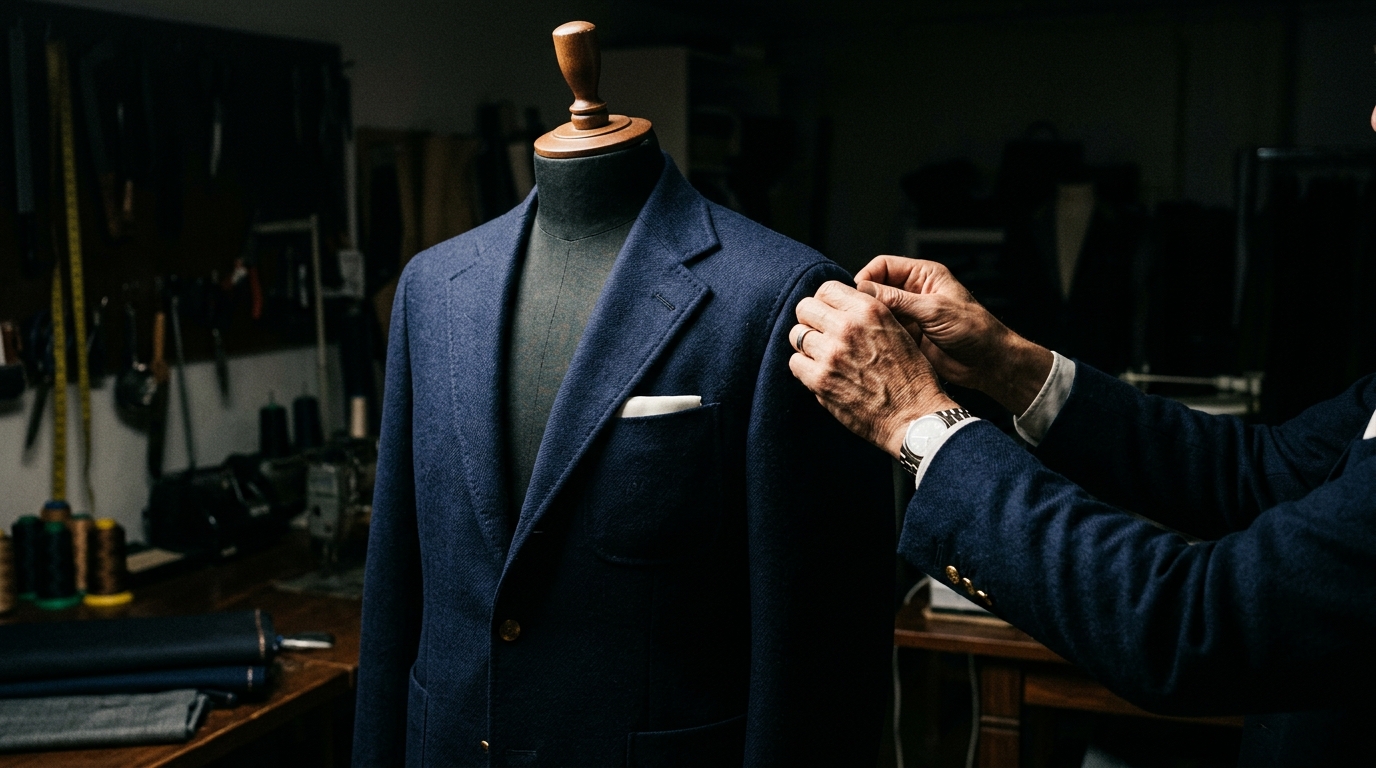
Simple alterations, like hemming pants or adjusting a waistline, can dramatically improve how off-the-rack clothing fits your specific proportions.
Final Thoughts
Understanding your body type isn’t about limiting your options, it’s about making informed choices that highlight your natural proportions and boost your confidence. By focusing on fit, balance, and what genuinely makes you feel good, you can build a wardrobe that flatters your shape while still reflecting your personal style.