
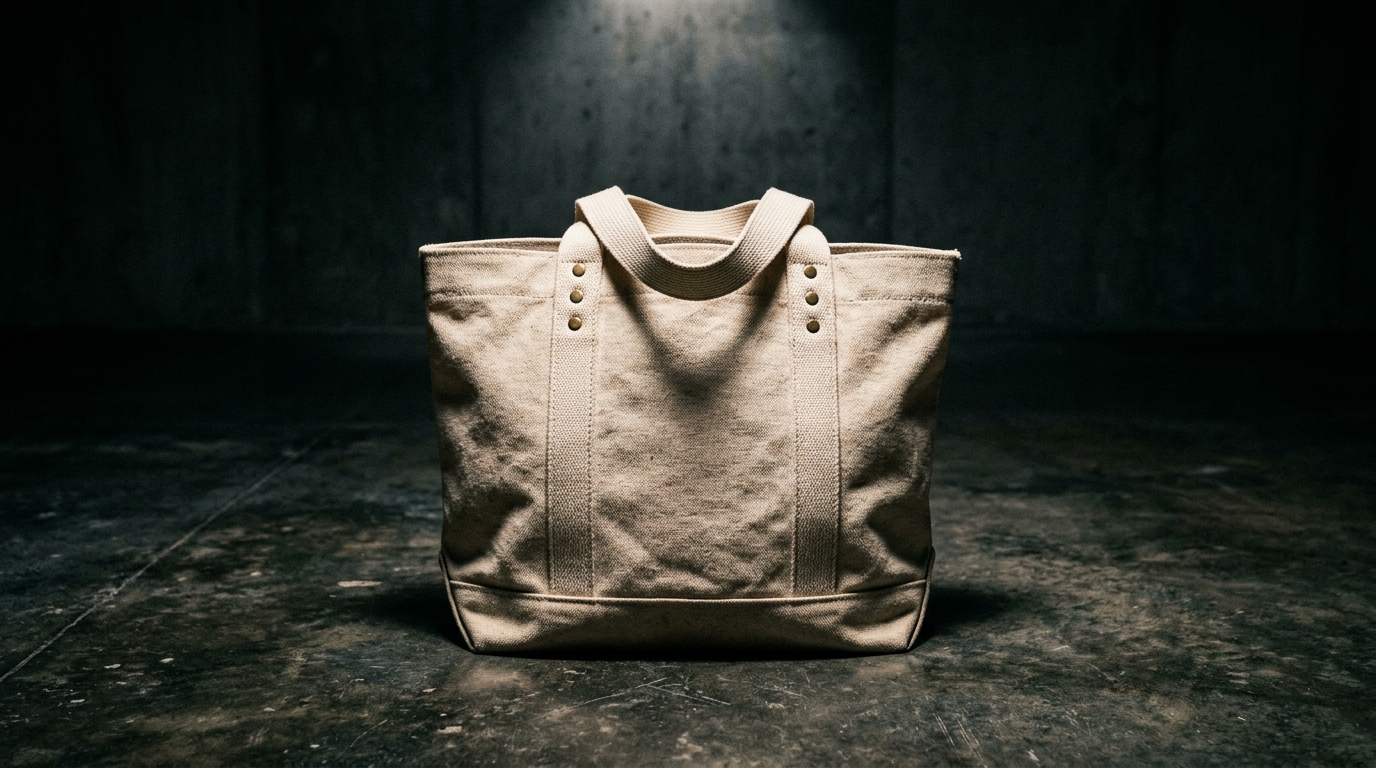
The fashion industry is one of the largest contributors to environmental waste and pollution worldwide, but a growing shift toward sustainable fashion is offering a more conscious alternative. Whether you’re new to the concept or looking to deepen your commitment, understanding why sustainable fashion matters and how to start incorporating it into your wardrobe can make a meaningful difference.
Why Sustainable Fashion Matters
The Environmental Cost of Fast Fashion
Fast fashion’s rapid production cycles rely heavily on cheap materials, mass manufacturing, and quick turnover, resulting in significant water usage, chemical pollution, and textile waste that ends up in landfills at an alarming rate.
The Human Impact
Beyond environmental concerns, fast fashion has often been linked to poor labor conditions and low wages in manufacturing, making sustainability as much a social issue as an environmental one.
The Value of Longevity
Sustainable fashion emphasizes quality over quantity, encouraging pieces designed to last rather than garments meant to be discarded after a few wears, reducing overall consumption and waste.
Core Principles of Sustainable Fashion
Quality Over Quantity
Investing in well-made pieces that last longer, rather than frequently replacing cheaply made items, reduces the overall environmental footprint of your wardrobe.
Ethical Production
Supporting brands that prioritize fair wages, safe working conditions, and transparent supply chains addresses the social dimension of sustainability alongside environmental concerns.
Eco-Friendly Materials
Organic cotton, recycled fabrics, and materials produced with lower environmental impact are central to reducing fashion’s ecological footprint.
How to Get Started with Sustainable Fashion
Shop Your Own Closet First
Before buying anything new, take stock of what you already own. Often, forgotten pieces can be restyled or paired differently, reducing the need for new purchases.
Buy Less, But Buy Better
Shifting toward fewer, higher-quality purchases rather than frequent, low-cost buys reduces waste and often results in pieces that last significantly longer.
Explore Secondhand and Vintage Shopping
Thrift stores, consignment shops, and online resale platforms offer an accessible way to find unique pieces while extending the life cycle of existing garments.
Research Brands Before Buying
Many brands now publish information about their sourcing, labor practices, and environmental initiatives. A little research can help you make more informed choices about where your money goes.
Take Care of What You Own
Proper washing, storage, and repair can significantly extend the life of your clothing, reducing the frequency of replacement purchases.
Consider Clothing Swaps and Rentals
For occasional-use items like formal wear, swapping with friends or renting can reduce the need to purchase pieces that will rarely be worn again.
Common Misconceptions
Sustainable Fashion Isn’t Always Expensive
While some sustainable brands carry higher price tags, buying less frequently, shopping secondhand, and caring for existing garments can make sustainable fashion more affordable than constantly replacing fast fashion items.
It Doesn’t Require an All-or-Nothing Approach
Sustainable fashion isn’t about achieving perfection overnight. Small, consistent changes, like buying less or choosing secondhand more often, add up to meaningful impact over time.
Final Thoughts
Sustainable fashion offers a way to enjoy personal style while reducing the environmental and social costs often hidden behind fast fashion’s low prices. By focusing on quality, supporting ethical practices, and making more intentional purchasing decisions, anyone can begin shifting toward a more sustainable wardrobe, one thoughtful choice at a time.