In recent years, vinyl wrapping has emerged as a versatile and transformative process that breathes new life into various surfaces. From vehicles to kitchen cabinets, this innovative technique involves applying a thin layer of vinyl film over surfaces, offering endless opportunities for customisation, protection, and brand expression. Vinyl wrapping can also be tailored to different aesthetic preferences, making it a practical option for both personal and commercial applications.
The Origins of Vinyl Wrapping
Vinyl wrapping as we know it today has roots dating back to the early experiments with adhesive films in the 1920s. However, it wasn’t until the late 20th century that the technology caught up with the vision, enabling wide-scale application. Originally used for advertising, the capability to create eye-catching graphics on moving vehicles revolutionised the marketing industry. Over time, advances in technology and the development of high-quality vinyl materials broadened the application beyond advertising, paving the way for aesthetic and protective purposes.
How Vinyl Wrapping Works
Vinyl wrapping involves several meticulous steps to ensure a pristine finish:
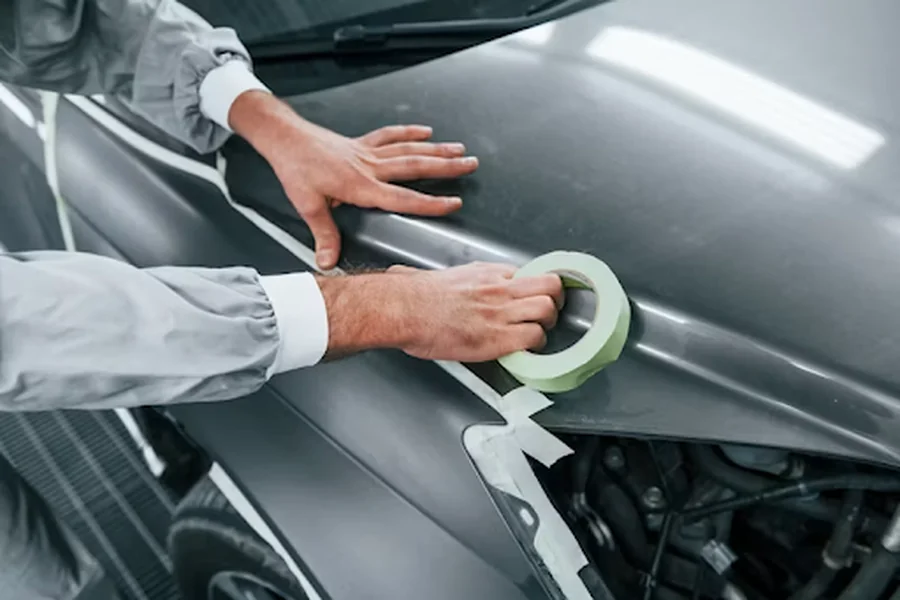
- Preparation: The surface must be clean and smooth. For vehicles, this may involve washing, claying, and sometimes sanding to remove imperfections.
- Design and Printing: If a custom design is required, it is created digitally and then printed onto the vinyl material using special inks that are robust enough to withstand external elements.
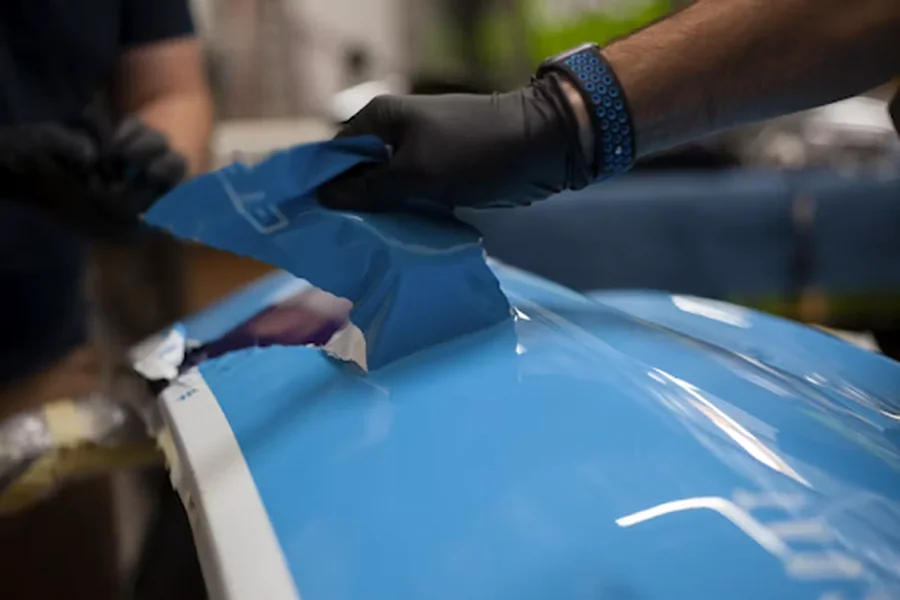
- Application: The vinyl is carefully laid out and heat-treated to conform to the curves and contours of the surface. This requires skilled precision and sometimes multiple technicians to achieve a seamless fit.
- Post-application: After adhering the film, the surface is examined for bubbles or imperfections, which are smoothed out. The edges are then securely sealed to ensure longevity.
The Benefits and Applications of Vinyl Wrapping
Vinyl wrapping unlocks a wide array of benefits that are appreciated across various industries.
Customisation and Aesthetics
One of the most compelling reasons for choosing vinyl wrapping is the freedom it offers in design. Unlike traditional paint jobs, vinyl can incorporate complex patterns, logos, or textures without the need for extensive labour. This flexibility extends to choosing finishes such as matte, gloss, or satin, each creating a distinct visual impact.
Protection
Vinyl wrapping protects the original surface underneath by acting as a barrier against environmental hazards like stone chips, UV rays, and harsh weather conditions. This protective quality helps in maintaining resale value, particularly in vehicles where the original paintwork remains preserved.
Cost-Effectiveness
Compared to repainting or refurbishing a vehicle or item, vinyl wrapping is often more affordable and less time-consuming. Additionally, if trends or personal tastes change, removing or replacing the wrap is straightforward and causes no damage to the original surface.
Branding and Advertising
For businesses, vinyl wrapping offers an outstanding medium for elaborative brand expressions. From corporate vehicles to storefronts, this technique transforms mundane surfaces into dynamic advertising spaces that capture attention and communicate brand identity effectively.
Challenges and Considerations
Despite its many advantages, vinyl wrapping is not without its challenges. Improper installation can lead to bubbling or peeling, which detracts from the aesthetic appeal and may require reapplication. It’s imperative that the process be undertaken by experienced professionals to ensure a high-quality finish. Furthermore, not all surfaces are suitable for vinyl wrapping, and some materials may not adhere well to the film, potentially leading to premature wear.
The Future of Vinyl Wrapping Technology
As technology advances, the vinyl industry continues to expand its horizons. New developments in material science and digital printing promise even more durable and versatile wraps. Innovations such as self-healing vinyl that can repair minor scratches or films that change colour with temperature fluctuations are already on the horizon, hinting at a future where the possibilities are as limitless as creativity allows.
Additionally, the environmental impact of vinyl wrapping is an ongoing consideration. Current research is aiming to improve eco-friendliness through biodegradable materials and sustainable production processes. These efforts not only contribute to a greener future but may also enhance the longevity and performance of the wraps.
Conclusion
Vinyl wrapping has undoubtedly reshaped how individuals and businesses use surfaces for functional and aesthetic purposes. With its remarkable adaptability, protection, and burgeoning technological advancements, vinyl wrapping stands as a testament to innovation in material sciences. Whether making a style statement or expanding brand visibility, this technique continues to gain traction, underlining an era where personalisation and practicality converge seamlessly.