
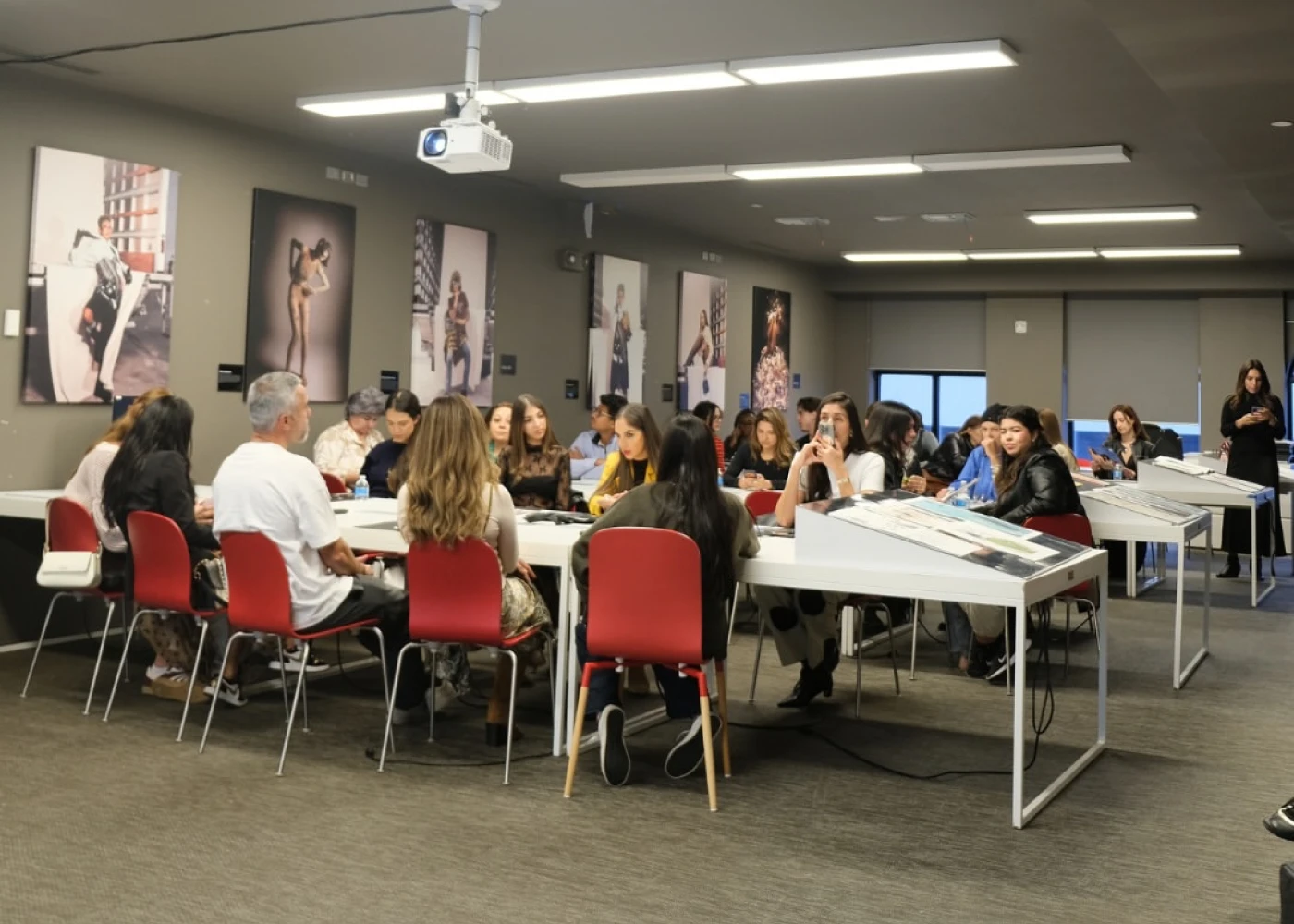
The specific designation “Bachelor of Science” rather than “Bachelor of Fine Arts” signals something meaningful about curriculum emphasis, even though both degree types exist within the broader fashion education landscape. A Bachelor of Science in Fashion Business at https://www.istitutomarangonimiami.edu/undergraduate-programs/bachelor-of-science-in-fashion-business/ typically weights coursework toward quantitative and analytical skills, data-driven decision making, financial analysis, and systematic business strategy, distinguishing it from a BFA’s typical emphasis on creative and conceptual development. This distinction matters for prospective students trying to understand what kind of daily coursework and skill development they should actually expect from a program carrying this specific designation.
This science-oriented framing reflects how the fashion industry itself has evolved, since modern fashion business roles increasingly demand genuine data literacy alongside traditional merchandising instinct. A buyer today needs to interpret sales data, forecast demand using quantitative models, and justify purchasing decisions with financial analysis, skills that a Bachelor of Science curriculum builds deliberately rather than treating as secondary to more purely creative or conceptual coursework that a different degree designation might emphasize instead.
What Specific Coursework Actually Fills This Kind of Curriculum
Retail math represents one of the more concrete, skills-based courses typically found within this kind of program, covering markup calculations, margin analysis, and the specific financial mechanics that determine whether a particular buying or pricing decision actually makes commercial sense for a business. Students without prior comfort with quantitative coursework sometimes find this component more demanding than the creative fashion coursework they may have anticipated when initially considering a fashion-focused degree, and prospective students benefit from understanding this quantitative demand upfront rather than assuming a fashion business degree avoids rigorous math entirely.
Trend forecasting coursework similarly blends creative pattern recognition with more systematic analytical methodology, teaching students to identify emerging trends through structured research and data analysis rather than relying purely on subjective creative intuition alone. Merchandising systems coursework rounds out this practical skill set, covering the actual software and systematic processes retailers use to manage inventory, track performance, and make ongoing purchasing decisions at the scale a real fashion business actually requires, beyond what a small-scale, purely conceptual understanding of merchandising theory would prepare a graduate to handle.
Why the Capstone Project Structure Matters for Career Preparation
Many bachelor’s programs in fashion business culminate in a capstone project requiring students to develop and defend a comprehensive business plan or strategic analysis, synthesizing the various skills developed across their coursework into a single, substantial deliverable resembling actual industry work. This capstone structure gives students a concrete deliverable to discuss during job interviews, demonstrating not just accumulated knowledge but the ability to apply that knowledge toward a genuine, complex business problem resembling what an entry-level fashion business role might actually involve.
Employers reviewing candidates from these programs often specifically ask about capstone project work during interviews, since this project provides a more concrete demonstration of applied skill than a simple list of completed coursework ever could on its own. Students benefit from treating their capstone project seriously as a genuine portfolio piece rather than merely a graduation requirement to complete adequately, since a strong, well-executed capstone project can become one of the most persuasive pieces of evidence a new graduate has available when actually competing for entry-level positions against other candidates with similar academic credentials.