
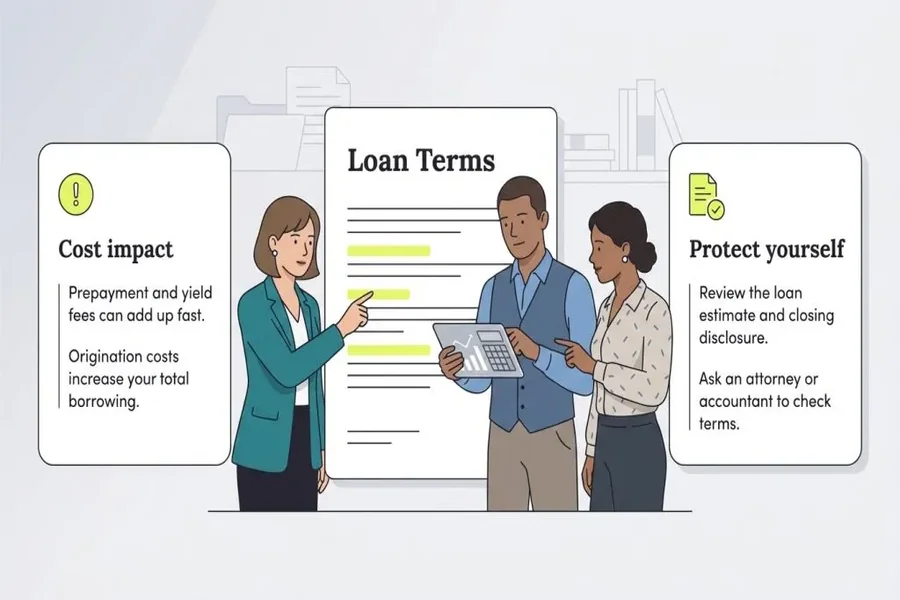
When seeking financial assistance, it’s crucial to compare lenders effectively to ensure you are getting the best deal possible. The core aspects to contemplate include fees, terms, and the total amount repayable. Whether you’re reviewing mortgage options, personal loans, or searching for the best payday loans, conducting a detailed comparison can save you money and time in the long run.
The Importance of Understanding Fees
Fees are often the hidden costs behind many lending products. Knowing precisely what fees you might incur whether they be upfront charges, origination fees, or late payment penalties can vastly affect the affordability of a loan. When you compare lenders, ensure you obtain a comprehensive list of any fees involved. It is not uncommon for low-interest loans to disguise substantial fee structures, thereby making them more expensive in reality.
Evaluating Loan Terms
Loan terms consist of the conditions agreed upon by both the lender and the borrower, including the repayment schedule and interest rate type. The length of the loan term can influence the monthly repayment amount as well as the total interest paid over the life of the loan. Short-term loans generally have higher monthly payments but accrue less interest overall compared to long-term loans. Therefore, evaluating the terms not only impacts your current financial commitments but also the total cost of the loan.
Total Repayable Amount
The total repayable amount is the sum of the principal and the interest charged throughout the loan’s lifespan. When comparing different loan products, the total repayable figure allows for a straightforward comparison between options. It’s a crucial figure that accumulates both obvious expenses like interest and less visible costs like fees, offering a clear insight into what you’ll pay over time.
Assessing Interest Rates
Interest rates can either be fixed or variable, each carrying its own set of pros and cons. Fixed rates offer stable repayments that don’t change over the loan’s tenor, providing financial predictability, while variable rates can fluctuate, potentially offering lower initial rates with the risk of increase. Comparing lenders requires an understanding of how each rate type will impact your individual financial status and future repayment capability, as variable rates can result in higher costs if rates increase over time.
Research and Compare Lenders
Collecting detailed offers from multiple lenders allows for a well-rounded comparison. Take the time to read reviews and testimonials, and seek advice from financial advisors if necessary. Online comparison tools can also aid in this process by presenting side-by-side comparisons of different lender offerings. However, remember that the best choice for one borrower may not be the most suitable for another. Personal financial circumstances should always guide your choice.
In conclusion, taking the time to thoroughly evaluate lenders can lead to significant savings and financial ease over the lifecycle of the loan. Understanding the full scope of fees, terms, and the total repayable amount helps ensure that the loan you choose aligns with both your current financial needs and future repayment plans. By implementing these strategies, you can secure a loan that meets your needs responsibly and sustainably. Remember that an informed choice is the foundation of a sound financial future.