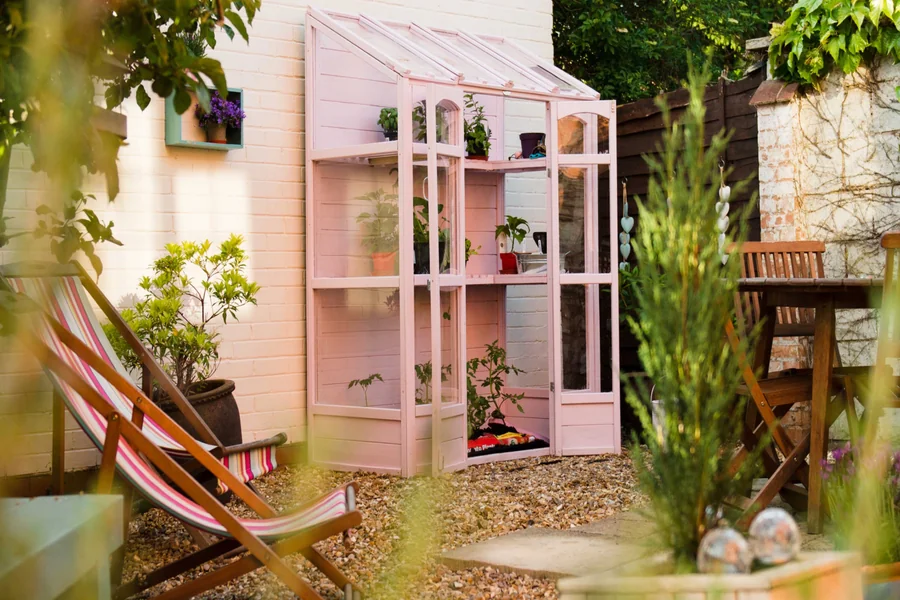
As Australian capital cities continue to embrace urban infill and subdivided blocks, backyard space is becoming a premium commodity. According to the 2026 HIA-Cotality Residential Land Report, the national median block size has fallen to 645 square metres. In densely populated areas like Sydney, new-build sites have shed over 60 square metres from their average footprint over the past decade despite surging land prices.
The Urban Development Institute of Australia State of the Land 2026 report highlights a severe shortage of available land supply. This ongoing trend means buyers are paying premium prices for smaller parcels and must relentlessly optimise every single square metre of their property. When the backyard shrinks, finding room for gardening tools, seasonal gear, and outdoor equipment becomes a significant challenge. However, compact living does not have to mean cluttered living. With the right spatial organisation, you can easily maintain a functional and inviting outdoor space.
The Shift from Garage to Garden
Historically, the household garage served as a catch-all for bulky home storage. That dynamic is rapidly changing across the country. A growing number of Australians are converting their garages into permanent lifestyle spaces. Research from Deakin University highlights a massive trend toward at-home fitness and digital wellness, which has driven the transformation of residential garages into customised workout studios and remote workspaces.
Because modern garages are increasingly used as living or working spaces, homeowners are forced to look outward for their primary storage solutions. The shift towards utilising the garage as an insulated, acoustically treated extension of the home means that dirty or bulky items like lawnmowers, gardening tools, and seasonal gear are frequently pushed out into the yard.
This relocation demands dedicated, weather-proof infrastructure to house the overflow. Installing a small outdoor shed provides a highly logical solution for keeping a compact yard tidy and secure. Given Australia’s unpredictable weather patterns, having a robust place to shelter tools prevents premature rust and damage. By choosing a suitably sized unit, you can easily organise your essential equipment without allowing large structures to dominate your natural greenery.
The Financial and Psychological Cost of Clutter
Allowing relocated garage items to pile up on the lawn or patio does more than just ruin your landscaping efforts. It can actively harm your property’s market appeal. Proper spatial organisation is absolutely essential for preserving property value. In fact, real estate surveys highlight that nearly six in 10 agents estimate that an untidy yard can decrease a home’s value by 20% or more, making dedicated exterior storage a remarkably smart financial investment.
Beyond the direct financial impacts, there is a distinct psychological toll associated with disorganised environments. Psychologists at Deakin University note that visual clutter in domestic spaces can increase cortisol production, contributing directly to elevated stress levels and feelings of overwhelm. Proper spatial organisation prevents clutter blindness in the backyard. By keeping equipment neatly tucked away, your outdoor zones remain inviting areas for relaxation rather than a continuous source of anxiety over unfinished household chores.
Strategies for Organising Small Yards
Maximising your backyard footprint requires a strategic approach to both landscaping and utility. When every square inch matters, integrating smart storage into your overall landscape design becomes crucial. According to recent Houzz landscaping studies, over three-quarters of surveyed homeowners are actively upgrading their property landscapes. Millennials in particular are heavily focused on squeezing maximum functionality out of limited spaces.
To achieve this balance, landscape designers recommend the following spatial strategies:
- Implement lifestyle zoning: Break down your compact backyard into distinct outdoor rooms for entertaining, gardening, and utility. This technique creates the illusion of a much larger area and ensures that storage solutions do not intrude on your primary relaxation zones.
- Prioritise durable materials: Basic timber shelving can warp, rot, or attract pests in Australia’s humid and fluctuating coastal climates. Heavy-duty steel is highly recommended by local building experts for protecting relocated household items from the elements.
- Embrace environmentally focused landscaping: Opt for low-profile storage options that pair well with popular modern trends like permeable spaces and wild planting. A compact utility unit blends seamlessly into the background rather than competing with your thoughtfully curated greenery.
Reclaiming Your Outdoor Sanctuary
Ultimately, shrinking lot sizes require a major shift in how we view and utilise our properties. As indoor living expands into the garage and traditional storage needs move outside, homeowners must be proactive in managing their spatial layouts. While an estimated 78 percent of Australians intend to undertake seasonal decluttering each year, many fail to maintain a tidy environment long-term without the right infrastructure. By investing in practical organisation and clever zoning strategies, you can easily protect your belongings while preserving the peace, value, and beauty of your backyard sanctuary.