
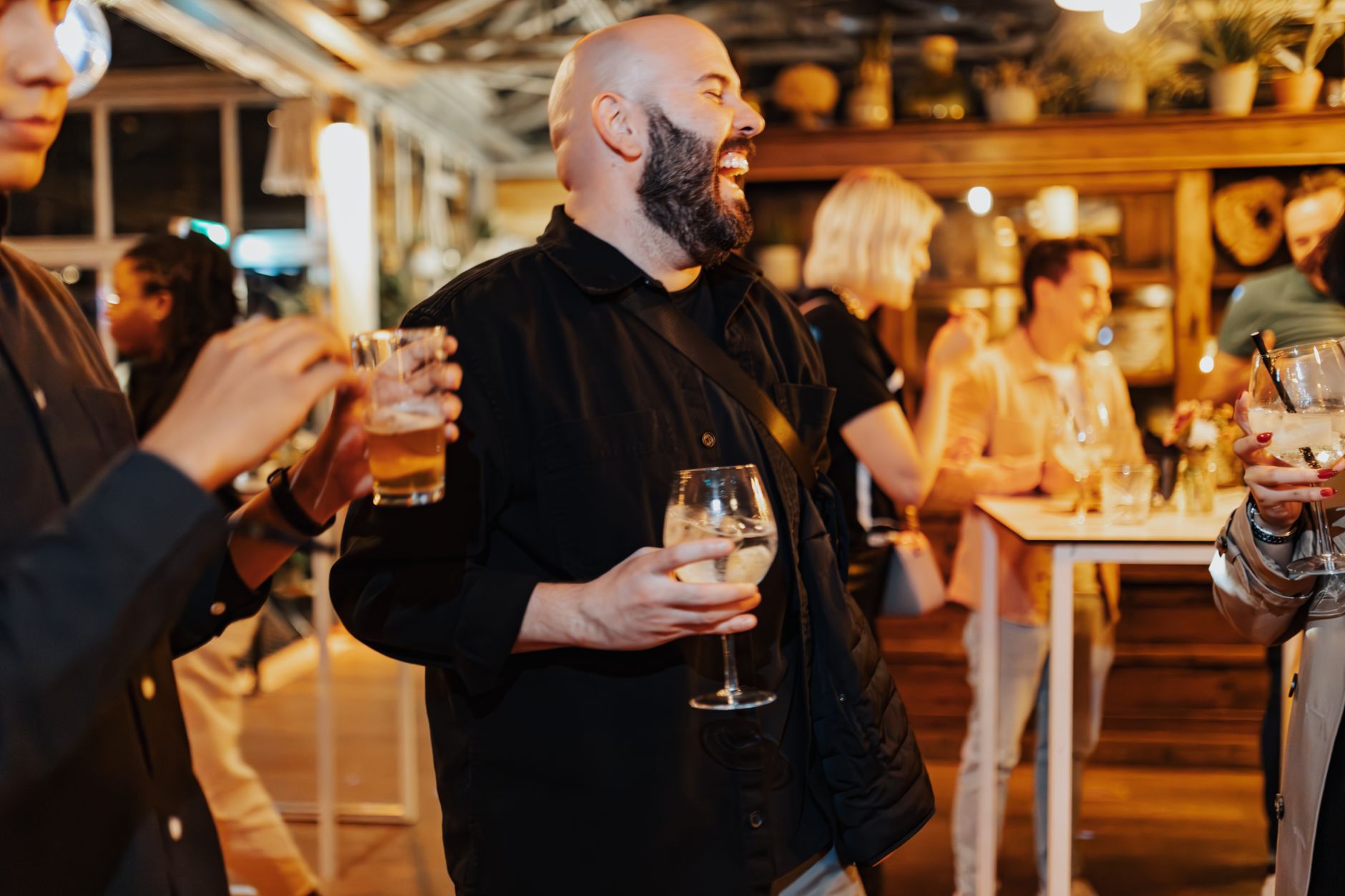
The Old Happy Hour, Quietly Changed
Somewhere between the wellness boom and the slow decline of "going out to get wasted" as a cultural default, a new kind of evening started showing up on calendars: the zero-proof social hour. It looks a lot like the old happy hour — same friends, same noise level, same appetizer plate in the middle of the table — but the drinks have quietly changed character.
Bartenders were early to notice. Menus that once had a single "mocktail" tucked at the bottom, almost as an afterthought, now often give non-alcoholic drinks their own section, sometimes their own pricing tier, sometimes their own signature glassware. Home hosts have followed the same trajectory. A friend hosting a low-key Friday no longer feels obligated to stock a full liquor cabinet; instead they might set out sparkling waters, fresh juices, herbal syrups, and a couple of specialty add-ins, including cannabis drink mixers for anyone who wants a bit more than fizz without reaching for wine.
Separating "Unwind" From "Be Sharp Tomorrow"
Part of what's driving this is timing. People increasingly separate their "unwind" moments from their "be sharp tomorrow" moments, and they don't want one evening to compromise the other. A dinner with old friends on a Wednesday doesn't need to end in a hangover to feel worthwhile. That's a fairly recent cultural permission slip — for a long time, skipping alcohol at a social event required an explanation. Now it barely needs a comment.
The other driver is simpler: people are curious. Novelty has always been part of what makes a gathering memorable, and a table full of unfamiliar syrups, bitters, and mixers gives guests something to talk about besides work and traffic. Watching someone build their own drink — choosing a base, adding a flavor, deciding how strong they want it — turns a passive moment (someone hands you a beer) into an active one (you make a choice, and maybe get some ribbing for it).
Flexibility as Hospitality
This has quietly changed what "hosting well" looks like. It used to mean having the right bottle of scotch on hand for the one friend who cared. Now it often means having options that let six different people build six different drinks without anyone feeling singled out. Flexibility has become a form of hospitality in its own right.
There's a practical side to this too. Non-alcoholic and low-dose options travel well, store easily, and don't require the same commitment as a full bottle of liquor that might sit half-used for months. For people who host semi-regularly but don't drink heavily themselves, that's a real convenience — less waste, less pressure to "use it up," and less guesswork about what to buy for a crowd whose habits you don't fully know.
None of this is really about abstaining from anything. It's about building a version of the social hour that fits how people actually want to feel afterward — present, unhurried, a little lighter — rather than the version that was simply inherited from decades of default habit. The clink of the glass hasn't gone anywhere. What's inside it has just gotten more interesting.