
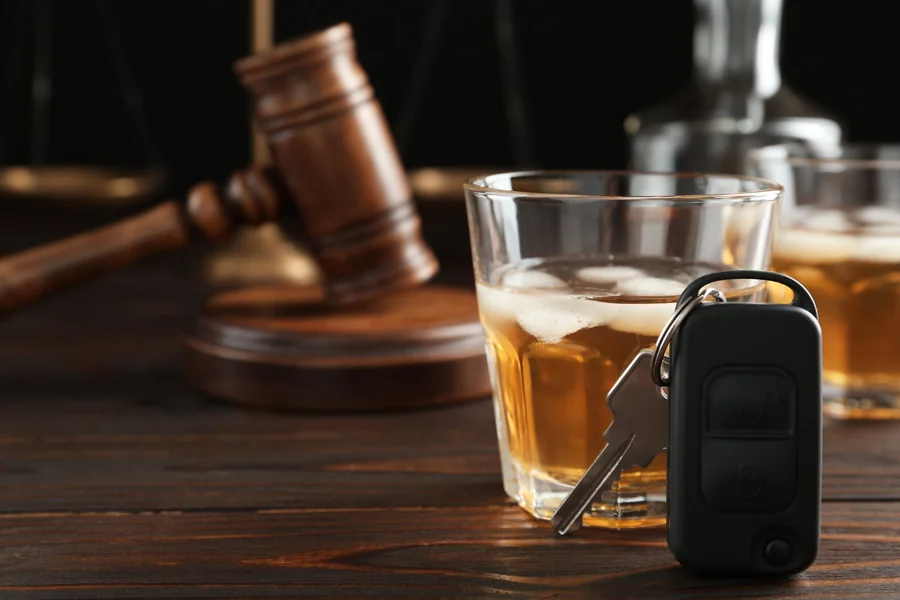
A DUI arrest can leave you feeling terrified, furious, or confused about what to do next. And then after the arrest, one wrong decision can make matters worse. In Washington, DC, DUI is a criminal offense. The law also sets different regulations for impaired driving and driving privileges. So what should you avoid following an arrest? The answer begins with being cool and defending your rights.
Mistake #1: Treating the Arrest as a Guilty Verdict
An arrest doesn’t mean guilt. The police may think they have enough to make an arrest. The case still has to work its way through the court system. The evidence must establish the charge as a matter of law. DC law forbids driving or being in physical control of a vehicle while inebriated or under the influence. That phrase is critical. A DUI charge can be about more than just what happened when the vehicle was in motion. Don’t think the case is over.
Mistake #2: Talking Too Much About What Occurred
People often wish to explain after an arrest. That’s normal. You may want friends, family or police to hear your perspective. Watch out. Anything said after an arrest can be used in the case. Social media posts can also cause complications if they refer to the occurrence. Don’t publish pictures, jokes or comments about your arrest. Don’t fight with witnesses. Don’t try to talk anybody out of their tale. You don’t have to solve the problem in a group chat. Talk to a DC criminal defense lawyer before you make any crucial statements concerning the charge.
Mistake No. 3: Ignoring the Court Date
You don’t throw a court notice in a desk drawer. Read your file carefully. Write down the date and place of your court date. Follow all release conditions given to you. Missing court can create new legal problems. It can also make an already stressful matter even more difficult to handle. If your schedule conflicts, don’t wait until the last minute. Ask your lawyer what options you have . A mere date on a piece of paper can signify a lot.
Mistake #4: DMV Amnesia
Many drivers are taken aback by this mistake. A DUI case involves both criminal court AND DC DMV issues. Those are different processes. The DC DMV has guidelines for driving violations connected to drugs and alcohol. Under the current IID program, DC credential holders convicted of covered offenses or administratively accountable must participate in the Ignition Interlock Device Program. An ignition interlock device requires a motorist to blow into the device before the vehicle may be started. It can also log test results and other activities. Think beyond your criminal court date. Read all the DMV notices too.
Mistake #5: Thinking that refusing a test makes the case go away
Some drivers believe that if they refuse a chemical test, that is the end of the matter. It doesn’t function like that. The DC DMV has precise rules regarding declining to consent to testing. Under current DMV regulations, holders of DC credentials may be subject to forced IID enrollment for more recent refusal citations. A rejection can have distinct driving problems, too. If you declined to take a test, tell your lawyer exactly what transpired. Do not speculate on the legal effect 4. Details count.
Mistake #6 – Ignoring Your Test Results
A breath, blood or urine result can be vital evidence. D.C. law also has differing requirements for certain alcohol content levels. It also sets out precise punishments for DUI convictions, depending on the test result and other facts. A first DUI offense in DC can result in a $1,000 fine, up to 180 days in jail, or both. Heavy drinking might result in mandatory minimum jail sentences. Does not mean that every person charged with DUI gets those punishments. The charge still has to go through the legal process. The lawyer can look at the test result with the other evidence.
Mistake #7: Assuming a First DUI Is No Big Deal
First time charges still require caution. A first DUI conviction can result in a fine, jail exposure and other legal consequences. DC law imposes sanctions of its own for a first impaired-driving conviction. Your driving record may be important, too. For some drivers, an IID could be part of the journey back to regular driving. DC DMV said its existing IID program applies only to alcohol- and drug-related driving infractions covered by the program. So don’t discount a first arrest. First is not a word for something small.
Mistake #8: Failing to Keep Useful Records
Get down what you recall while the details are still vivid. Mark where the stop occurred. Time it as well as you can. Keep your court papers and DMV notices. Keep all pertinent texts, photographs, receipts and other records. Don’t erase material just because you’re scared of the case. Something your lawyer can decide might help. Sometimes helpful evidence comes from where people don’t look. Useful details may include a phone record, company camera, passenger, or car nearby.
Mistake #9 – Waiting Too Long to Get Legal Help
You don’t have to wait until the day before court. Getting legal help early allows you time to grasp the charge and your choices. A lawyer can check out the stop, police record, testing, video and other evidence. The Capital Criminal & DUI Defense Group protects people accused of crimes in Washington D.C. The firm lists David Benowitz as an accomplished criminal defense attorney in Washington, D.C. The firm further notes that Mr. Benowitz is AV-rated by Martindale-Hubbell and is a member of the National College for DUI Defense. If a case has federal charges, a DC DUI Lawyer may handle the different federal court system and its laws. Depending on the offense and the court , there is a lawyer for it .
What To Do After A DUI Arrest In DC
Learn the basics first. Save your documents. Know your court date. Read ALL DMV Notices. Comply with your release terms. No public posts on the case. Next, find yourself a lawyer who does DUI cases in DC. Don’t worry. No guessing . Don’t make the matter harder by acting before you know what your rights are. A DUI arrest is severe, but the next actions still count. Thoughtful selections can help you navigate the legal process with a better understanding of what’s in store.
FAQs
1. Is a first time DUI a crime in D.C.?
Short Answer: Yep. Criminal sanctions for first DUI convictions .
Detailed answer: Under DC law, a first DUI conviction can result in a $1,000 fine and/or a maximum of 180 days in jail. Minimum jail sentences might be triggered by certain amounts of alcohol and drug discoveries.
2. Will I lose my driving license after a DUI?
Short answer: Yes, your driving rights can be compromised.
Detailed answer: Alcohol and Drug Related Driving Offenses in DC – DMV Rules in Detail Current DMV rules may necessitate participation in the IID program for covered convictions or administrative rulings.
3. Do I have to tell social media about my DUI arrest?
Short answer: No. Don’t talk about the case in public.
Detailed answer: Posts can create unwanted problems in a criminal prosecution. Don’t talk to anyone about the arrest – give facts, images or opinions – without talking to your lawyer first.
4. Can a DC DUI case be stopped by refusing a chemical test?
Short answer: No. A refusal can lead to distinct legal problems and DMV problems.
Detailed Answer: DC DMV has particular guidelines that govern refusal to consent to testing. Some of the more recent refusal citations involving DC credential holders can be subject to IID participation under existing DMV procedures.
5. When should I call a DC DUI lawyer?
Short Answer: Talk to a lawyer as soon as you’re arrested.
Detailed answer: Having an early lawyer offers you time to evaluate the charge, court papers, testing, police reports, and DMV difficulties. It might also enable you to avoid blunders before key deadlines.



1 thought on “Washington, DC DUI Laws: Common Mistakes to Avoid After an Arrest”