
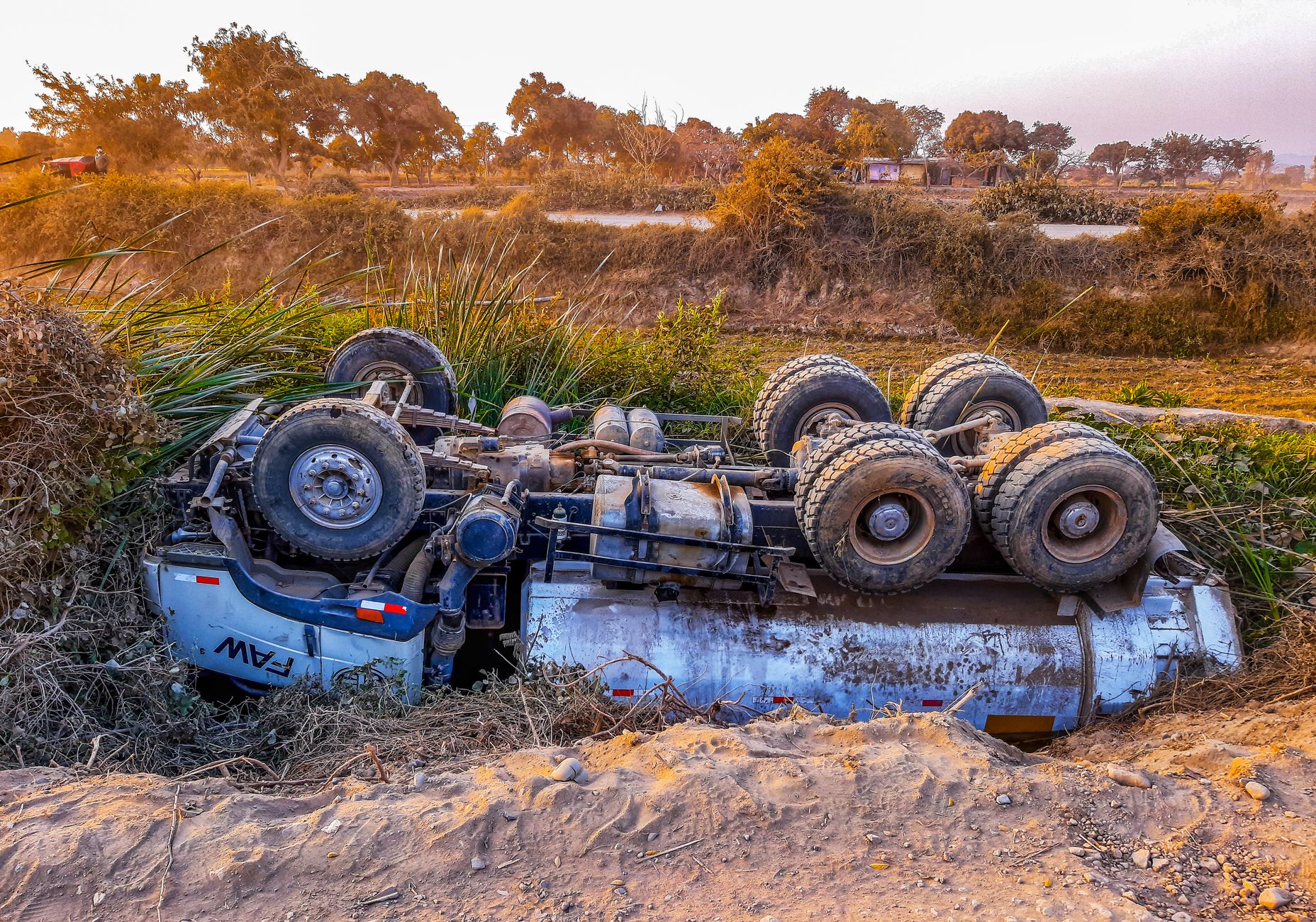
A collision with a big rig can seem considerably different than a regular vehicle catastrophe. The vehicle is heavier, slower to stop and can inflict significant injury. But the largest difference may be after the disaster. Trucking accident cases generally entail more persons, more records and more insurance questions. It’s possible the driver isn’t the only one to blame. The trucking firm, truck owner, cargo loader or maintenance shop may also be involved. If you’ve been injured in Washington, DC, recognizing these differences can help you preserve your rights.
What Makes Truck Accident Claims Different?
Commercial vehicles are a part of a business operation. This indicates that a journey may involve multiple people or companies. A truck driver could work for a large carrier. The truck itself may belong to some other company. The cargo could be loaded by a third party. Repairs might be done at another shop. So who caused the crash? That question can be a tough one to answer. In a normal car crash you might have two drivers. There might be multiple parties and levels of fault in a truck lawsuit. Each side might have their own insurer and legal staff. That’s one reason victims typically require counsel from a DC Truck Accident Lawyer who understands how these cases work.
The Truck Driver Could Be at Fault
Truck drivers have a heavy responsibility to drive safely. One bad choice and it might be a multi-car pile-up. Typical instances are:
- Speeding
- Driving while distracted
- Driving under the influence (DUI)
- Unsafe lane changing
- Close-up
- running a red light
- Too exhausted to drive.
- Blind spots missing
Big vehicles have big blind areas . A driver not checking them could miss a car or bike next to them. Driver mistakes are not always evident at the crash scene. Perhaps a more in-depth review is needed.
And so may the trucking company
Here is where the commercial cases become more tricky. The trucking business could be responsible for the driver’s actions. It may also be at fault for what it does itself. For example, a corporation may have employed a driver with a bad safety record. It might not have trained the driver right. It also could have meant dangerous work hours. A corporation might even disregard recognized concerns with a truck. Those facts can make the difference in the case. The corporation may also have records that are not as easily available to an injured person. These can be driver files, labor logs, inspection records, and company safety documents.
But suppose the truck had a mechanical failure?
Not every truck crash begins with a lousy driver. A brake failure, worn tire, broken light or steering difficulty might potentially cause a wreck. And when that happens, the priority might become vehicle maintenance.
- Who was the owner of the truck?
- Who was to behold it?
- Who took care of repairs?
- Was a known defect overlooked?
These questions can be quite important. The transportation business may be responsible for upkeep. Sometimes the truck owner or the repair shop may share some of the culpability, too.
Cargo Can Be a Problem As Well
Cargo isn’t always as easy as it looks. Heavy goods must be loaded and secured carefully. A bad load can move while the truck moves. That change can impair truck balance or handling. Cargo can potentially come off of a truck and be a hazard for other drivers. If the crash was due to incorrect loading, the party that loaded or secured the cargo could be held liable. This is one of the reasons why oftentimes truck situations need a deeper examination into the entire voyage.
How Do Truck Accidents Lead to Serious Injuries?
The size disparity between a commercial vehicle and a car can be devastating. A person in a small automobile can be seriously injured when struck by a tractor-trailer. Some victims require months of treatment. Some may never return to their old routine. Truck accidents can cause:
- Fractured bones,
- Injuries to the head and brain
- Spinal cord injury
- Burns
- Damage inside
- Nerve injury
- Permanent disability direction
Serious injuries can affect your family and your work life as well. Bills keep piling up and you may miss work. Things that were once easy may require help. That’s an aspect typically missed in the crash claims discussion.
Insurance Can Be More Complex
Insurance coverage for commercial trucks usually is different than for regular autos. A dispute could involve a trucking firm plus several other parties. Each insurer may have their own judgment on who was at fault for the crash. Don’t take the first insurance call as the whole truth. An adjuster may ask for a statement shortly after the collision. They might ask you about your injuries before you realize how bad they are. Watch your mouth. Don’t minimize your pain or theorize about blame.
Evidence It can make or break a claim.
Records and physical evidence are often critical in truck accident claims. Useful evidence might include:
- Police reports
- Pictures of the crash site
- Health records
- Witness Testimonies
- Truck Inspection Log
- service logs
- Driver logs
- Records of cargo
- Footage
- Electronic trucking information
Some evidence may be lost or harder to uncover as time goes on. That’s why it’s so crucial to act early. The lawyer can help uncover relevant records and assess which parties may be liable.
What to Do After a Truck Accident?
The first thing to worry about is safety and medical care. Call 911 if necessary. If you think your discomfort is small, have a medical professional to check you out. Some injuries aren’t apparent for hours or days. Take photos of the vehicles and crash area if possible. Collect witness contact details Save all crash-related documentation, including medical bills and job records. Do not put the specifics of the accident on the internet. And don’t be tempted to settle until you know the extent of your injuries and losses.
How Price Benowitz Accident Injury Lawyers, LLP Can Assist
Truck accident claims can get quite complex very quickly. There could be a number of parties, major insurance companies and a long list of records to evaluate. Price Benowitz Accident Injury Lawyers, LLP serves individuals injured in car accidents in Washington, DC. The organization handles truck, vehicle, motorbike, bicycle, transit and pedestrian accidents. The agency also defends individuals with significant injuries such as burns and spinal cord damage. A legal review can assist you learn who may be liable and what steps make sense next. After a serious crash you shouldn’t have to figure out your claim.
FAQs
1. What is the difference between a truck accident claim and a vehicle accident claim in Washington, DC?
Truck cases tend to include more participants, records and insurance plans. It might be a trucking company, a truck owner, a driver, a loader of cargo or a repairer .
2. Am I able to bring a lawsuit against the trucking company?
Sure, a trucking firm might be liable when its driver causes an accident while on the job. The corporation might potentially face separate accusations of improper hiring, training, oversight or truck maintenance.
3. Was the crash caused by a malfunctioning item on the truck?
A claim also can arise from a defective or badly maintained part. The responsibility could be with the owner of the truck, a maintenance provider, a repair shop or any other entity.
4. What kinds of damages might I recover from a truck accident?
Depending on the facts, you may be able to recover for medical care, lost earnings, property damage, discomfort and other losses resulting from the crash. Serious injuries can also bring future costs to consider.
5. When Should You Call a Truck Accident Lawyer?
It’s smart to meet with a lawyer quickly after the crash. Getting legal advice early might provide you a clearer picture of possible fault, proof, insurance concerns and your choices.